
The Reinvention of Greyhound USA: How Flix SE is Transforming America's Iconic Intercity Bus Network in 2026
From its 1914 origins in Minnesota to its 2026 evolution under Flix SE, Greyhound USA is shifting from traditional terminals to a tech-driven, sustainable transit model.

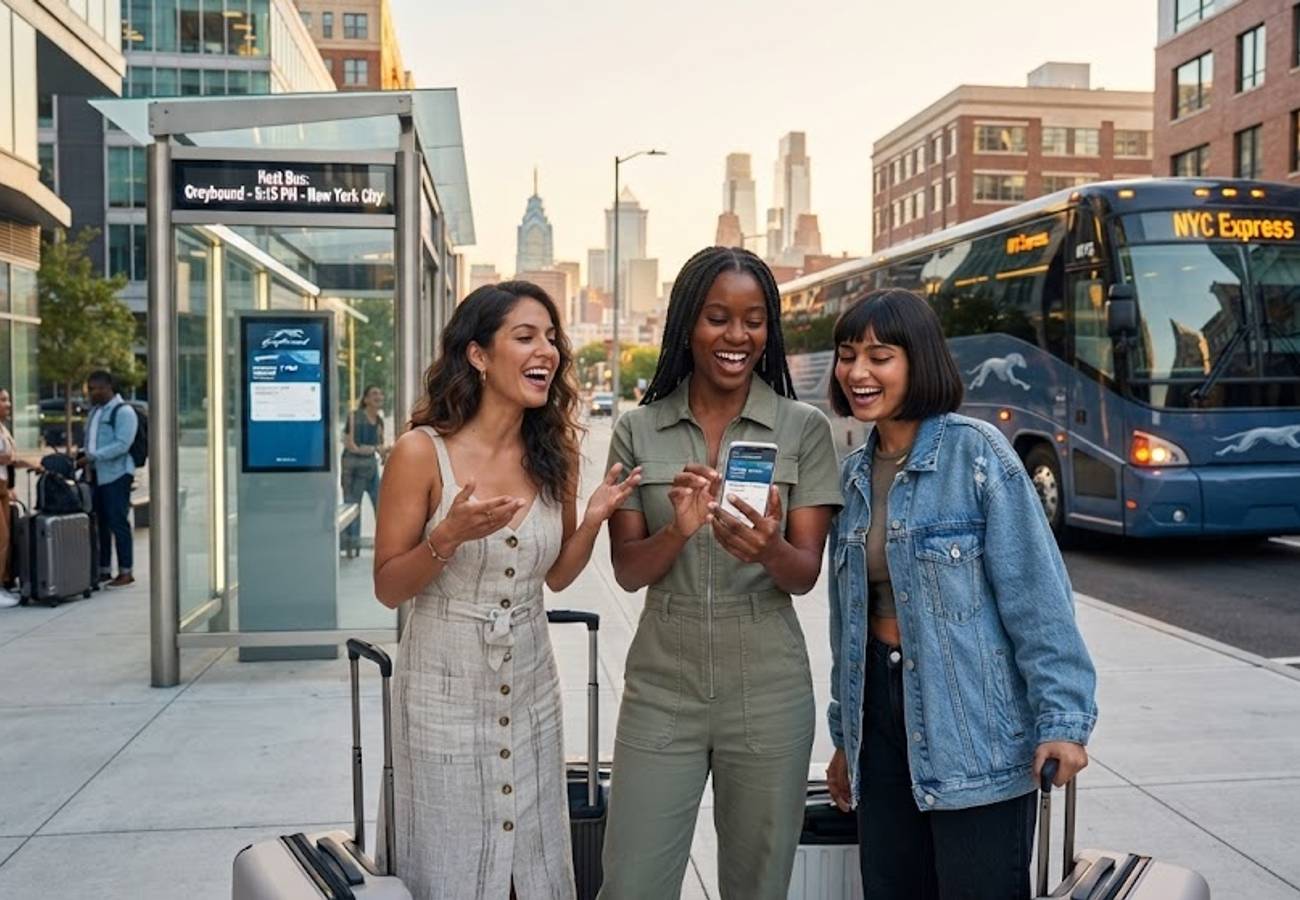
Image generated by AI
The legendary running dog logo is undergoing a digital and operational metamorphosis as Greyhound transitions from a legacy carrier to a streamlined, tech-forward network under European ownership.
The Local Trend Revealed: From Terminals to Tech
For over a century, Greyhound served as the primary artery of American mobility, connecting the most remote rural towns to the largest metropolitan hubs. However, the era of the massive, architecturally significant downtown terminal is fading. Under the ownership of Germany’s Flix SE (the parent company of FlixBus), Greyhound is pivoting toward a "platform-based" model.
This shift replaces aging, high-overhead stations with strategic curbside pick-up points and digitized ticketing systems. The focus has moved from owning massive real estate to optimizing route efficiency and passenger experience through mobile integration. This reinvention is not merely a corporate restructuring but a response to the modern traveler's demand for agility, lower costs, and seamless booking.
Cultural & Environmental Value
Greyhound’s history is inextricably linked to the American identity. From transporting iron miners in 1914 Minnesota to becoming a focal point of the 1961 Freedom Rides—where activists challenged segregation in the South—the bus has been a tool for social change and economic opportunity.
In 2026, the value proposition has shifted toward sustainability and community accessibility. By optimizing routes and integrating with the Flix SE global ecosystem, Greyhound is reducing the carbon footprint per passenger compared to single-occupancy vehicle travel. The current model prioritizes:
- Eco-Efficiency: Leveraging modern fleet management to reduce empty-seat miles.
- Economic Inclusion: Maintaining affordable transit for populations without access to private automobiles or expensive air travel.
- Regional Connectivity: Bridging the gap between the high-speed Northeast Corridor (dominated by Amtrak) and the vast, underserved stretches of the Midwest and West.
Visitor Insider Tips: Navigating the New Greyhound
Traveling via Greyhound in 2026 requires a different approach than the "walk-in" experience of the 20th century.
- The "Curbside" Shift: Many cities no longer have traditional terminals. Always check your mobile app for the exact GPS coordinates of your pick-up point, as some "stations" are now designated street corners or parking lot bays.
- Booking Windows: To secure the lowest fares, book at least 14 to 21 days in advance. The Flix-integrated pricing model fluctuates based on real-time demand.
- Onboard Essentials: While modern coaches offer free Wi-Fi and power outlets, signal strength varies wildly across rural stretches. Download offline maps and entertainment before departing.
- Cultural Etiquette: Be mindful of the diverse passenger demographic. Greyhound remains a vital link for migrant workers, students, and budget travelers; patience with boarding delays in high-traffic hubs like New York or Los Angeles is key.
Tourism Outlook: The Future of the Open Road
The trajectory of Greyhound reflects the broader evolution of US transport. After the 1956 Federal-Aid Highway Act sparked an automobile revolution and the 1978 Airline Deregulation Act lowered airfares, the bus was seen as a relic. However, the 2026 landscape shows a resurgence in "slow travel" and budget-conscious exploration.
The long-term impact of the Flix SE acquisition is a leaner, more scalable operation. By stripping away the financial burden of historic real estate and focusing on digital distribution, Greyhound is positioning itself not as a competitor to airlines or Amtrak, but as the essential "last-mile" and "long-haul" budget solution. As urban congestion increases and environmental consciousness grows, the streamlined intercity bus is poised to reclaim its role as the backbone of affordable American exploration.
The running dog is no longer just a symbol of the past, but a blueprint for the future of accessible transit.
Related Travel Guides
Disclaimer
This article is for informational and educational purposes only. It does not constitute legal, financial, or professional advice. While we strive to provide accurate and up-to-date information, travel policies, regulations, and conditions change rapidly. Always verify information with official sources before making travel decisions. Nomad Lawyer makes no representations about the accuracy, reliability, completeness, or suitability of the information provided. Readers should consult qualified professionals for advice specific to their circumstances. The views expressed in this article are those of the author and do not necessarily reflect the views of Nomad Lawyer.
Kunal K Choudhary
Co-Founder & Contributor
A passionate traveller and tech enthusiast. Kunal contributes to the vision and growth of Nomad Lawyer, bringing fresh perspectives and driving the community forward.
Learn more about our team →