
redBus Reports Million Passengers: India's Intercity Surge Hits 24%
India's intercity bus sector carried 147 million passengers in six months, marking robust 24% year-on-year growth. Digital adoption and premium services drive the surge across regional hubs.

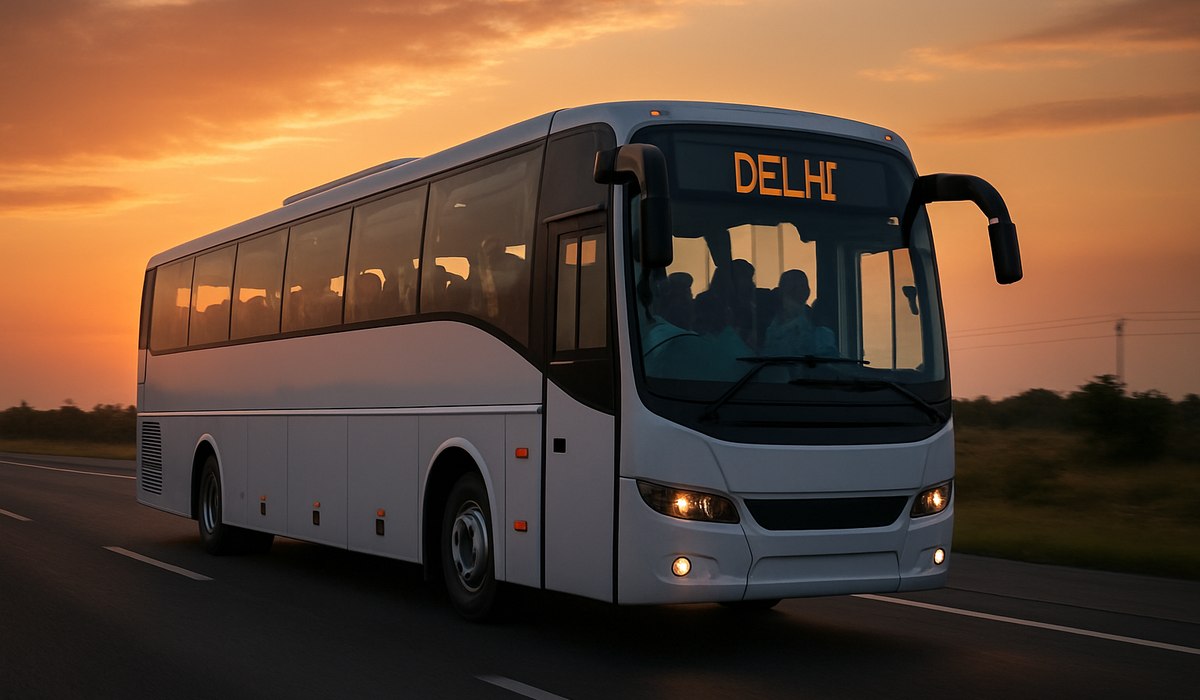
Image generated by AI
India's Intercity Bus Sector Surges Past 147 Million Passengers in Six Months
RedBus data reveals that India's intercity bus industry transported 147.19 million passengers between October 2025 and March 2026, delivering a commanding 24% year-on-year growth rate. This milestone underscores the sector's resilience and expanding appeal among Indian travelers seeking affordable, long-distance mobility solutions. The surge reflects shifting consumer preferences toward digital booking platforms, premium comfort options, and regional expansion into emerging travel corridors across southern India's fastest-growing states.
Record Passenger Growth Signals Strong Recovery
The intercity bus sector's 24% expansion marks one of the strongest performance periods since the pandemic recovery began. Travel analysts attribute this momentum to multiple converging factors: rising disposable incomes in tier-2 and tier-3 cities, improved highway infrastructure connecting smaller towns, and competitive pricing strategies that undercut both railways and budget airlines.
Regional distribution shows uneven growth patterns. Southern states, particularly Andhra Pradesh and Telangana, recorded outsized passenger increases compared to northern corridors. This geographic shift reflects broader migration patterns and economic development concentrating along technology hubs and manufacturing centers. Operators reported peak demand during weekend and holiday periods, with bookings extending 2-3 weeks ahead for premium services.
Digital Adoption Drives Bookings in Smaller Towns
Small and medium-sized towns are experiencing explosive growth in online bus ticket purchases. Mobile penetration and affordable data plans have converted previously offline markets into digital-first booking channels. RedBus data indicates that digital transactions now account for over 70% of total intercity bus bookings, compared to 55% five years ago.
Towns with populations between 50,000 and 500,000 are driving this transformation. Younger travelers, first-time long-distance commuters, and business professionals prefer app-based booking for its transparency, seat selection, and real-time tracking capabilities. Payment flexibility through digital wallets and installment options has further accelerated adoption among budget-conscious passengers. Operators investing in mobile-first platforms and local language interfaces are capturing disproportionate market share in regional markets.
Premium Services Lead Long-Distance Demand
AC and sleeper bus services continue dominating the premium segment of India's intercity travel market. These high-comfort categories command 35-40% of total passengers despite representing only 20-25% of fleet capacity. Operators report occupancy rates exceeding 85% for sleeper services on major routes like Bangalore-Hyderabad, Chennai-Bangalore, and Hyderabad-Vijayawada.
Travelers increasingly view premium intercity buses as viable alternatives to air travel for routes under 400 kilometers. Travel time comparable to flights when accounting for airport procedures, combined with door-to-door convenience and significantly lower fares, positions sleeper and AC coaches as the fastest-growing segment. Premium services command fares 30-50% higher than standard buses but deliver superior amenities: wider reclining seats, USB charging, onboard refreshments, and WiFi connectivity.
Regional Expansion in Andhra Pradesh and Telangana
Andhra Pradesh and Telangana emerged as the highest-growth regions in the January-March 2026 quarter. These states recorded passenger volumes exceeding 28 million combined, representing 19% of national intercity bus traffic. Economic development, tech industry concentration in Hyderabad, and agricultural prosperity in coastal Andhra Pradesh are driving demand.
New intercity corridors connecting secondary cities like Vijayawada, Visakhapatnam, and Warangal to major metros are opening opportunities for operator expansion. State government investments in road infrastructure have reduced travel times by 15-20% on key routes. Industry projections suggest these two states will account for over 22% of national intercity passenger growth by 2027.
Travel Industry Implications and Market Outlook
The intercity bus sector's strong growth outpaces both rail and airline expansion in comparable market segments. This shift reflects India's evolving transportation preferences and demographic patterns favoring affordability and flexibility. For nomadic professionals, digital workers, and frequent inter-city travelers, the expanding service network and improved amenities create competitive advantages against traditional transportation modes.
Industry forecasts predict the intercity bus sector will transport over 320 million passengers annually by 2028, effectively doubling current volumes within three years. Consolidation among operators continues, with larger platforms integrating advanced booking technology, dynamic pricing, and integrated mobility solutions combining buses with ride-sharing and hotel bookings.
Key Passenger Data and Growth Metrics
| Metric | Value | Time Period | Growth Rate |
|---|---|---|---|
| Total Passengers | 147.19 million | Oct 2025 - Mar 2026 | 24% YoY |
| Digital Bookings | 70%+ | Current | +15% annually |
| Sleeper Bus Share | 35-40% | Current | +8% annually |
| AC Bus Occupancy | 85%+ | Peak periods | +12% annually |
| Premium Service Fares | 30-50% higher | vs. standard | Growth stable |
| Andhra Pradesh & Telangana | 28 million | Oct 2025 - Mar 2026 | 31% combined |
What This Means for Travelers
India's intercity bus renaissance creates tangible benefits for frequent long-distance commuters and travel enthusiasts:
-
Expanded Route Options: New corridors connecting tier-2 cities mean more direct bookings without transfers, saving time and reducing hassle for business travelers and weekend explorers.
-
Competitive Pricing Advantages: Sustained operator competition keeps fares stable while improving service quality, stretching travel budgets further than flights for distances under 500 kilometers.
-
Enhanced Digital Convenience: Mobile-first booking platforms now offer real-time seat selection, GPS tracking, and cancellation flexibility, matching airline booking standards with superior affordability.
-
Premium Comfort Accessibility: Sleeper and AC bus improvements—reclining seats, WiFi, charging ports—transform overnight journeys into productive travel time for remote workers and digital nomads.
-
Regional Exploration Ease: Improved Andhra Pradesh and Telangana connectivity encourages multi-city itineraries linking Hyderabad, Bangalore, Chennai, and coastal destinations in single trips.
Frequently Asked Questions
What makes the 24% passenger growth significant for regular travelers?
This growth indicates sustainable operator investment in new routes, modern fleets, and technology improvements. For travelers, it means more departure options, better schedules, and competitive fares as operators compete for expanding demand rather than fighting over stagnant markets.
Are digital bookings really safer than counter purchases?
Yes. Digital platforms provide instant confirmation, GPS tracking, verified operator ratings, and digital payment records creating accountability. Consumers can research operator safety records, read passenger reviews, and access customer support instantly—advantages unavailable with counter-based bookings.
Which intercity routes offer the best value for money?
Andhra Pradesh and Telangana corridors—particularly Hyderabad-Vijayawada, Hyderabad-Bangalore, and Bangalore-Chennai—offer competitive fares with excellent frequency and modern fleet quality. Secondary city routes like Warangal-Hyderabad and Visakhapatnam-Vijayawada provide emerging opportunities with premium services at lower prices.
How do intercity buses compare to train travel for distances under 500km?
Buses typically offer superior convenience with door-to-door service, more departure times, lower fares, and comparable travel duration when accounting for station-to-destination transfers. Premium sleeper buses now rival train comfort while costing 40-50% less.
Related Travel Guides
Disclaimer
This article is for informational and educational purposes only. It does not constitute legal, financial, or professional advice. While we strive to provide accurate and up-to-date information, travel policies, regulations, and conditions change rapidly. Always verify information with official sources before making travel decisions. Nomad Lawyer makes no representations about the accuracy, reliability, completeness, or suitability of the information provided. Readers should consult qualified professionals for advice specific to their circumstances. The views expressed in this article are those of the author and do not necessarily reflect the views of Nomad Lawyer.
Raushan Kumar
Founder & Lead Developer
Full-stack developer with 11+ years of experience and a passionate traveller. Raushan built Nomad Lawyer from the ground up with a vision to create the best travel and law experience on the web.
Learn more about our team →