
Greece Tourism Crisis 2026: Thousands Evacuate Crete and Athens Amid Severe Wildfires
Mass evacuations in Crete and Athens underscore a critical challenge for Greece's 2026 tourism season as extreme weather drives uncontrollable wildfires across key Mediterranean travel hubs.

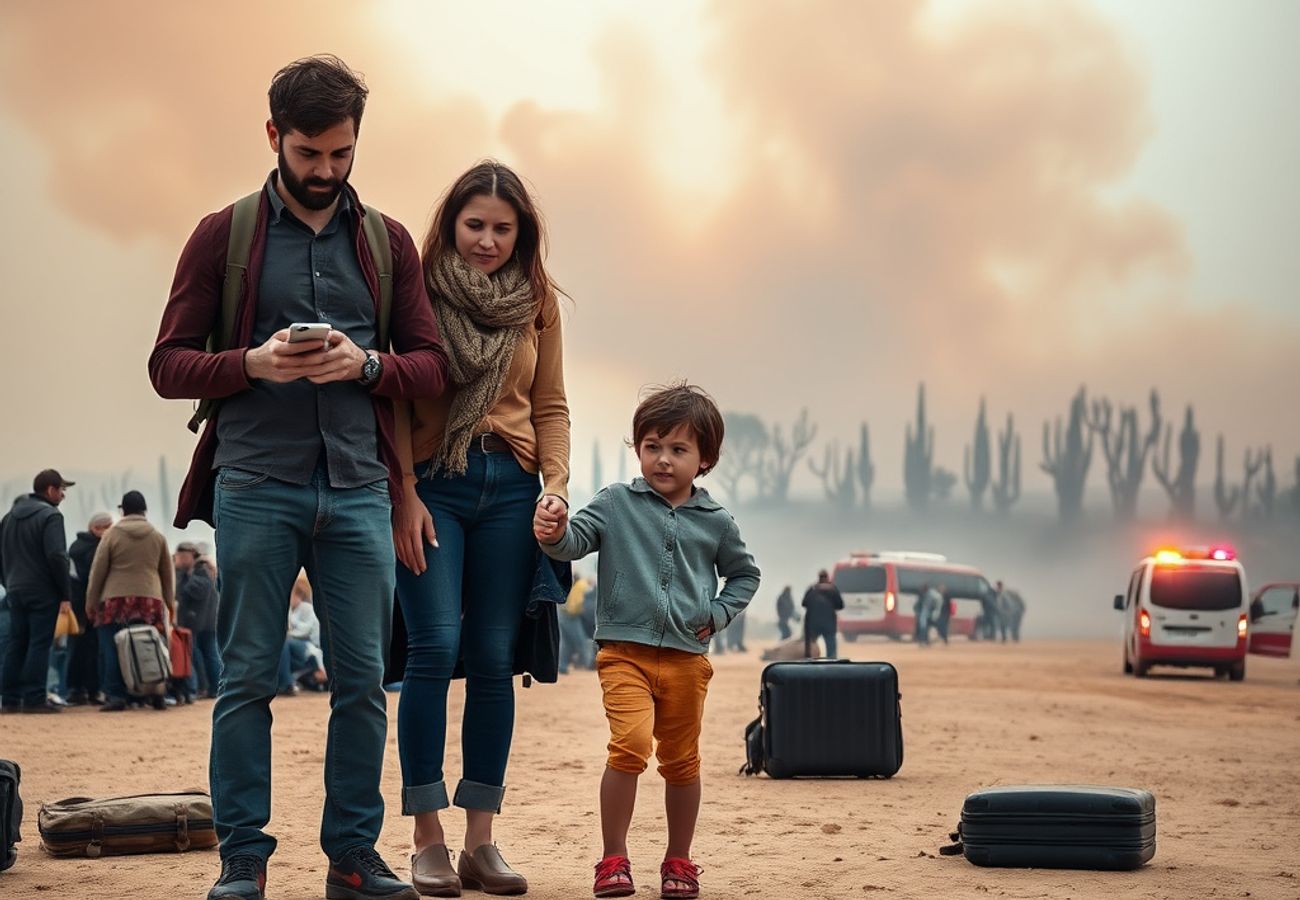
Image generated by AI
Greece is currently grappling with a severe wildfire crisis that threatens the stability of its peak summer tourism season. Forced evacuations of thousands of residents and visitors from Crete and the outskirts of Athens have placed the nation's status as a premier European destination under immense pressure.
The rapid escalation of these blazes is the result of a volatile combination of extreme heat, low humidity, and high-velocity winds. These conditions have created a scenario where flames spread faster than containment teams can react, leading to temporary closures of coastal suburbs and key tourist hubs.
Crisis in Crete: Mass Evacuations of Tourists and Locals
Crete, the largest of the Greek islands and a cornerstone of the national tourism economy, has become a primary flashpoint. The island's dry landscapes have allowed fires to move with lethal speed, necessitating large-scale emergency relocations.
Approximately 8,000 people have been evacuated from threatened zones across Crete. This figure includes roughly 2,000 tourists who were forced to flee hotels, vacation rentals, and coastal resorts. While emergency services have focused on relocating visitors to safe shelters, the disruption has ripple effects for those visiting major hubs such as:
- Heraklion
- Chania
- Rethymno
- Agios Nikolaos
The economic stakes are high, as these coastal communities rely almost exclusively on the summer influx of international travelers. Authorities are currently attempting to isolate affected zones to ensure that the remainder of the island's tourism infrastructure can continue to operate.
Athens Under Threat: Urban Interface Fires
The emergency has extended to the Attica region, bringing the threat of wildfire to the doorstep of the Greek capital. The proximity of these fires to densely populated urban areas and critical infrastructure has heightened the urgency of the response.
In the coastal area of Porto Germeno, west of Athens, strong winds pushed flames through residential and tourist zones. This forced immediate evacuation orders for Porto Germeno, Psatha, and Mytikas. In some instances, land routes became impassable, requiring emergency teams to evacuate residents and visitors via the sea.
Further inland, Mount Poikilo on the western outskirts of Athens also faced significant blazes. The risk to public health was so acute that authorities were forced to relocate patients from a local healthcare facility to ensure their safety.
Operational Challenges and Firefighting Response
The primary adversary for Greek emergency services has been the unpredictability of wind shifts. In the current climate, fire behavior can change in minutes, allowing flames to leap across roads and forests, rendering previous containment lines obsolete.
To combat the crisis, the Greek government has deployed a massive resource network, including:
- Thousands of specialized firefighters and civil protection personnel.
- A fleet of water-dropping aircraft and firefighting helicopters.
- Heavy-duty fire engines and specialist wildfire units.
Despite these efforts, high winds have periodically grounded aerial assets, shifting the entire burden of containment onto ground crews.
Impact on the 2026 Summer Travel Sector
While Greece’s broader aviation and maritime networks—including major airports and ferry lines—remain operational, the localized impact on the travel experience is significant. Travelers in affected regions are facing a volatile environment where plans can change instantly.
Summary of Travel Disruptions
| Travel Impact | Specific Details |
|---|---|
| Accommodation | Forced relocations for guests in high-risk wildfire zones |
| Road Access | Temporary closures of highways and local roads near active fires |
| Activities | Cancellation of outdoor excursions and tours in affected regions |
| Logistics | Transport delays caused by emergency vehicle priority and road blocks |
| Compliance | Mandatory adherence to official civil protection evacuation orders |
A Broader Mediterranean Trend
The situation in Greece is not an isolated event but part of a wider pattern of climate-driven volatility across Southern Europe. Similar extreme heat and wind conditions have triggered major fire incidents in Spain and France, raising systemic concerns about the long-term viability of traditional "peak summer" tourism in the Mediterranean.
For travelers, the priority is now real-time monitoring. Greek authorities urge all visitors to rely exclusively on official emergency announcements and to strictly avoid restricted zones to prevent further hindering firefighting operations.
The intersection of extreme weather and mass tourism continues to test the resilience of Mediterranean infrastructure.
Related Travel Guides
Disclaimer
This article is for informational and educational purposes only. It does not constitute legal, financial, or professional advice. While we strive to provide accurate and up-to-date information, travel policies, regulations, and conditions change rapidly. Always verify information with official sources before making travel decisions. Nomad Lawyer makes no representations about the accuracy, reliability, completeness, or suitability of the information provided. Readers should consult qualified professionals for advice specific to their circumstances. The views expressed in this article are those of the author and do not necessarily reflect the views of Nomad Lawyer.
Raushan Kumar
Founder & Lead Developer
Full-stack developer with 11+ years of experience and a passionate traveller. Raushan built Nomad Lawyer from the ground up with a vision to create the best travel and law experience on the web.
Learn more about our team →