
Grand Cayman Beyond the Superyachts: Insider Guide to Seven Mile Beach, Coral Conservation, and Island Gastronomy
Grand Cayman records a 9.2% rise in stayover arrivals as autumn brings Restaurant Month, invasive lionfish culinary conservation, and uncrowded Seven Mile Beach waters.

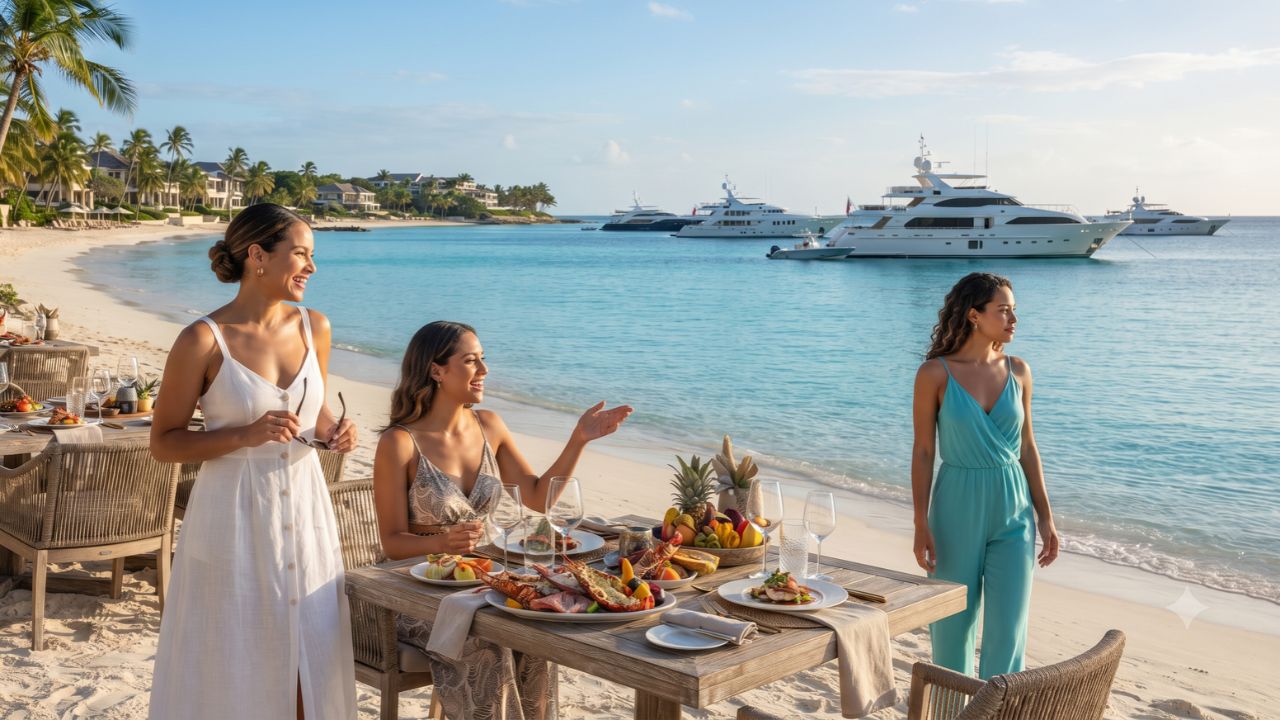
Official tourism metrics show that Grand Cayman welcomed 27,445 stayover visitors in August 2026—a 9.2% year-on-year increase—following July's 45,053 arrivals and a 66.7% hotel occupancy rate, proving that autumn shoulder season has become the island's most rewarding window for crowd-free diving and world-class dining. While winter crowds flood Seven Mile Beach from December through April, autumn travelers experience the Caribbean's culinary capital at a relaxed pace, coinciding with the official Cayman Restaurant Month running from 1 October to 1 November 2026.
Seven Mile Beach Evolution and Marine Sanctuary Management
Grand Cayman's western shoreline along Seven Mile Beach remains the heart of the territory's luxury hospitality sector, anchored by premier oceanfront properties including the Kimpton Seafire Resort + Spa and The Ritz-Carlton, Grand Cayman. The crescent-shaped coral-sand coastline provides direct walk-in access to shallow snorkeling reefs, paddleboarding, and private catamaran moorings.
Beneath the clear turquoise surface, Grand Cayman's marine environment is strictly regulated by the Cayman Islands Department of Environment. Marine conservation laws protect 365 distinct dive sites across the three islands, ranging from deep vertical drop-offs along the Cayman Wall to the historic wreck of the USS Kittiwake. Sunk intentionally in 2011 off the coast of West Bay, the 251-foot former submarine rescue vessel rests in 60 feet of water, creating an artificial reef that shelters schools of horse-eye jacks, barracudas, and juvenile reef sharks.
Further north in the shallow sand flats of the North Sound, Stingray City provides a unique encounter where wild southern stingrays glide through waist-deep water. Licensed operators adhere to strict wildlife handling protocols, prohibiting gloves, limiting feeding portions, and restricting boat engine speeds inside protected wildlife interaction zones.
Gastronomic Identity: Lionfish Conservation and Island Traditions
Widely celebrated across the region as the culinary capital of the Caribbean, Grand Cayman combines traditional maritime fare with progressive marine stewardship initiatives supported by the Visit Cayman Islands tourism board:
- Invasive Lionfish Culinary Culling: Lionfish, an invasive predatory species without natural predators in Atlantic waters, poses a serious threat to native coral reef biodiversity by devouring juvenile parrotfish and cleaner shrimp. Local divemasters conduct licensed culling expeditions, supplying island chefs who transform the mild, buttery white fish into gourmet ceviche, pan-seared fillets with Scotch bonnet mango reduction, and crispy fish tacos.
- Traditional Caymanian Seafood Protocols: Native queen conch and spiny lobster are staples of island culture, served in coconut milk chowders and pepperpot stews. Harvests are governed by strict seasonal quotas and closed seasons to safeguard breeding populations in surrounding sound lagoons.
- Historic Terroir of the Sister Islands: Beyond the commercial center of George Town, travelers can explore historic inland estates and nature reserves preserved by the National Trust for the Cayman Islands, including the century-old Mastic Trail ancient dry forest and the Queen Elizabeth II Botanic Park, home to the endangered native Grand Cayman blue iguana.
Grand Cayman Tourism Performance and Travel Logistics
| Feature / Metric | Official Government Statistic / Standard | Traveler Practical Impact |
|---|---|---|
| July 2026 Stayover Visitors | 45,053 Visitors (+10.0% YoY) | Robust summer demand with high resort occupancy |
| July 2026 Hotel Occupancy | 66.7% Average Occupancy Rate | Strong mid-year hospitality performance |
| August 2026 Stayover Visitors | 27,445 Visitors (+9.2% YoY) | Transition to tranquil autumn shoulder season |
| Cayman Restaurant Month | 1 October to 1 November 2026 | Fixed-price multi-course tasting menus island-wide |
| Primary Aviation Gateway | Owen Roberts International (GCM) | Direct flights from Miami, Charlotte, London Heathrow |
| Local Currency Peg | Cayman Islands Dollar (1.00 KYD = 1.20 USD) | US Dollars accepted universally with KYD change |
| Wreck Diving Highlight | USS Kittiwake (5-Deck Sub Rescue Ship) | 60-foot depth suitable for divers & snorkelers |
| Conservation Focus | Invasive Lionfish Culling & Conch Quotas | Eco-conscious dining supporting reef balance |
Visitor Insider Tips
- Navigating North Sound Charters Before Midday: Stingray City sandbar and Starfish Point attract commercial tour boats between 10:30 AM and 1:30 PM. Book a private charter departing the Cayman Islands Yacht Club or Safehaven Marina at 7:30 AM. You will have the sandbar entirely to yourself with clear water visibility and morning sunlight for underwater photography.
- Exploring West Bay and Rum Point Shorelines: Skip the resort-dense center of Seven Mile Beach for swimming and snorkeling. Drive ten minutes north to Cemetery Beach in West Bay, where healthy shallow reef patches lie just 30 yards from the sand. For tranquil sunset dining, take the Cayman Ferries water taxi from Camana Bay across the North Sound directly to Kaibo and Rum Point.
- Managing Currency and Dining Surcharges: While US Dollars are accepted across all supermarkets, restaurants, and taxi stands, change is almost always returned in Cayman Islands Dollars (KYD). Note that restaurant bills automatically include a 15% to 18% service gratuity in the total amount; check your itemized receipt before adding discretionary tips.
- Shoulder Season Weather Readiness: September and October fall within the Atlantic tropical season. While ocean water temperatures are warm (28–29 degrees Celsius), plan boat charters for morning hours and choose accommodations that provide flexible hurricane-season cancellation or rebooking guarantees.
Cultural and Environmental Context
Grand Cayman's economic model balances a multi-billion-dollar global financial services sector with high-end luxury tourism. Unlike destinations reliant on mass all-inclusive enclaves, the Cayman Islands encourage visitors to patronize independent local establishments, supporting Caymanian-owned tour companies, family boat charters, and farm-to-table culinary growers in East End.
Environmental sustainability focuses intensely on coastal mangrove preservation and sea turtle nesting programs. The Department of Environment enforces strict beach lighting guidelines along Seven Mile Beach during turtle nesting season (May through November) to ensure hatchlings navigate toward ocean moonlight rather than artificial resort fixtures.
FAQ: Visiting Grand Cayman in 2026
What is the best month to visit Grand Cayman for fewer crowds and lower hotel rates?
October and November offer an ideal balance, featuring warm ocean waters, lower accommodation rates, and the annual Cayman Restaurant Month before winter peak season arrives.
How do I get from Owen Roberts International Airport to Seven Mile Beach?
Licensed airport taxis operate on fixed government zone rates, reaching Seven Mile Beach hotels in 15 to 20 minutes for approximately $25 to $35 USD.
What currency should I bring to Grand Cayman?
US Dollars are accepted everywhere. However, because the Cayman Islands Dollar is pegged at 1.00 KYD = 1.20 USD, prices in restaurants and shops are frequently listed in KYD.
Is scuba diving suitable for beginners on Grand Cayman?
Yes. Grand Cayman offers calm, current-free waters and exceptional visibility exceeding 100 feet, with shallow reef sites and wreck dives like the USS Kittiwake accessible to novice open-water divers.
Crystal-clear coral drop-offs, sustainable culinary innovation, and unhurried beach walks prove that Grand Cayman's authentic charm shines brightest beneath the surface.
Related Travel Guides
- Grand Cayman Diving Manual: USS Kittiwake, Cayman Wall, and Shore Diving Sites
- Seven Mile Beach Culinary Itinerary: Top Farm-to-Table and Lionfish Dining Spots
- North Sound Boat Charter Guide: Stingray City, Starfish Point, and Rum Point
- Little Cayman and Cayman Brac: The Ultimate Sister Islands Eco-Escape
Disclaimer
This article is for informational and educational purposes only. It does not constitute legal, financial, or professional advice. While we strive to provide accurate and up-to-date information, travel policies, regulations, and conditions change rapidly. Always verify information with official sources before making travel decisions. Nomad Lawyer makes no representations about the accuracy, reliability, completeness, or suitability of the information provided. Readers should consult qualified professionals for advice specific to their circumstances. The views expressed in this article are those of the author and do not necessarily reflect the views of Nomad Lawyer.
Raushan Kumar
Founder & Lead Developer
Full-stack developer with 11+ years of experience and a passionate traveller. Raushan built Nomad Lawyer from the ground up with a vision to create the best travel and law experience on the web.
Learn more about our team →