
Mediterranean Eco-Tourism Guide 2026: Medes Islands Diving, the Lycian Way, and Coastal Nature Reserves
From strictly regulated marine diving in Spain's Medes Islands to spring trekking along Türkiye's Lycian Way, Mediterranean destinations are pivoting toward sustainable nature travel.

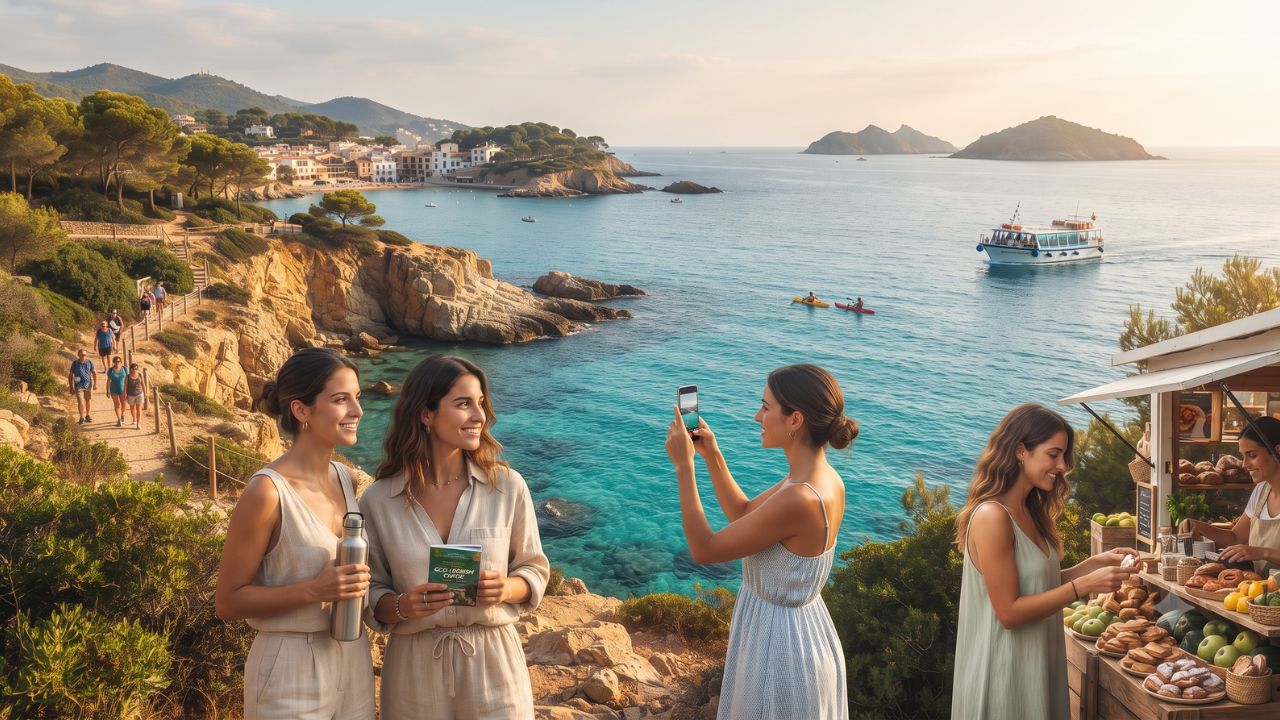
Rather than packing tens of thousands of day-trippers onto sun loungers, France's Calanques National Park instituted mandatory free reservation caps at Sugiton cove during summer 2026 to halt coastal soil erosion, while Spain's Medes Islands marine reserve strictly limits daily boat licenses to safeguard Mediterranean biodiversity. Across Southern Europe and the Aegean, destinations are moving away from high-density resort models to champion immersive, community-centered nature tourism that rewards travelers who stay longer and spend locally.
The shift was a central topic at the MEDA City Forum in Cagliari, Italy, where regional planners examined how coastal towns can sustain tourism revenue without eroding local identity. Backed by the European Commission's milestone achievement of 1,000 tourist accommodation properties certified under the official EU Ecolabel in late September 2026, certified eco-resorts, family guesthouses, and guided wilderness trails are emerging as the foundation of modern Mediterranean travel.
According to environmental benchmarks published by the European Environment Agency, implementing efficient water fixtures and proactive maintenance can yield 10 to 30 percent water savings across coastal hospitality operations—a vital buffer for drought-prone coastal zones.
Redefining Coastal Holidays: From Overcrowded Beaches to Protected Nature Corridors
The Mediterranean eco-tourism movement focuses on distributing visitor spending directly to independent diving instructors, artisanal fishing cooperatives, certified mountain guides, and rural agricultural guesthouses.
MEDITERRANEAN SUSTAINABILITY & NATURE MATRIX
| Entity / Route | Metrics | Operational Status |
|---|---|---|
| Destination Hub | Protected Nature Zone | Sustainable Visitor Model |
| Costa Brava, Spain | Medes Islands Marine | Regulated scuba diving, glass- |
| (L'Estartit) | Nature Reserve | bottom boats & farmers markets |
| Southwest Türkiye | Lycian Way Coastal | Spring trekking (March–June); |
| (Fethiye–Antalya) | Hiking Trail | village guesthouse stays |
| Provence, France | Calanques National | Free quota reservation system |
| (Marseille/Cassis) | Park (Calanque Sugiton | to prevent cliff-path erosion |
| Kvarner, Croatia | Cres–Lošinj Marine | DestiMED PLUS nature packages |
| (Adriatic Islands) | Protected Area | with certified island guides |
| Crete, Greece | Western Asterousia | Biosphere reserve hiking and |
| (Southern Coast) | Mountain Corridor | traditional olive farm dining |
Instead of keeping tourist expenditure contained within all-inclusive resort enclaves, nature-led itineraries generate an economic chain that supports local communities. A guest visiting a marine reserve hires certified dive equipment, dines on locally caught seafood at family-run tascas, and stays an additional night at an eco-certified boutique guesthouse.
What Makes Mediterranean Eco-Sanctuaries Different
Every corner of the Mediterranean basin offers distinct ecological micro-climates and centuries-old cultural traditions that flourish when explored slowly and respectfully.
Spain: Marine Conservation in the Medes Islands
Situated off the coast of L'Estartit on Catalonia's Costa Brava, the Medes Islands represent one of the most successful marine regeneration zones in Western Europe. Promoted through the Spain Official Tourism Portal, the archipelago enforces strict daily limits on dive boats and motor vessels. Underwater visibility frequently exceeds 25 meters, allowing divers and glass-bottom boat passengers to observe dusky groupers, red coral formations, and sea meadows. On land, visitors support weekly municipal markets celebrating Empordà cheeses, olive oils, and regional wines.
Türkiye: Spring Trekking on the Lycian Way
Stretching over 500 kilometers between Fethiye and Antalya, the Lycian Way weaves past ancient cliff-tombs, pine forests, and turquoise bays. The GoTürkiye Official Tourism Portal actively encourages travelers to hike during the prime spring window between late March and early June. By avoiding mid-summer heat, hikers enjoy uncrowded stone trails while providing essential spring revenue to rural village guesthouses in Faralya, Kabak, and Çıralı.
France: Calanques Conservation and Quota Management
Spanning coastal limestone fjords between Marseille and Cassis, Calanques National Park France features dramatic white cliffs plunging into cobalt water. To prevent heavy foot traffic from stripping delicate Mediterranean scrub and pine roots, park authorities introduced free advance digital booking slots for the Sugiton cove during summer peak periods, demonstrating how visitor caps preserve natural beauty.
Croatia and Greece: DestiMED PLUS Pilot Trails
Building on the EU-supported DestiMED PLUS conservation framework, Croatia's Cres–Lošinj archipelago and Crete's Western Asterousia range offer structured eco-packages. Visitors can kayak along quiet dolphin habitats in the Northern Adriatic or hike ancient shepherd paths in Southern Crete, engaging directly with family-run olive mills and honey producers.
Comparative Overview of Mediterranean Nature Trails
| Destination | Best Travel Window | Primary Outdoor Activity | Conservation Regulation | Ideal Length of Stay |
|---|---|---|---|---|
| Medes Islands (Spain) | May to October | Scuba diving & glass-bottom boating | Restricted vessel mooring permits | 3 to 4 Days |
| Lycian Way (Türkiye) | Late March to Early June | Multi-day mountain & coastal trekking | Leave No Trace & trail markers | 5 to 7 Days |
| Calanques (France) | April to June / Sept–Oct | Coastal hiking & sea kayaking | Mandatory summer booking for Sugiton | 2 to 3 Days |
| Cres–Lošinj (Croatia) | May to September | Marine wildlife spotting & sailing | Dolphin sanctuary speed restrictions | 4 to 5 Days |
| Asterousia (Greece) | April to May / October | Mountain hiking & cultural agritourism | UNESCO Biosphere Reserve rules | 3 to 5 Days |
Visitor Insider Tips
Experiencing Mediterranean nature reserves responsibly requires advance planning and respect for local traditions:
- Book Calanques Quota Slots Early: If hiking the Sugiton trail in Calanques National Park during summer, check the park portal 72 hours prior to reserve your free entry pass. Rangers check QR codes at trailheads.
- Trek the Lycian Way in Spring: Avoid July and August when temperatures often exceed 38°C (100°F). Spring walking brings blooming wildflowers, cool mountain breezes, and uncrowded village pansiyons.
- Select EU Ecolabel Certified Properties: Look for accommodations carrying the official green flower EU Ecolabel or regional sustainability certificates, ensuring verified water conservation and renewable energy standards.
- Patronize Village Markets Over Supermarket Chains: In coastal Catalonia, Liguria, and Crete, buy fruits, olives, and baked goods at weekly municipal markets. Your purchases directly support local farmers rather than multinational distributors.
- Carry Reef-Safe Mineral Sunscreen: When swimming or snorkeling in protected marine areas like the Medes Islands or Cres–Lošinj, use biodegradable, mineral-based sunscreens (zinc oxide or titanium dioxide) to prevent toxic coral bleaching.
Cultural and Environmental Context
The Mediterranean coastline is one of the world's most vulnerable marine ecosystems, facing pressures from rising sea temperatures, coastal urbanization, and summer water scarcity.
By transitioning from rapid, volume-heavy beach tourism to low-impact, longer-stay eco-travel, visitors help relieve strain on municipal water grids and wastewater plants. Furthermore, honoring local customs—such as respecting afternoon rest hours in Spanish and Greek villages, dressing modestly when walking through rural Turkish settlements, and packing out all trail trash—ensures a lasting, respectful partnership between host communities and conscious travelers.
FAQ: Sustainable Mediterranean Travel 2026
Why do some Mediterranean coves require advance reservations?
Protected reserves like Sugiton in Calanques National Park use free visitor quotas to prevent trail erosion, protect native flora, and maintain safe trail capacity during peak summer months.
What is the EU Ecolabel for tourist accommodations?
The EU Ecolabel is a verified environmental certification covering strict criteria for energy efficiency, water reduction, waste management, and chemical restriction in over 1,000 European properties.
When is the ideal season to hike Türkiye's Lycian Way?
Late March to early June offers optimal conditions with mild temperatures, flowing spring water sources, and blooming mountain flora.
How does eco-tourism support Mediterranean coastal villages?
Eco-tourism channels traveler spending directly to independent dive schools, mountain guides, family-run guesthouses, and regional food producers rather than large corporate resort chains.
By embracing slow travel, certified guesthouses, and protected nature trails, travelers can savor the timeless magic of the Mediterranean while safeguarding its fragile coastlines.
Related Travel Guides
- New Zealand Trans-Tasman Travel Guide: 2028 World Cup Trial and eGate Rules
- Genoa Transport Strike Guide 2026: AMT Guaranteed Windows and Port Workarounds
- Spain Hits 100 Million Visitor Milestone: Overtourism Caps in Barcelona and Balearics
- How to Navigate Major International Hubs as a Solo Traveler
Disclaimer
This article is for informational and educational purposes only. It does not constitute legal, financial, or professional advice. While we strive to provide accurate and up-to-date information, travel policies, regulations, and conditions change rapidly. Always verify information with official sources before making travel decisions. Nomad Lawyer makes no representations about the accuracy, reliability, completeness, or suitability of the information provided. Readers should consult qualified professionals for advice specific to their circumstances. The views expressed in this article are those of the author and do not necessarily reflect the views of Nomad Lawyer.
Raushan Kumar
Founder & Lead Developer
Full-stack developer with 11+ years of experience and a passionate traveller. Raushan built Nomad Lawyer from the ground up with a vision to create the best travel and law experience on the web.
Learn more about our team →