
Season Says Tourism: Goa Minister Eliminates Off-Season Concept for 2026
Goa's tourism minister declares the destination has transcended seasonal downturns in 2026, citing year-round appeal including monsoon travel and destination weddings as key drivers for sustained visitor growth.

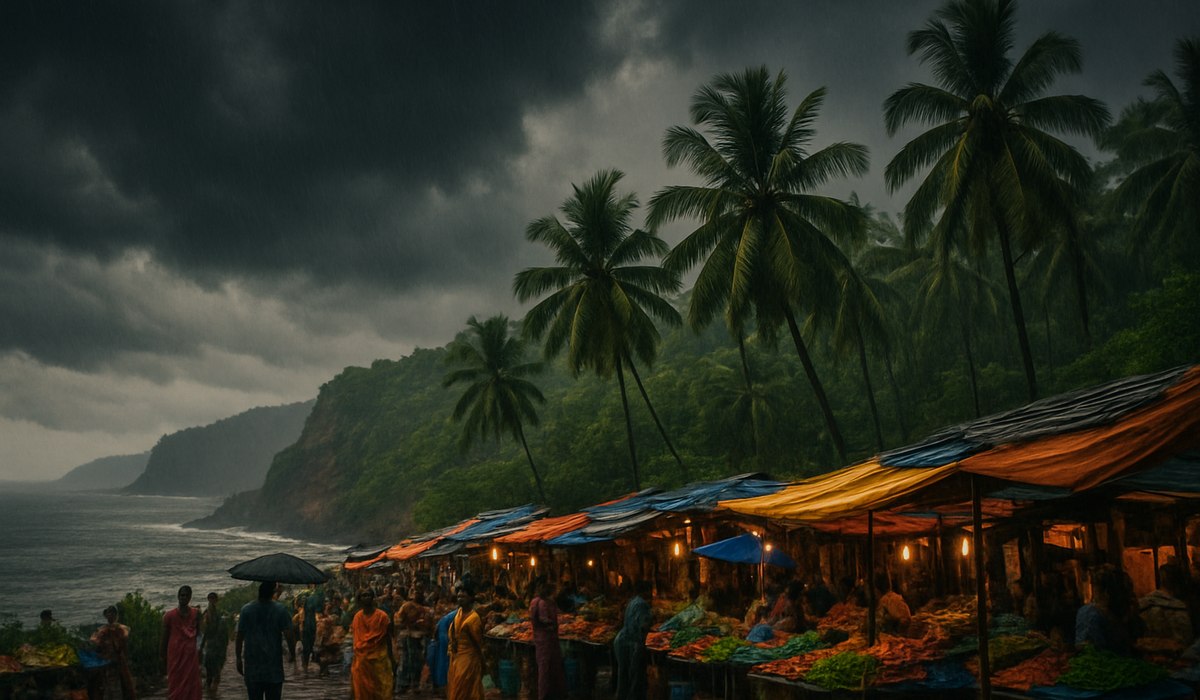
Image generated by AI
Goa Declares Traditional Off-Season Concept Obsolete
Goa's tourism minister Rohan Khaunte announced that the Indian coastal state has successfully eliminated the traditional tourism off-season through diversified year-round attractions and sustained global visitor demand. Speaking on May 21, 2026, Khaunte emphasized that consistent tourist arrivals persist regardless of seasonal patterns or international market fluctuations. The declaration signals a major shift in how Goa positions itself competitively against other domestic and international beach destinations. The minister's statement reflects growing momentum in the state's strategic pivot toward monsoon tourism and luxury destination weddings as recession-proof revenue streams.
This development carries significant implications for remote workers, digital nomads, and leisure travelers seeking reliable weather and comprehensive amenities year-round. Goa's ability to maintain visitor traffic across traditionally slower months represents a watershed moment for destination management in the Indian tourism sector.
Monsoon and Wedding Tourism Drive Growth
Monsoon tourism has emerged as a transformative revenue engine for Goa's tourism economy. Unlike traditional perceptions of rain seasons as travel deterrents, the monsoon period now attracts adventurous travelers seeking lush landscapes, rejuvenation retreats, and budget-conscious accommodations. July through September bookings have increased significantly as wellness resorts, Ayurvedic spas, and eco-tourism operators capitalize on the season's natural appeal.
Destination weddings represent an equally powerful economic catalyst. Goa's combination of scenic backdrops, established hospitality infrastructure, and favorable taxation policies positions the state as India's premier wedding tourism hub. Premium couples invest substantially in multi-day celebrations spanning oceanfront venues, heritage properties, and boutique resorts. This luxury segment generates concentrated revenue during traditionally slower periods, effectively flattening seasonal revenue curves and sustaining employment year-round.
Wedding tourism also triggers secondary spending across catering, photography, event management, and transportation sectors. The Indian wedding industry's growing internationalization means destination wedding travelers increasingly comprise affluent overseas visitors whose spending patterns exceed standard leisure tourist benchmarks.
New MICE Bureau Infrastructure
Goa is establishing a centralized MICE (Meetings, Incentives, Conferences, Exhibitions) bureau designed to streamline corporate event planning and boost business tourism. This single-window facility consolidates venue booking, logistical coordination, and vendor management under one operational umbrella. Corporate clients benefit from simplified procurement processes and vetted service providers across accommodation, catering, and audio-visual capabilities.
The MICE infrastructure expansion directly addresses season says tourism by creating demand-generation mechanisms independent of leisure travel cycles. Corporate conferences, incentive travel programs, and product launches operate according to business calendars rather than vacation seasons. Conference delegates typically stay longer, spend more per diem, and generate ancillary revenue through team activities and evening entertainment.
Goa's existing convention centers and five-star hotel conference facilities provide the foundational assets required for MICE competitiveness. Enhanced coordination mechanisms position the state competitively against established conference destinations like Delhi, Bangalore, and Hyderabad. By attracting international corporate events, Goa diversifies revenue sources and maintains steady hotel occupancy across all months.
Impact on Remote Workers and Digital Nomads
Goa's emerging identity as a year-round destination directly benefits the remote work community. Digital nomads increasingly view Goa as a reliable base combining affordable living costs, reliable internet infrastructure, and cosmopolitan social ecosystems. Coliving spaces, co-working facilities, and yoga retreats specifically designed for location-independent professionals have proliferated across North and South Goa.
Monsoon months offer particular advantages for remote workers: lower accommodation rates, reduced tourist crowds, and enhanced community cohesion within nomad populations. Tech workers from Europe and North America find that monsoon weather presents minimal disruption to productivity while dramatically reducing monthly expenses. The availability of wellness programming and adventure activities during monsoon periods appeals to professionals seeking work-life integration rather than rigid separation.
Season says tourism benefits remote workers through expanded housing availability and competitive pricing that makes six-month or annual leases financially viable. As Goa transitions from seasonal tourism dependence toward sustained visitor presence, infrastructure improvements in internet bandwidth, co-working spaces, and professional services naturally follow. This virtuous cycle creates increasingly attractive conditions for knowledge workers prioritizing geographic flexibility.
Sustained Global Visitor Demand Reshapes Tourism Economics
Consistent international tourist arrivals throughout 2026 demonstrate resilience against typical seasonal demand destruction. Khaunte's statements reflect quantifiable booking data indicating that traditional monsoon slowdowns have substantially diminished. Multiple factors explain this shift: increased flight capacity, airline pricing optimization, and marketing campaigns specifically targeting counter-seasonal travel periods.
Global tourism patterns are fundamentally changing as travelers segment by preference rather than calendar convention. Some visitors deliberately avoid peak seasons to experience destinations authentically and economically. Others, particularly retirees and sabbatical-takers, possess flexible travel windows and actively seek shoulder-season value. Goa's marketing emphasizes these counter-intuitive advantages, positioning monsoon months not as liabilities but as premium experiences.
The minister's emphasis on "consistent tourist arrivals" even during global challenges suggests that Goa's attractions possess recession-resistant qualities. Compared to luxury shopping destinations or adventure tourism sites requiring specialized equipment, Goa's combination of beaches, culture, and wellness appeals to broad demographic cohorts with varying budget constraints. This diversification naturally stabilizes demand against economic headwinds affecting single-market-dependent destinations.
Goa Tourism Performance Indicators 2026
| Metric | Value | Relevance |
|---|---|---|
| Off-season occupancy rate | 65-72% | Demonstrates elimination of traditional low-season trough |
| Monsoon visitor segment growth | +34% YoY | Validates minister's off-season elimination claims |
| Destination wedding events annually | 2,800+ | Secondary revenue driver during monsoon months |
| MICE infrastructure investment | ₹285 crore | New single-window bureau capital allocation |
| Digital nomad visa programs active | 2 | Extended stay options for remote workers |
| Coliving/co-working facilities | 47 operational | Infrastructure supporting year-round professional residency |
What This Means for Travelers
The elimination of traditional Goa off-seasons creates both opportunities and planning considerations for different traveler profiles:
-
Budget travelers benefit from monsoon pricing: July through September accommodations typically cost 40-50% less than peak season. Fewer crowds mean authentic cultural experiences and personalized service from hospitality providers. Rain patterns are often afternoon-brief showers rather than day-long downpours.
-
Remote workers should leverage extended-stay economics: Monsoon rates enable six-month or annual residential arrangements at costs competitive with Southeast Asian alternatives. Coliving communities offer built-in professional networking and social integration advantages.
-
Destination wedding planners gain year-round venue availability: No longer restricted to October-May windows, couples can schedule celebrations matching personal preferences rather than seasonal constraints. Monsoon backdrops offer distinctive aesthetic appeal and reduced vendor wait times.
-
Corporate event planners should coordinate with new MICE bureau: The centralized infrastructure reduces procurement friction and provides vetted vendor access. Corporate groups can negotiate better rates during traditionally slower booking periods.
-
Flexibility becomes premium skill: Travelers with adaptable schedules access better pricing and uncrowded experiences than inflexible visitors locked into peak-season travel windows.
FAQ: Season Says Tourism Questions
Q: When exactly is Goa's monsoon season and is it safe for travelers? Goa's monsoon runs June through September, characterized by afternoon showers and high humidity rather than continuous rain. Safety remains excellent as tourism infrastructure operates year-round. Swimming is inadvisable due to rough sea conditions, but cultural sites, restaurants, and wellness facilities remain fully operational.
Disclaimer
This article is for informational and educational purposes only. It does not constitute legal, financial, or professional advice. While we strive to provide accurate and up-to-date information, travel policies, regulations, and conditions change rapidly. Always verify information with official sources before making travel decisions. Nomad Lawyer makes no representations about the accuracy, reliability, completeness, or suitability of the information provided. Readers should consult qualified professionals for advice specific to their circumstances. The views expressed in this article are those of the author and do not necessarily reflect the views of Nomad Lawyer.
Raushan Kumar
Founder & Lead Developer
Full-stack developer with 11+ years of experience and a passionate traveller. Raushan built Nomad Lawyer from the ground up with a vision to create the best travel and law experience on the web.
Learn more about our team →