
Global Travel Intelligence Report 2026: Analysis of 13 Major Aviation, Hospitality and MICE Engagements
A comprehensive analysis of global travel trends emerging from 13 major industry events across Asia, Europe, North America, and Australia in July and August 2026.

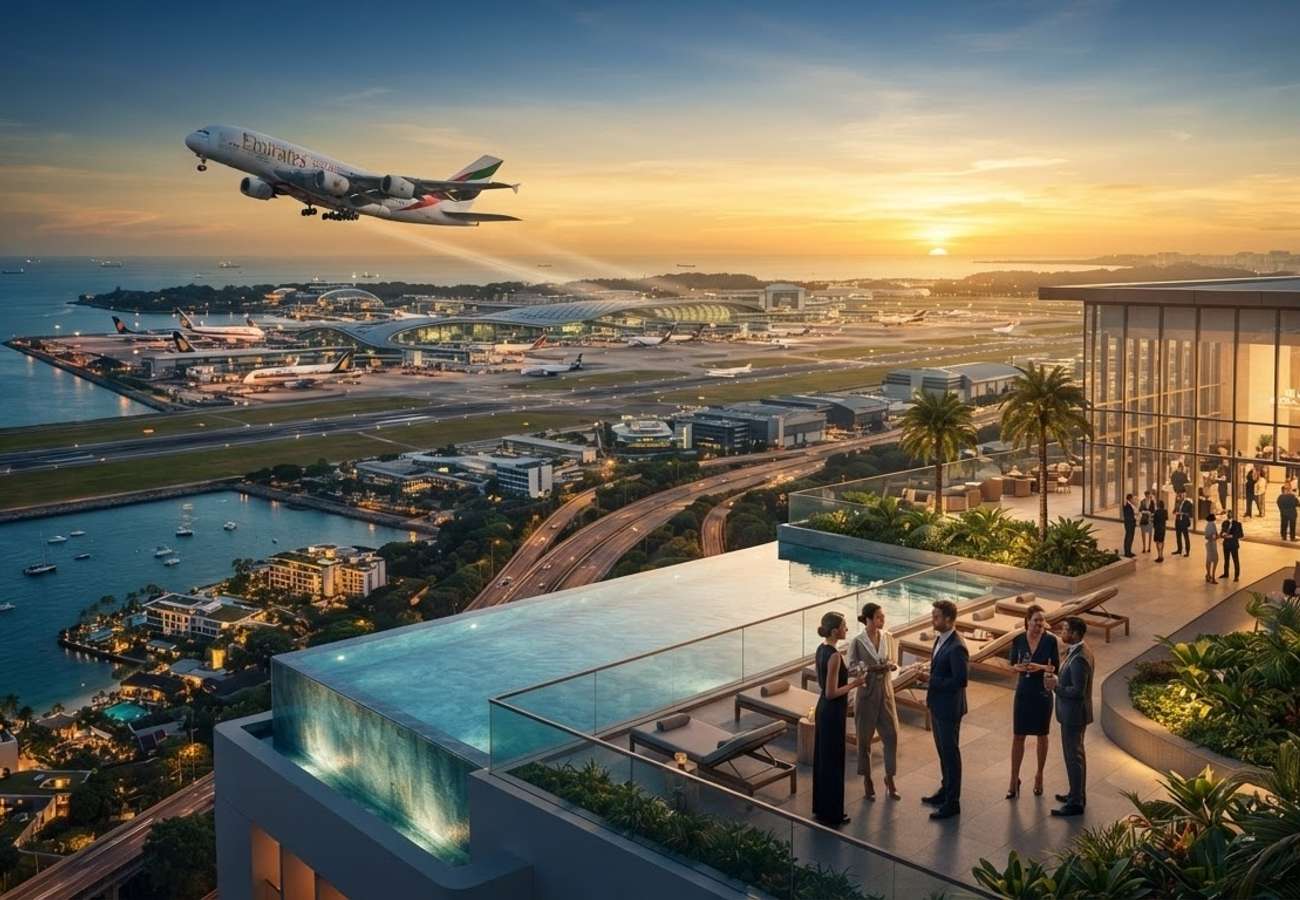
Image generated by AI
Industry analysts have identified a systemic shift toward AI-driven personalization and sustainable infrastructure following a series of 13 high-level global travel and hospitality engagements throughout July and August 2026.
Global Intelligence Synthesis: July-August 2026
Our analysis of recent industry activity across Asia, Europe, North America, and Australia reveals a concentrated effort by tourism authorities and technology leaders to redefine the visitor economy. The data gathered from these engagements highlights a transition from generic service models to experience-led, technology-enhanced travel journeys.
The intelligence gathering spanned critical sectors including aviation, cruise lines, MICE (Meetings, Incentives, Conferences, and Exhibitions), and luxury hospitality, providing a cross-sectional view of the current global travel trajectory.
Sector-Specific Impact Breakdown
Travel Technology and Digital Transformation
Analysis from Travel Tech Asia indicates that artificial intelligence and vertical search are now the primary drivers of traveler behavior. Key insights were derived from leadership at Google, Trip.com Group, and Booking.com.
- AI Integration: Shift toward hyper-personalized discovery and purchase phases.
- Search Behavior: Evolution of how travelers interact with digital platforms to curate complex itineraries.
- Efficiency: Implementation of connected journeys to reduce friction in the passenger experience.
Luxury Tourism and Hospitality
Findings from ILTM Asia Pacific and the Vietnam Hotel Innovation Summit suggest a pivot in high-value traveler expectations.
- Emotional Connectivity: A move away from material luxury toward personalized service and emotional resonance.
- Operational Innovation: Integration of smart solutions in Vietnam's hotel sector to improve sustainability and operational agility.
- Market Segments: Identification of emerging high-net-worth traveler profiles with a preference for authentic, low-impact experiences.
Regional Hospitality and Culinary Tourism
Data from Restaurant Asia and Food & Hospitality Indonesia underscores the role of the F&B sector as a destination driver.
- Supply Chain Resilience: Increased focus on sustainable sourcing and food technology.
- HORECA Growth: Expansion of Indonesia's hospitality sector through halal certification and smart foodservice innovation.
- Destination Competitiveness: Recognition of culinary experiences as a primary motivator for international arrivals.
MICE and Business Mobility
Engagement at the GBTA Convention and IBTM Americas highlights the resilience of the business travel sector.
- Corporate Mobility: New frameworks for sustainable business travel and corporate movement.
- Economic Impact: The MICE sector continues to serve as a critical pillar for international tourism and regional economic development.
- Professional Networking: A renewed emphasis on the Events Club Forum 2026 model of collaborative business ecosystems.
Passenger Rights & Advisory: Navigating 2026 Travel Shifts
For the affected passenger, the rapid integration of AI and digital platforms described in these reports means that booking transparency and consumer rights are evolving. As airlines and hotels move toward dynamic, AI-driven pricing and automated rebooking, passengers must remain vigilant regarding their legal protections.
Our analysis of current aviation policies suggests the following actionable steps for travelers:
- Digital Documentation: With the push toward "connected journeys," passengers should maintain offline backups of all digital vouchers and boarding passes to avoid disruptions caused by platform outages.
- Compensation Awareness: As AI handles more rebookings, passengers should not assume an automated solution is the most beneficial one. Under frameworks like EU261/2004 or US DOT guidelines, passengers are entitled to specific compensation for delays and cancellations, regardless of whether an AI tool has offered a flight alternative.
- Verification of Services: In the luxury and "personalized" sector, ensure that "technology-enhanced experiences" do not replace mandated safety or service standards. Always verify the specific terms of "personalized" packages in writing to avoid disputes over service delivery.
The convergence of these 13 events suggests that the travel industry is no longer treating technology as a supplement, but as the core infrastructure. The transition toward "experience-led journalism" and intelligence gathering reflects a broader industry need for real-time data over static annual reports.
The emphasis on sustainable tourism in Australia and India indicates that destination management organizations (DMOs) are prioritizing long-term viability over short-term volume. This strategic shift is likely to result in more regulated visitor flows and a higher premium on "authentic" local interactions.
The global travel ecosystem is moving toward a model where data-driven efficiency and human-centric luxury must coexist to maintain market competitiveness.
Related Travel Guides
Disclaimer
This article is for informational and educational purposes only. It does not constitute legal, financial, or professional advice. While we strive to provide accurate and up-to-date information, travel policies, regulations, and conditions change rapidly. Always verify information with official sources before making travel decisions. Nomad Lawyer makes no representations about the accuracy, reliability, completeness, or suitability of the information provided. Readers should consult qualified professionals for advice specific to their circumstances. The views expressed in this article are those of the author and do not necessarily reflect the views of Nomad Lawyer.
Naina Thakur
Contributor & Travel Specialist
Travel enthusiast and legal writer covering visa regulations, responsible tourism, and cultural journeys across global destinations.
Learn more about our team →