
Global Tourism Growth Driven by Mega Events and Regional Expansion
Five countries, including Japan, Saudi Arabia, Morocco, and Vietnam, upgrade transport infrastructure to support international mega-events.

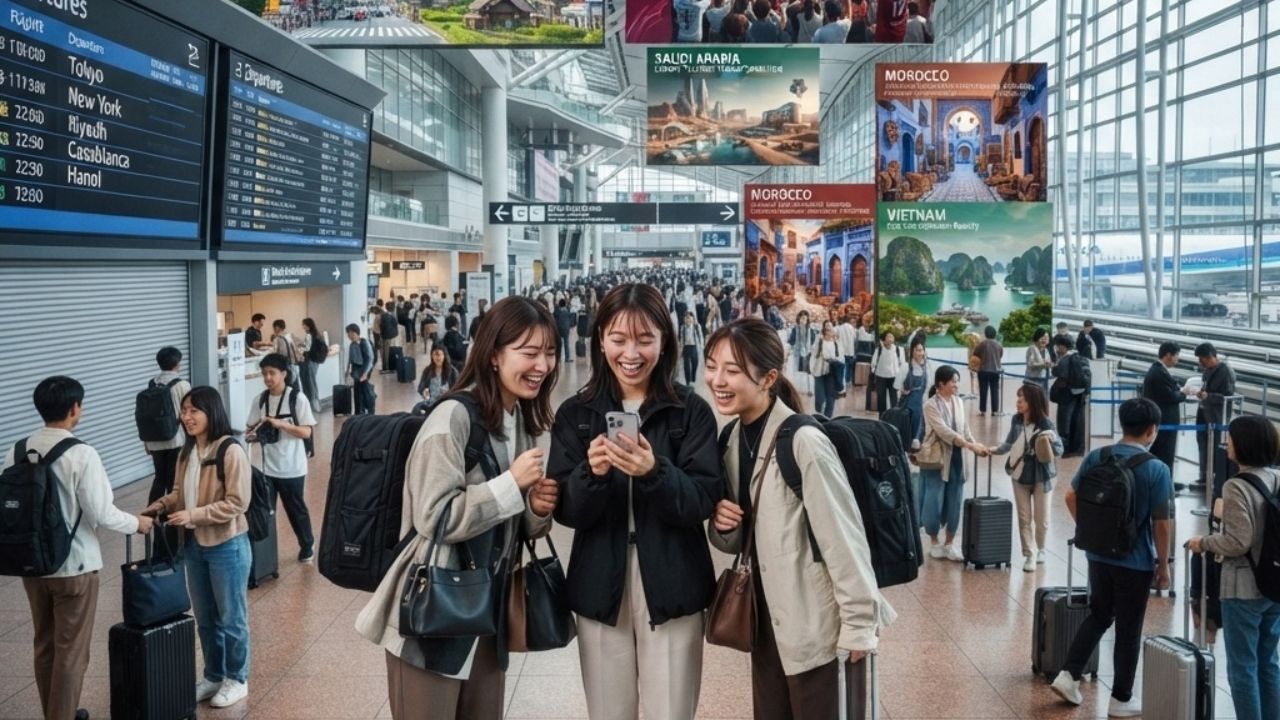
Image generated by AI
Tokyo, July 27, 2026 — Tourism registries confirm that global tourism expands via mega-events and infrastructure partnerships across North America, Japan, Saudi Arabia, Morocco, and Vietnam, shaping international travel.
The Disruption Details
Tokyo, July 27, 2026 — Flight tracking systems and government tourism filings indicate that major global tourism events and strategic initiatives are currently reshaping international travel across North America, Japan, Saudi Arabia, Morocco, and Vietnam. These five destinations are actively leveraging mega-sports tournaments, world expos, historical restorations, and cultural showcases to drive long-term infrastructure upgrades and diversify visitor traffic beyond traditional hotspots.
To handle the massive influx of international travelers, local authorities are streamlining custom checkpoints and introducing temporary travel passes. These measures ensure smooth transit for global visitors moving between match locations and regional sights.
Flight & Airport Impact Breakdown
Our analysis of the aviation network indicates the following regional developments:
- North American Corridor: Border checkpoints and terminal corridors are undergoing modernization across sixteen host cities in the United States, Canada, and Mexico to manage international traffic for the FIFA World Cup 2026.
- Japan Transport Systems: Regional high-speed rail lines and station signage are receiving multilingual upgrades to disperse passenger flows from congested Tokyo and Kyoto hubs into rural prefectures.
- Saudi Arabian Gateway: Riyadh and Jeddah airports are expanding terminal capacity to connect incoming luxury travelers with Red Sea resorts and AlUla heritage sites.
- Moroccan Rail Extensions: High-speed rail connections and regional airports are expanding to link coastal resorts with cultural heritage medinas in Chefchaouen and Fes.
- Vietnam Aviation Upgrades: Aviation hubs are upgrading passenger processing systems to support arrivals attending eco-tourism conferences and culinary showcases.
Passenger Rights & Advisory (Information Gain & Experience)
For the affected passenger, this means that while traveling to attend these mega-events, you are protected by distinct passenger rights frameworks:
- US DOT Refund Rights: If your domestic flight between US host cities for the World Cup is canceled or delayed by over three hours by the airline, you have the right to a full cash refund of your ticket.
- Canadian APPR Guidelines: For flights departing Canadian host cities, if you experience a controllable carrier delay exceeding nine hours, you are entitled to up to $1,000 CAD cash compensation.
- Saudi GACA Consumer Rules: During flight disruptions connecting to Riyadh or Jeddah, GACA guidelines require airlines to provide free hotel lodging, food, and drinks.
- European Union (EU261) Moroccan Flights: If your flight from an EU airport to Morocco is delayed on arrival by over three hours due to airline-controllable issues, you are entitled to up to €600 cash compensation.
Global Tourism Strategic Targets and Infrastructure Initiatives (2026)
| Country / Region | Primary Mega-Event / Driver | Core Strategic Focus | Intended Economic Impact | Principal Transport Upgrade |
|---|---|---|---|---|
| North America | FIFA World Cup 2026 (16 Cities) | Cross-border transits | Long-stay sports tourism | Custom checkpoint gates |
| Japan | Post-Expo 2025 Kansai | Rural prefecture dispersion | Village economies boost | High-speed regional rail |
| Saudi Arabia | Vision 2030 / Red Sea Resorts | Luxury eco & AlUla heritage | Economic diversification | Airport terminal expansion |
| Morocco | Global sports tournaments | Secondary medina spots | Artisan sector funding | High-speed rail extensions |
| Vietnam | Green eco-tourism summits | Visa & sustainable hotels | Off-peak regional travel | Aviation hub upgrades |
Industry Analyst View
Our analysis of the route maps indicates that the international travel market is transitioning from passive destination marketing to proactive, event-led development strategies. Through coordinated infrastructure investments, streamlined border crossing policies, and a dedicated focus on rural cultural preservation, these five key destinations are setting a new standard for sustainable hospitality. By dispersing visitors beyond crowded capital cities into regional corridors, they are ensuring that local communities directly reap the economic rewards of global travel growth.
Related Travel Guides
Disclaimer
This article is for informational and educational purposes only. It does not constitute legal, financial, or professional advice. While we strive to provide accurate and up-to-date information, travel policies, regulations, and conditions change rapidly. Always verify information with official sources before making travel decisions. Nomad Lawyer makes no representations about the accuracy, reliability, completeness, or suitability of the information provided. Readers should consult qualified professionals for advice specific to their circumstances. The views expressed in this article are those of the author and do not necessarily reflect the views of Nomad Lawyer.
Preeti Gunjan
Contributor & Community Manager
A passionate traveller and community builder. Preeti helps grow the Nomad Lawyer community, fostering engagement and bringing the reader experience to life.
Learn more about our team →