
Global Hotel Brands Expand into Tier 2 Cities: US and India Hospitality Trends 2026
Hospitality investment is shifting from major metros to regional hubs, with record construction pipelines in US cities like Dallas and a 23% surge in Indian branded hotel signings.

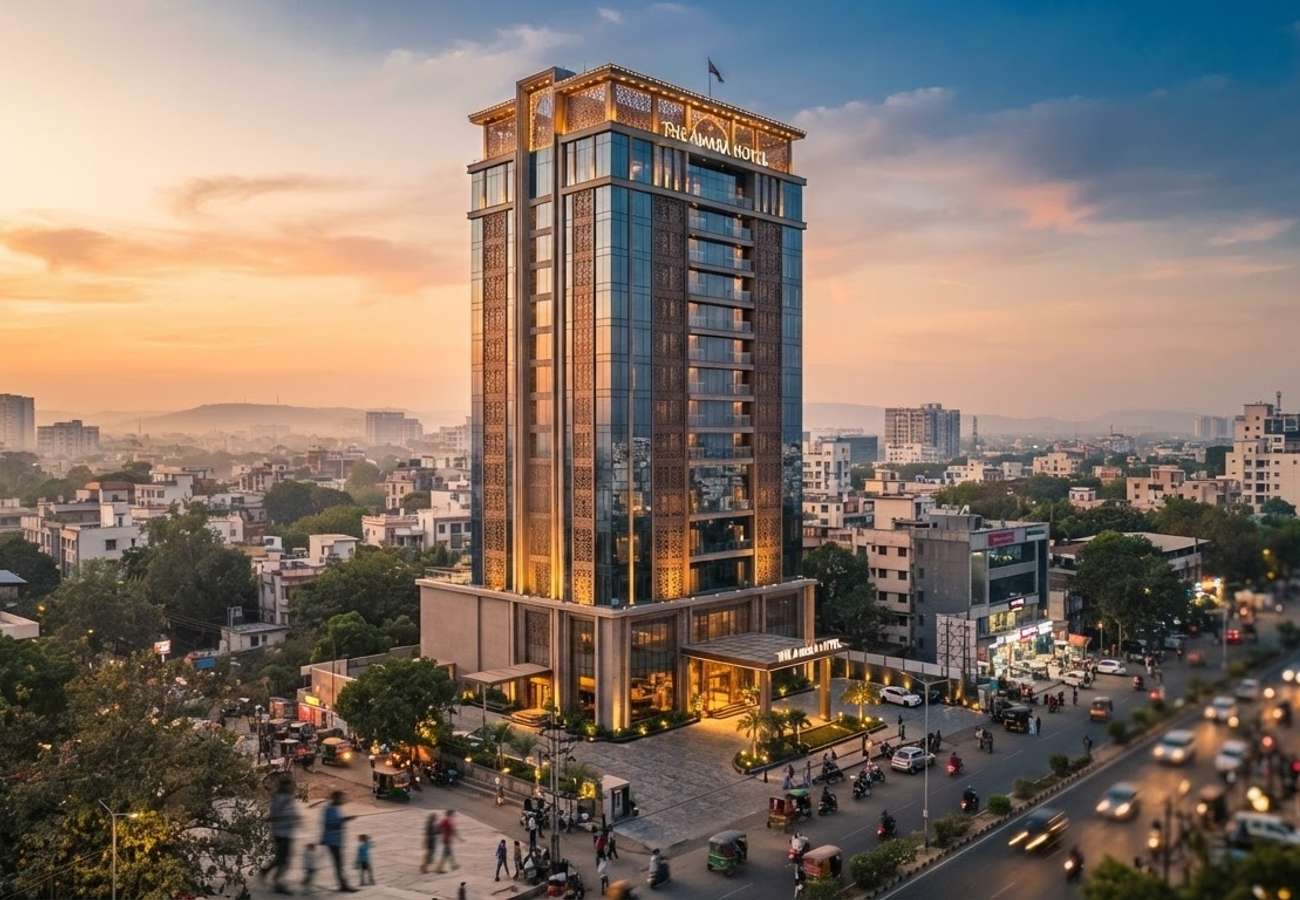
Image generated by AI
The hospitality map is being redrawn as global brands pivot away from saturated metros. In the US, Dallas leads a massive regional surge with 22,861 rooms in the pipeline, while 71% of new branded hotel signings in India are now targeting Tier 2 and Tier 3 cities.
The Shift Toward Regional Hubs
For decades, the hospitality industry operated on a gateway model, concentrating investment in global magnets like New York, Los Angeles, and Mumbai. However, 2026 marks a definitive transition toward decentralization. Developers are no longer chasing the prestige of the primary metropolis but are instead following demographic shifts and corporate migrations into regional centers.
This evolution is powered by a convergence of infrastructure upgrades and changing travel behaviors. The expansion of regional airports and high-speed highway networks has lowered the barrier to entry for smaller cities. Simultaneously, the corporate world is diversifying; companies are establishing satellite offices in more affordable regions, bringing a steady stream of consultants, suppliers, and executives to areas that previously lacked high-end accommodation.
US Market: Beyond the Traditional Gateways
While the "Big Five"—New York, Los Angeles, Chicago, Miami, and Las Vegas—remain critical, the growth narrative has shifted. Data from Lodging Econometrics for the second quarter of 2026 reveals that regional markets are hitting record-breaking construction milestones.
Record Construction Pipelines in US Regional Markets (Q2 2026)
| City | Number of Projects | Total Room Count |
|---|---|---|
| Indianapolis | 76 | 8,557 |
| Tampa | 61 | 8,370 |
| St. Louis | 59 | 6,373 |
The trend is even more pronounced in high-growth economic zones. By the end of the first quarter of 2026, the pipeline for the nation's fastest-growing economies showed staggering numbers:
- Dallas: 184 projects (22,861 rooms)
- Atlanta: 158 projects
- Phoenix: 123 projects
- Nashville & Austin: Maintaining substantial growth trajectories
The success of these markets stems from "demand stacking." Rather than relying on a single seasonal tourist draw, these cities leverage a mix of tech hubs (Austin), healthcare and entertainment (Nashville), and corporate expansion (Dallas). For the visitor, this means a more diverse range of hotel products—from boutique lifestyle properties to large-scale convention hotels—appearing in cities that were once mere stop-overs.
India’s Tier 2 and Tier 3 Revolution
India is currently experiencing one of the most aggressive decentralizations of branded hospitality globally. According to JLL, the country recorded 51,647 branded hotel room signings across 424 properties in 2025, a year-on-year increase of 23%.
The most striking figure is that 71% of these signed rooms are located in Tier 2 and Tier 3 cities. This shift is characterized by a preference for management contracts, which accounted for 84% of agreements, while greenfield developments contributed 33,170 rooms.
This growth is not merely about leisure; it is about the "coming of age" of smaller cities. Ajay K. Bakaya, Chairman of Sarovar Hotels and Director of Louvre Hotels India, notes that improved connectivity is transforming local social structures. For example, the "destination wedding" trend is moving closer to home, as families now find the necessary luxury infrastructure in their own regional hubs rather than traveling to a major metro. Similarly, the expansion of regional healthcare facilities is driving a surge in medical tourism and associated accommodation needs.
Sarovar Hotels is a prime example of this strategy in action, currently operating across 110 destinations with approximately 270 hotels. The company projects this could grow to 400 hotels within the next five years if current trajectories hold.
Cultural and Environmental Value
The move toward regional development offers a significant opportunity for more sustainable tourism. By distributing visitor traffic away from over-congested "overtourism" hotspots, regional expansion supports the local economy directly.
For the traveler, the impact is a more authentic experience. Regional hotels are increasingly integrating local heritage, utilizing regional architects and sourcing materials from nearby artisans to differentiate themselves from the cookie-cutter designs of metropolitan chains. This shift encourages "slow travel," where visitors spend more time exploring the cultural nuances of a secondary city rather than rushing through a primary tourist checklist.
Visitor Insider Tips
For those exploring these emerging regional hubs, keep these local insights in mind:
- Timing Your Visit: In US regional hubs like Nashville or Phoenix, avoid "peak event" weekends (major conventions or sporting events) to secure better rates and avoid the crowds. Mid-week stays often offer a more serene experience of the local culture.
- Cultural Etiquette in India: When visiting Tier 2 or Tier 3 cities, be mindful that social norms may be more traditional than in Mumbai or Delhi. Dressing modestly and engaging with local guides is the best way to discover hidden gems.
- Dining Beyond the Hotel: While new branded hotels offer world-class dining, the real value in regional cities lies in the "hole-in-the-wall" eateries that have served the community for generations. Ask your concierge for the "local favorite" rather than the "tourist recommendation."
- Transport: In emerging Indian cities, use app-based ride-sharing for transparency, but don't hesitate to try local auto-rickshaws for shorter distances to experience the city's true pace.
Tourism Outlook
The long-term trajectory suggests that the "metropolitan monopoly" on luxury and branded travel is over. The future of hospitality lies in diversification. As long as infrastructure continues to improve and corporate decentralization persists, regional cities will continue to attract investment. The risk remains for those who over-build based on temporary booms; however, destinations with multiple demand generators—education, health, and business—are positioned for sustainable, long-term growth.
The map of luxury is expanding, turning yesterday's quiet towns into tomorrow's travel destinations.
Related Travel Guides
Disclaimer
This article is for informational and educational purposes only. It does not constitute legal, financial, or professional advice. While we strive to provide accurate and up-to-date information, travel policies, regulations, and conditions change rapidly. Always verify information with official sources before making travel decisions. Nomad Lawyer makes no representations about the accuracy, reliability, completeness, or suitability of the information provided. Readers should consult qualified professionals for advice specific to their circumstances. The views expressed in this article are those of the author and do not necessarily reflect the views of Nomad Lawyer.
Kunal K Choudhary
Co-Founder & Contributor
A passionate traveller and tech enthusiast. Kunal contributes to the vision and growth of Nomad Lawyer, bringing fresh perspectives and driving the community forward.
Learn more about our team →