
Global Ecotourism Market Projected to Reach USD 561 Billion
The global ecotourism market is projected to rise from USD 320.74 billion in 2025 to USD 561.13 billion by 2031, led by green policies in France and Germany.

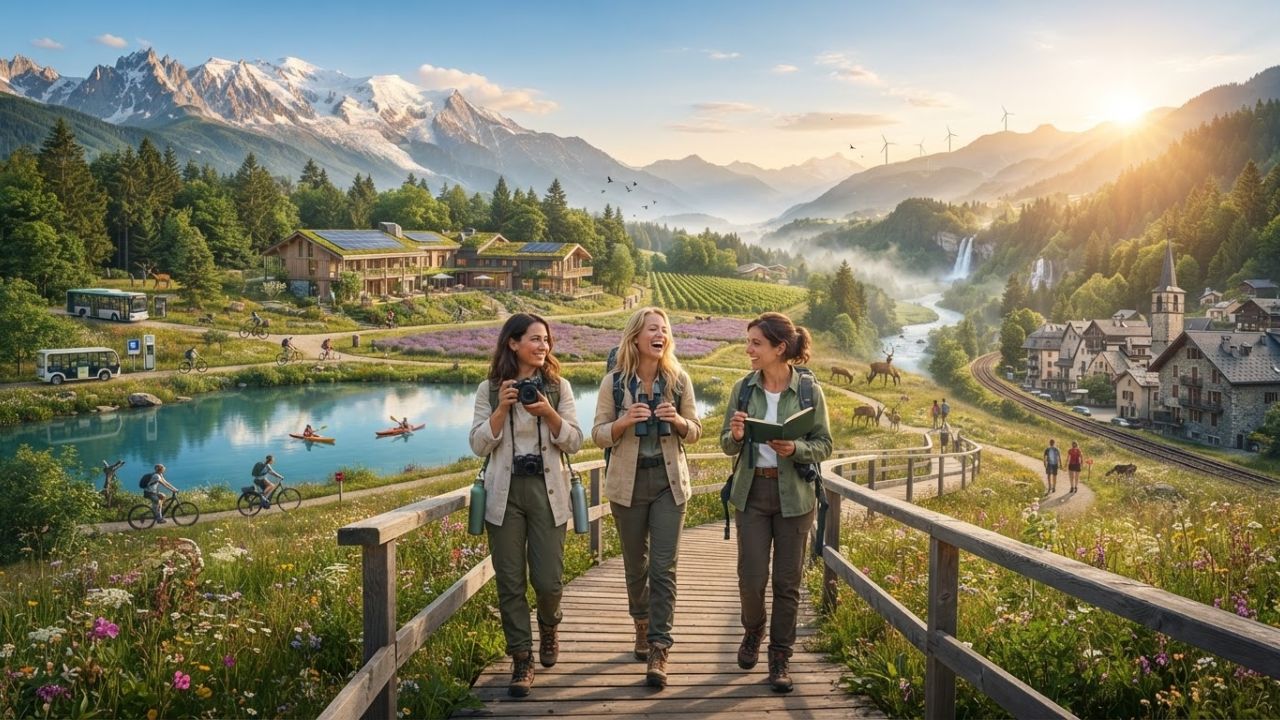
Image generated by AI
The global ecotourism market is projected to reach USD 561.13 billion by 2031, driven by rising green travel policies in France, Germany, and Europe. This shift toward nature-based travel is increasing passenger traffic on regional rail links and eco-tourism flight segments, requiring travelers to understand cancel policies and flight protections.
Global Ecotourism Market Projected to Reach USD 561 Billion
Our analysis of global travel data indicates that the ecotourism sector is entering a rapid growth phase. The global ecotourism market is projected to rise from USD 320.74 billion in 2025 to USD 354.94 billion in 2026, before reaching USD 561.13 billion by 2031. This expansion represents a compound annual growth rate (CAGR) of 9.59% between 2026 and 2031, driven by travelers choosing sustainable travel, wildlife observation tours, and community-led experiences.
European nations like France and Germany are supporting this transition by introducing green travel policies and promoting nature-based holidays. In addition, digital booking platforms and artificial intelligence tools are making eco-friendly destinations easier to access. However, operators face challenges, including higher costs for sustainable waste management and limited transport infrastructure in remote natural areas.
Regional Eco-Tourism Corridor and Transit Impact
The rise in conservation-focused travel is shifting traffic across primary transport channels:
- European Rail Gateways: High-speed rail corridors linking Paris Charles de Gaulle (CDG) and Frankfurt (FRA) handle elevated volumes of green travelers.
- Asia-Pacific Secondary Airports: Terminals in India, China, Japan, Australia, and Thailand record higher passenger traffic spikes for national park transit.
- North American Wilderness Routes: US and Canadian gateways face increased domestic flight demands to remote forest and mountain regions.
- Remote Transit Infrastructure: Eco-lodges in South America and Africa are expanding local shuttle and boat transit systems to accommodate tourists.
Passenger Rights & Advisory (Information Gain & Experience)
For travelers booking eco-tourism itineraries to remote areas, understanding passenger rights is essential to manage transport delays. Our analysis of international aviation frameworks suggests travelers check their specific protections:
- European EU261 Compensation Rights: Under European Union Passenger Rights EU261/2004, if your flight departing from an EU airport (such as Paris or Frankfurt) is delayed by three or more hours or cancelled due to controllable airline issues, you are entitled to cash compensation between EUR 250 and EUR 600.
- US DOT Significant Change Refunds: Under US Department of Transportation (DOT) rules, if your flight to or within the US is cancelled and you choose not to accept the rebooking, you are entitled to a full cash refund of your ticket.
- Remote Travel Insurance Advisories: Flight cancellations on routes to remote eco-lodges with low daily frequencies (such as in Brazil or South Africa) can cause multi-day delays. Travelers should buy travel insurance with trip interruption benefits to cover non-refundable lodge costs.
Industry Analyst View
The projected growth of the ecotourism market to USD 561.13 billion by 2031 shows that sustainability has transitioned from a niche market into a core driver of the global travel economy. By prioritizing environmental preservation and directing visitor spending to local communities, destinations can build resilient, long-term tourism models.
In addition, standardizing green certifications is essential to help travelers identify authentic eco-lodges and prevent greenwashing. To support this growth, governments must invest in low-emission transport links, including electric rail and regional shuttle corridors, to connect major cities with nature reserves. This transit planning is vital to prevent environmental degradation at sensitive natural sites as visitor numbers increase.
Related Travel Guides
Disclaimer
This article is for informational and educational purposes only. It does not constitute legal, financial, or professional advice. While we strive to provide accurate and up-to-date information, travel policies, regulations, and conditions change rapidly. Always verify information with official sources before making travel decisions. Nomad Lawyer makes no representations about the accuracy, reliability, completeness, or suitability of the information provided. Readers should consult qualified professionals for advice specific to their circumstances. The views expressed in this article are those of the author and do not necessarily reflect the views of Nomad Lawyer.
Kunal K Choudhary
Co-Founder & Contributor
A passionate traveller and tech enthusiast. Kunal contributes to the vision and growth of Nomad Lawyer, bringing fresh perspectives and driving the community forward.
Learn more about our team →