
Global Astrotourism Boom Drives Dark Sky Destinations Growth
New Zealand, Chile, Portugal, and Namibia lead the astrotourism boom, turning dark sky reserves into major global travel escapes.

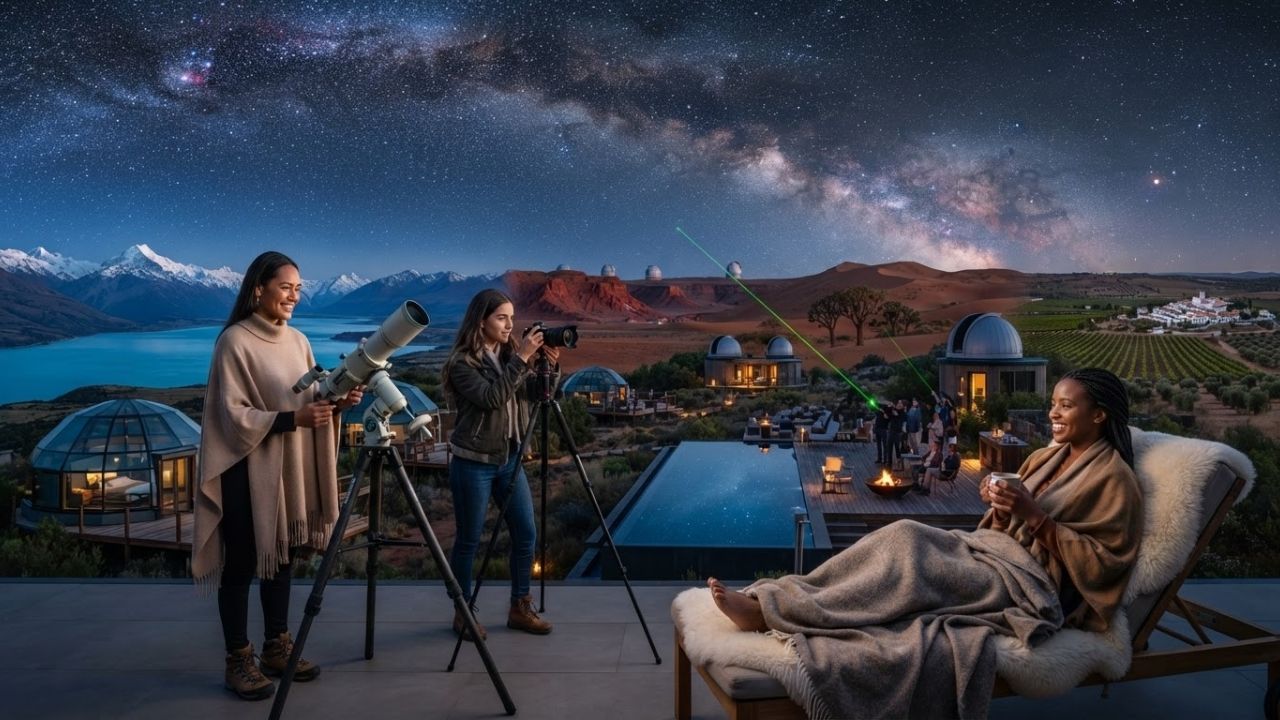
Image generated by AI
Standfirst: The global astrotourism boom is driving millions of travelers to dark sky reserves in New Zealand, Chile, Portugal, and Namibia. This surge in nature-based travel concentrates passenger traffic at regional airports and remote transit terminals, requiring stargazers to verify flight cancel rights and weather-related delay compensation.
Global Astrotourism Boom Drives Dark Sky Destinations Growth
Our analysis of sustainable travel trends indicates that international destinations are transforming their natural darkness into a major tourism asset. Astrotourism—travel focused on stargazing, astrophotography, and astronomical events—is expanding across remote regions with minimal light pollution. By developing premium stargazing products around astronomy, wellness, and conservation, remote communities can attract international tourists and generate off-season revenues.
New Zealand has emerged as a primary market, led by the Aoraki Mackenzie International Dark Sky Reserve in the South Island. Covering approximately 4,300 square kilometres, this reserve includes Lake Tekapo, Mount John Observatory, and Aoraki Mount Cook National Park. Similar growth is recorded in Chile's high-altitude Atacama Desert, Namibia's NamibRand Nature Reserve, and Portugal's Alqueva Dark Sky Reserve in the Alentejo region.
Regional Gateways and Transit Impact
The rise in night-sky tourism is increasing passenger traffic across regional air corridors:
- Christchurch International Airport: CHC Airport handles the majority of international arrivals routing to the 4,300 square kilometre Mackenzie Reserve.
- Calama El Loa Airport (CJC): This northern Chilean gateway processes elevated tourist volumes heading to Atacama Desert observatories.
- Windhoek Hosea Kutako Airport: WDH Airport in Namibia manages safari and dark sky tourist arrivals booking premium desert lodges.
- Alentejo Transit Corridors: Regional road and shuttle links from Lisbon (LIS) experience higher evening traffic as travelers head to Alqueva.
Passenger Rights & Advisory (Information Gain & Experience)
For travelers planning stargazing vacations, understanding consumer protection rules and weather dependencies is essential. Our analysis of domestic and international aviation policies suggests passengers check their specific rights:
- US DOT Significant Change Refunds: If your flight is cancelled or undergoes a significant schedule change and you choose not to accept the rebooking, you have the right to a full cash refund under US Department of Transportation (DOT) guidelines.
- Weather-Related Force Majeure Delays: If severe localized weather (such as sandstorms in Atacama or snowstorms in the Southern Alps) cancels your flight, airlines are not legally required to provide lodging or meals since weather is outside their control. However, they must assist in rebooking you on the next available flight at no extra cost.
- Observatory Booking Cancel Policies: Stargazing excursions are highly weather-dependent. Most observatories do not issue cash refunds if cloud cover blocks visibility, instead providing planetarium sessions or rain checks, making it essential to review local reservation agreements before booking.
Industry Analyst View
The growth of dark sky tourism demonstrates that travelers increasingly value experiential, low-crowd vacations that connect them directly with the natural environment. By protecting their night skies from light pollution, rural communities can establish high-value, sustainable tourism models.
In addition, hotels can increase overnight guest spending by offering private telescope suites and night photography workshops. To support this growth, regional development boards must implement strict outdoor lighting standards and coordinate transport options between international gateways and dark sky reserves. This planning remains essential to preserve the environmental conditions that serve as the primary visitor draw.
Related Travel Guides
Disclaimer
This article is for informational and educational purposes only. It does not constitute legal, financial, or professional advice. While we strive to provide accurate and up-to-date information, travel policies, regulations, and conditions change rapidly. Always verify information with official sources before making travel decisions. Nomad Lawyer makes no representations about the accuracy, reliability, completeness, or suitability of the information provided. Readers should consult qualified professionals for advice specific to their circumstances. The views expressed in this article are those of the author and do not necessarily reflect the views of Nomad Lawyer.
Kunal K Choudhary
Co-Founder & Contributor
A passionate traveller and tech enthusiast. Kunal contributes to the vision and growth of Nomad Lawyer, bringing fresh perspectives and driving the community forward.
Learn more about our team →