
Germany Tourism Growth 2026: Overnight Stays Rise as India Becomes Key Market Driver
Germany records 174.9 million overnight stays from January to May 2026, signaling a historic recovery fueled by domestic resilience and a strategic pivot toward high-value Indian travelers.

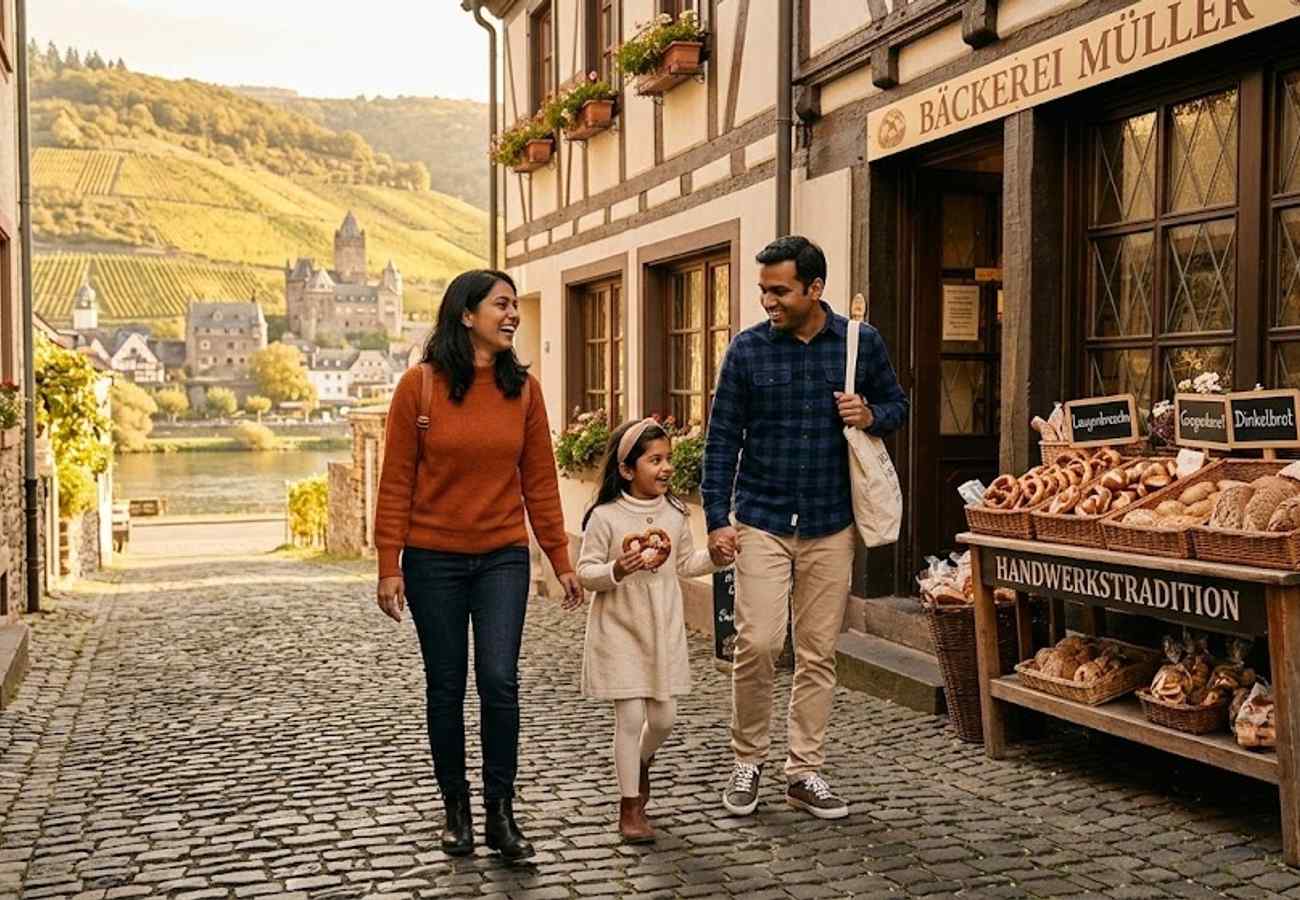
Image generated by AI
Germany has officially entered a new era of tourism recovery, with domestic travel now surpassing 2019 pre-pandemic levels and international stability providing a firm foundation for growth. Recent data indicates a significant surge in visitor engagement, particularly from the Indian market, which is shifting from superficial sightseeing to immersive, regional exploration.
Tourism Volume and Market Stability
The German National Tourist Board reports a robust start to the year, recording 174.9 million overnight stays between January and May 2026. This marks a 1.3% increase over the same period in 2025.
International demand remains consistent, contributing 28.7 million overnight stays during this five-month window. The recovery is characterized by a strong domestic rebound, proving the long-term resilience of Germany's internal travel infrastructure.
The Strategic Pivot Toward Indian Travelers
India has transitioned into a pivotal growth engine for German tourism. Between January and May 2026, Indian visitors accounted for 350,488 overnight stays, a 0.1% year-on-year increase. May 2026 alone saw 86,870 stays from this demographic.
To capitalize on this momentum, the German National Tourist Office (GNTO) India has implemented a four-pillar strategy for 2026. This approach focuses on:
- Major cultural milestones and anniversaries.
- The vibrancy of urban centers.
- Regional food and beverage heritage.
- Nature-centric and family-oriented travel.
Romit Theophilus, Director of the Marketing & Sales Office for GNTO India, notes that Indian travelers are no longer simply "passing through." Instead, they are spending more time in specific regions and seeking deeper emotional connections with the destination.
Cultural Milestones: The 150th Bayreuth Wagner Festival
A primary driver for 2026 high-value tourism is the 150th anniversary of the Bayreuth Festival Theatre. Located on the "Green Hill," this venue remains a global epicenter for opera and the legacy of Richard Wagner.
The celebrations extend beyond a single city, creating a nationwide itinerary that connects museums, opera houses, and landmarks associated with Wagner's life. This specific event is expected to resonate strongly with Indian travelers, given the shared cultural emphasis on classical music and storytelling.
Urban Innovation and the Berlin Appeal
Germany's cities continue to serve as the primary gateways for international visitors. Berlin, in particular, is reinforcing its status as a creative capital through international festivals and sustainable urban planning.
Key urban developments include:
- The Pergamon Museum: Preparing for a high-profile reopening in June 2027 to coincide with the bicentenary of the UNESCO-listed Museum Island.
- Entertainment Hubs: The permanent production of Alizé by Cirque du Soleil at Theater am Potsdamer Platz is expanding Berlin's appeal as a nightlife and entertainment destination.
- Regional Hubs: Munich, Hamburg, and Frankfurt continue to draw visitors by blending royal heritage, maritime culture, and financial innovation.
Culinary Tourism and Regional Identity
Gastronomy has become a central pillar of the German travel experience, moving beyond stereotypes to highlight regional craftsmanship.
The Wine and Beer Economy
Germany's beverage sector is a massive draw for "slow travel" enthusiasts:
- Viticulture: Over 11,000 wineries across 13 regions cultivate more than 100,000 hectares of vineyards. The Moselle Valley (Rieslings) and Baden (Pinot Noir) remain top destinations.
- Brewing: Approximately 1,500 breweries produce nearly 5,000 beer varieties. Many still adhere to the Reinheitsgebot (Beer Purity Law) of 1516.
Bread and Seasonal Traditions
With over 3,000 varieties of bread and baked goods, Germany's baking culture is recognized as a UNESCO intangible cultural heritage. This is complemented by seasonal food festivals, such as the spring wild garlic harvests and early summer asparagus celebrations.
Germany Tourism Data Summary (Jan–May 2026)
| Metric | Figure | Trend/Detail |
|---|---|---|
| Total Overnight Stays | 174.9 Million | +1.3% vs 2025 |
| International Overnight Stays | 28.7 Million | Stable |
| Total Indian Overnight Stays | 350,488 | +0.1% YoY |
| May 2026 Indian Stays | 86,870 | Monthly peak |
| Wine Growing Regions | 13 | 100,000+ hectares |
| Beer Varieties | ~5,000 | 1,500+ breweries |
| Bread Varieties | 3,000+ | UNESCO Heritage status |
Key Takeaways
- Domestic Dominance: Germany's internal tourism has officially exceeded 2019 levels, signaling a full recovery.
- Indian Market Shift: Visitors from India are moving toward "slow travel," spending more time in specific regions rather than rapid city-hopping.
- Cultural Anchors: The 150th anniversary of the Bayreuth Wagner Festival is a key attractant for 2026.
- Urban Growth: Berlin's 2027 Pergamon Museum reopening is already influencing long-term travel planning.
FAQ
Why is 2026 a significant year for cultural travel in Germany? It marks the 150th anniversary of the Bayreuth Wagner Festival, creating a nationwide cultural journey through the legacy of Richard Wagner.
How is the Indian travel market changing in Germany? Indian tourists are shifting from conventional sightseeing to deeper regional exploration, focusing on stories, flavors, and meaningful shared experiences.
What is the significance of the Reinheitsgebot? It is the 1516 Beer Purity Law, one of the world's oldest food quality standards, which still governs many of Germany's 1,500 breweries.
Germany's blend of rigid tradition and urban innovation continues to redefine the European travel experience for 2026.
Related Travel Guides
Disclaimer
This article is for informational and educational purposes only. It does not constitute legal, financial, or professional advice. While we strive to provide accurate and up-to-date information, travel policies, regulations, and conditions change rapidly. Always verify information with official sources before making travel decisions. Nomad Lawyer makes no representations about the accuracy, reliability, completeness, or suitability of the information provided. Readers should consult qualified professionals for advice specific to their circumstances. The views expressed in this article are those of the author and do not necessarily reflect the views of Nomad Lawyer.
Kunal K Choudhary
Co-Founder & Contributor
A passionate traveller and tech enthusiast. Kunal contributes to the vision and growth of Nomad Lawyer, bringing fresh perspectives and driving the community forward.
Learn more about our team →