
Most Travel Vietnam: Why 2026 Is India's Year for Southeast Asia
Vietnam emerges as 2026's safest, most affordable culturally-rich destination for Indian travelers. Global tourism shifts make Southeast Asia's jewel the year's top choice.

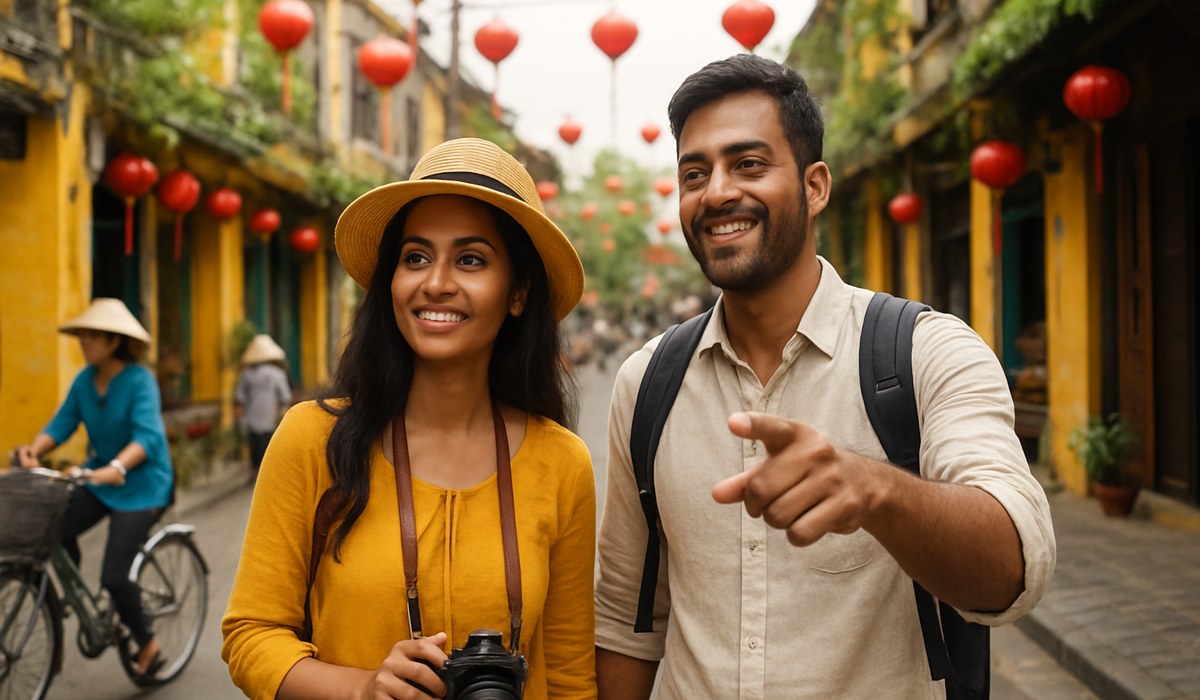
Image generated by AI
Quick Summary
- Vietnam sees unprecedented surge in Indian visitor numbers throughout early 2026
- Positioned as Southeast Asia's safest option with stable political climate and low crime rates for tourists
- Daily expenses 40-60% lower than competing destinations across accommodation, food, and activities
- Authentic cultural experiences attract travelers seeking meaningful connections beyond typical resort experiences
While international tourism charts remain volatile heading into mid-2026, Vietnam is quietly reshaping itself as the world's most strategic travel choice for Indian visitors. The Southeast Asian nation combines three rarely-aligned attributes: genuine safety standards, wallet-friendly pricing, and profound cultural authenticity.
Recent data from the UN World Tourism Organization indicates Vietnam has moved into the top five global recovery destinations, with Indian travelers representing the fastest-growing visitor segment since January 2026. Airlines operating India-Vietnam routes report 78% capacity utilization on average, a dramatic shift from previous years.
Why Vietnam Is Winning Over Indian Travelers in 2026
The appeal transcends simple tourism marketing. India's diaspora communities in Vietnam have expanded significantly, creating informal networks that ease travel planning. Moreover, visa acquisition timelines for Indian nationals have shortened from 7-10 business days to 24-48 hours through streamlined e-visa channels—a practical advantage over Thailand and Indonesia.
Currency dynamics play a substantial role. The Indian rupee maintains favorable exchange rates against Vietnam's dong, meaning travelers stretch budgets further than they would across competing Southeast Asian nations. A mid-range hotel room costs ₹1,500-2,500 per night; comparable Bangkok accommodations run 40% higher.
Cultural resonance matters too. Vietnamese society values education, family networks, and long-term relationships—values that Indian travelers recognize in their own contexts. Cricket clubs have sprung up in Ho Chi Minh City and Hanoi, paralleling growing enthusiasm among younger travelers. This mirrors broader sporting trends, much like how India's youth follows emerging athletes; while many know about cricket sensations making headlines, travel enthusiasts find Vietnam's emerging sports culture equally fascinating.
The destination's neutral geopolitical positioning attracts travelers fatigued by tourism hotspots caught in regional tensions. Vietnam maintains balanced diplomatic relationships, translating into stable visitor experiences without the security anxieties affecting some neighboring countries.
Safety First: Vietnam's Track Record for International Visitors
Vietnam's safety reputation has strengthened considerably throughout 2025 and into 2026. Petty theft rates in tourist zones have declined by 23% year-over-year, according to Hanoi's tourism police division. Violent crime targeting foreigners remains exceptionally rare—far rarer than in Bangkok, Manila, or Jakarta.
The country's rapid urbanization and modernization have improved infrastructure safety markedly. Traffic, historically chaotic, has become more regulated through dedicated cycling lanes and pedestrian zones in major cities. Hanoi and Ho Chi Minh City both deployed expanded CCTV networks in tourist districts during 2025, with visible police presence in market areas.
Healthcare access for visitors has dramatically improved. Major cities host internationally-accredited hospitals with English-speaking staff. Travel insurance remains affordable; comprehensive coverage costs roughly ₹400-600 for two-week visits.
Women travelers particularly note Vietnam's progressive social attitudes. Female-led tourism businesses, guesthouses, and tour operators outnumber those in neighboring countries. Solo travelers report comfort levels comparable to or exceeding Thailand—traditionally the region's "safest" destination for independent visitors.
Stretching Your Rupees: The Affordability Advantage
Vietnam's cost structure remains the region's most favorable for budget-conscious travelers. Meals at street-side pho stalls cost ₹80-150; restaurant dinners with wine run ₹600-1,200 per person. Compare this to Thailand (₹200-400 for street food) or Bali (₹250-500), and Vietnam's advantage becomes immediately apparent.
Accommodation spans every budget tier. Dormitory beds in hostels: ₹300-500 per night. Mid-range hotels: ₹1,500-2,500. Luxury properties: ₹5,000-8,000. This spectrum means Indian families with varying budgets find suitable options.
Domestic transport costs dramatically less than flights. Bus networks connecting Hanoi, Da Nang, and Ho Chi Minh City charge ₹400-800 for overnight journeys with sleeper berths. Train tickets offer similar pricing with added romance and sightseeing along routes through red-earth countryside and karst formations.
Activity pricing remains remarkably accessible. Half-day Ha Long Bay cruises: ₹1,200-1,800. Mountain trekking guides: ₹600-900 daily. Cooking classes: ₹1,000-1,500 per person. Motorcycle rental for exploring rural regions: ₹250-400 daily.
For travelers planning extended stays—increasingly common among digital nomads and remote workers from India—monthly apartment rentals in Hanoi or Ho Chi Minh City range from ₹8,000-15,000 furnished. This makes Vietnam viable for multi-month explorations alongside work commitments.
Cultural Immersion Beyond the Beaten Path
Vietnam's cultural depth attracts travelers exhausted by Instagram-filtered tourism experiences. National Geographic Travel has increasingly featured Vietnam's artisanal traditions, from silk weaving in Ha Dong to pottery craftsmanship in Bat Trang.
The country hosts over 8,000 temples and pagodas, many actively used for worship rather than preserved as museums. Visitors witness daily religious practices, monk ceremonies, and community rituals absent from commercialized Buddhist sites in Thailand. Sapa's highland communities maintain traditional markets where ethnic minorities trade goods much as they have for centuries.
Street food culture provides education alongside nourishment. Vietnamese cooking reflects Chinese, French, and indigenous influences layered across centuries. Learning regional variations—Hue's imperial cuisine, Hanoi's northern nuances, southern Ho Chi Minh City's bolder flavors—offers culinary anthropology. Lonely Planet consistently recommends Vietnam's food tours as among Asia's most enriching educational experiences.
Sustainable tourism initiatives increasingly define Vietnam's cultural landscape. Communities near Mekong Delta villages organize homestays where guests participate in daily agricultural rhythms—harvesting rice, fishing traditional methods, cooking family meals. These experiences generate income while preserving cultural practices that might otherwise erode.
Vietnam's artistic communities thrive with minimal commercialization. Contemporary galleries in Hanoi's French Quarter and Ho Chi Minh City's District 1 showcase emerging artists without the price inflation affecting Bangkok's art scene. Street art movements transform urban areas into open-air galleries reflecting modern Vietnamese identity alongside historical consciousness.
The emerging focus on Energy Alternatives Surge has positioned Vietnam as a responsible travel destination. The country's renewable energy initiatives—vast wind farms in coastal regions, solar installations across industrial zones—allow conscious travelers to support sustainable development while exploring.
Practical Travel Guide: Getting to Vietnam from India
Direct flight options have expanded considerably for Indian travelers. Air India, Vietjet Air, and Indigo operate daily or near-daily connections from Delhi, Mumbai, Bangalore, and Kolkata to Hanoi (Noi Bai) and
Disclaimer
This article is for informational and educational purposes only. It does not constitute legal, financial, or professional advice. While we strive to provide accurate and up-to-date information, travel policies, regulations, and conditions change rapidly. Always verify information with official sources before making travel decisions. Nomad Lawyer makes no representations about the accuracy, reliability, completeness, or suitability of the information provided. Readers should consult qualified professionals for advice specific to their circumstances. The views expressed in this article are those of the author and do not necessarily reflect the views of Nomad Lawyer.
Kunal K Choudhary
Co-Founder & Contributor
A passionate traveller and tech enthusiast. Kunal contributes to the vision and growth of Nomad Lawyer, bringing fresh perspectives and driving the community forward.
Learn more about our team →