
Germany Eerie Abandoned: Berlin's Forgotten Amusement Park Becomes Cultural Beacon in 2026
Germany eerie abandoned amusement park in Berlin has officially reopened as a vibrant cultural destination in 2026, blending nostalgic industrial aesthetics with contemporary art installations and creative spaces for travelers seeking unique experiences.

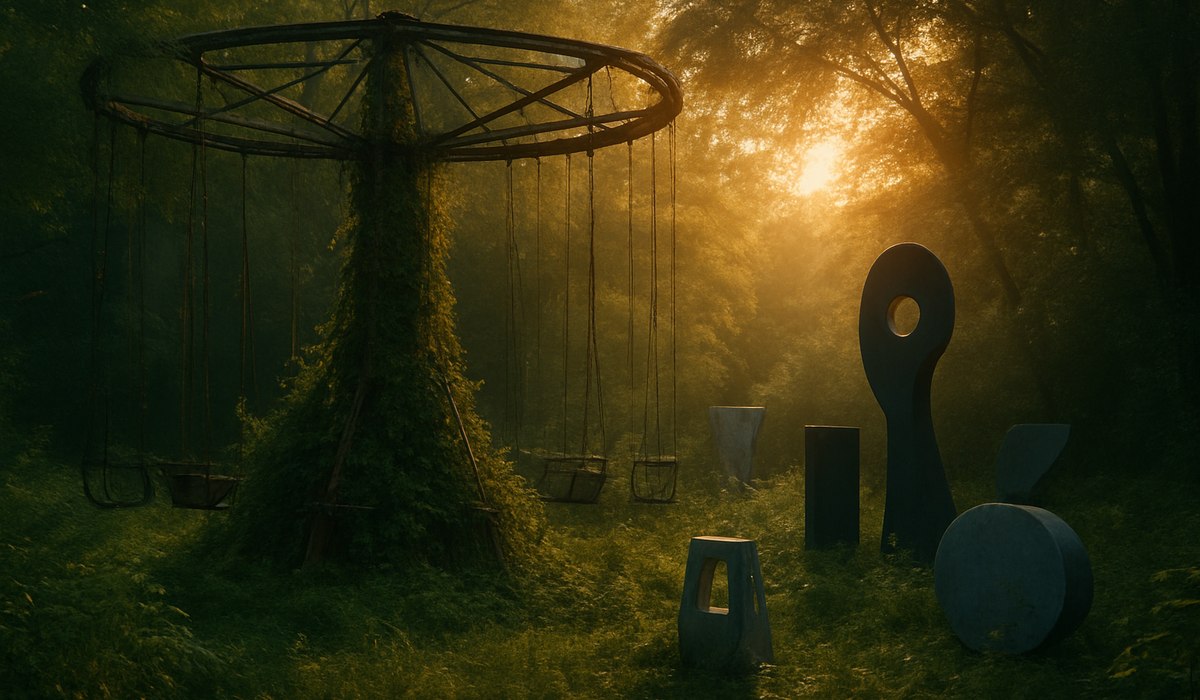
Image generated by AI
Berlin's Haunting Playground Emerges as Creative Cultural Hub
Germany's most intriguing eerie abandoned amusement park has undergone a remarkable metamorphosis. Once a forgotten relic collecting dust in Berlin's outskirts, this decaying wonderland now welcomes cultural enthusiasts and adventurous travelers as a thriving artistic destination in 2026. The transformation marks a significant shift in how European cities repurpose industrial heritage, converting what was once a symbol of nostalgia and urban decay into a vibrant ecosystem where art, nature, and community converge.
The park's resurrection speaks to a broader European trend of adaptive reuse, where derelict spaces become canvases for creative expression. Visitors arriving in Berlin now find themselves drawn to this compelling destination, eager to experience how Germany eerie abandoned structures have been reimagined without erasing their haunting character.
From Thrill-Seeking Destination to Cultural Landmark
The park's history as a functioning amusement venue is now part of its mystique. For decades, families and thrill-seekers rode vintage attractions through manicured grounds. When economic challenges forced closure, the site languished—rusting carnival rides, overgrown pathways, and decaying structures created an eerie abandoned atmosphere that fascinated urban explorers and photographers.
Today's reimagining preserves this atmospheric quality while infusing fresh purpose. Cultural organizations have partnered with the city to establish artist residencies, gallery spaces, and performance venues throughout the grounds. The amusement park's architecture, from ticket booths to pavilions, now serves as exhibition space. This Germany eerie abandoned transformation demonstrates how heritage preservation and contemporary creativity can coexist harmoniously.
More information about Berlin's cultural initiatives is available through Berlin's official tourism board.
Art Installations and Creative Spaces
Contemporary artists have claimed the park as their canvas. Multi-sensory installations dot the landscape, from immersive light sculptures tucked within deteriorating ride structures to large-scale murals adorning maintenance buildings. The contrast between decay and artistic brilliance creates powerful visual narratives that resonate with visitors seeking unconventional cultural experiences.
Gallery spaces operate within restored pavilions, showcasing emerging and established artists who draw inspiration from the site's industrial character. Regular rotating exhibitions ensure each visit offers fresh perspectives. Performance spaces host experimental theater, live music events, and multimedia presentations that leverage the park's unique acoustics and architectural quirks.
Photography enthusiasts flock to this Germany eerie abandoned destination, capturing juxtapositions of nature reclaiming human structures alongside carefully curated artworks. The park has become Instagram-famous, attracting design students, creative professionals, and cultural tourists from across Europe. Regular artist talks and guided tours provide context for installations, enriching visitor understanding.
For more detailed venue information and exhibition schedules, check TripAdvisor's Berlin attractions listings.
Exploring the Greenery and Outdoor Experience
Nature has claimed significant territory throughout the grounds, and park developers embraced this rather than fighting it. Wildflower meadows, native tree groves, and spontaneous vegetation create picturesque natural corridors that surprise and delight visitors. Woodland pathways wind through the property, offering moments of serene reflection between cultural experiences.
The fusion of amusement park infrastructure with wild nature creates botanical theater. Vines climb rusting Ferris wheel frameworks. Trees grow through abandoned concession stands. Native birds now inhabit what were once human-designed attractions. This accidental ecosystem restoration has attracted environmental researchers and nature photographers alongside art enthusiasts.
Landscaping interventions balance preservation with safety. Designated walking trails guide visitors through both manicured sections and wilder zones. Benches positioned at scenic overlooks encourage lingering. Seasonal changes transform the park dramatically—spring brings wildflower blooms, autumn offers dramatic golden light filtering through skeletal structures. This makes repeated visits worthwhile throughout the year.
Best Time to Visit
The optimal visiting window depends on your preferences. Spring through early autumn offers reliable weather and full programming of cultural events, making April through September ideal for most travelers. Summer crowds peak in July and August, while September provides pleasant temperatures with fewer visitors.
Spring (April-May) showcases wildflower blooms and reopening cultural programming with milder crowds. Autumn (September-October) delivers dramatic atmospheric lighting, rich colors, and comfortable temperatures without summer congestion. Winter visits (November-February) create ethereal scenes with frost-covered structures and minimal crowds, though some outdoor installations close seasonally. The park operates year-round, but spring and fall represent the sweet spot for experiencing both natural beauty and cultural programming.
How to Get There
Berlin's excellent public transportation system provides straightforward access. The park lies approximately 20 kilometers southeast of central Berlin, reachable via S-Bahn regional trains departing from Ostbahnhof or Lichtenberg stations. The journey takes 25-35 minutes depending on your departure point. Regional bus services also serve the location, though trains prove more reliable.
Those renting cars will find adequate parking on-site, though public transit remains the recommended approach given Berlin's congestion patterns. The park entrance features clear signage from major roads. International visitors arriving at Berlin's airports (BER Brandenbourg) can reach the destination within 90 minutes via public transportation. Accommodation options throughout Berlin offer convenient bases for day visits.
Visitor Information and Travel Tips
Admission pricing remains affordable, with discounts for students and groups. Hours extend from 10 AM through sunset daily, with extended evening hours during summer months. Guided tours operated by local historians and artists run several times weekly, providing contextual narratives that enhance understanding of both the site's amusement park heritage and contemporary artistic vision.
Comfortable walking shoes prove essential—the grounds cover substantial acreage with uneven terrain in places. Weather-appropriate clothing matters; the open landscape provides limited shade. Bring water and snacks, as on-site food options remain minimal. Photography restrictions apply only to specific gallery spaces; outdoor areas welcome documentation. Many installations feature interpretive signage explaining artistic concepts and historical context.
The site remains family-friendly with children's exploration areas, though the somewhat eerie abandoned aesthetic may unsettle very young visitors. Groups should pre-book tours to ensure availability. Accessibility accommodations exist but aren't universal throughout the grounds, so visitors with mobility considerations should contact management in advance.
Key Data Table
| Feature | Details |
|---|---|
| Location | 20 km southeast of Berlin city center, Germany |
| Opening Year (Current Iteration) | 2026 |
| Primary Activities | Contemporary art exhibitions, guided tours, photography, nature walks |
| Best Visiting Season | April-May, September-October |
| Average Visit Duration | 2-4 hours |
| Public Transit Access | S-Bahn trains from Berlin city center (25-35 minutes) |
| Admission Cost | €12-18 (varies with programming) |
| Operating Hours | 10 AM-sunset daily (extended in summer) |
| Guided Tour Availability | Multiple daily departures (booking recommended) |
| Photography Policy | Generally permitted outdoors; restrictions in select galleries |
| Accessibility | Partial; contact ahead for specific accommodations |
What This Means for Travelers
This transformation creates compelling reasons to explore Berlin beyond traditional tourist circuits. Here's what the 2026 reopening means for your travel planning:
-
Unique Cultural Experience: Germany eerie abandoned sites rarely receive thoughtful cultural programming. This park represents a rare opportunity to experience industrial heritage reimagined through contemporary art without losing atmospheric authenticity.
-
Photography Paradise: The visual contrast between decay and creativity makes this ideal for photographers seeking distinctive European destinations. Instagram-worthy moments emerge naturally throughout the grounds rather than feeling manufactured.
-
Extended Berlin Itineraries: The site justifies dedic
Disclaimer
This article is for informational and educational purposes only. It does not constitute legal, financial, or professional advice. While we strive to provide accurate and up-to-date information, travel policies, regulations, and conditions change rapidly. Always verify information with official sources before making travel decisions. Nomad Lawyer makes no representations about the accuracy, reliability, completeness, or suitability of the information provided. Readers should consult qualified professionals for advice specific to their circumstances. The views expressed in this article are those of the author and do not necessarily reflect the views of Nomad Lawyer.
Kunal K Choudhary
Co-Founder & Contributor
A passionate traveller and tech enthusiast. Kunal contributes to the vision and growth of Nomad Lawyer, bringing fresh perspectives and driving the community forward.
Learn more about our team →