
Geopolitics Push Luxury Travelers Toward Africa in 2026
Geopolitical instability across the Middle East and Europe is accelerating luxury traveler migration to African safari destinations in 2026. High-net-worth travelers now favor Kenya, Tanzania, Botswana, and South Africa.

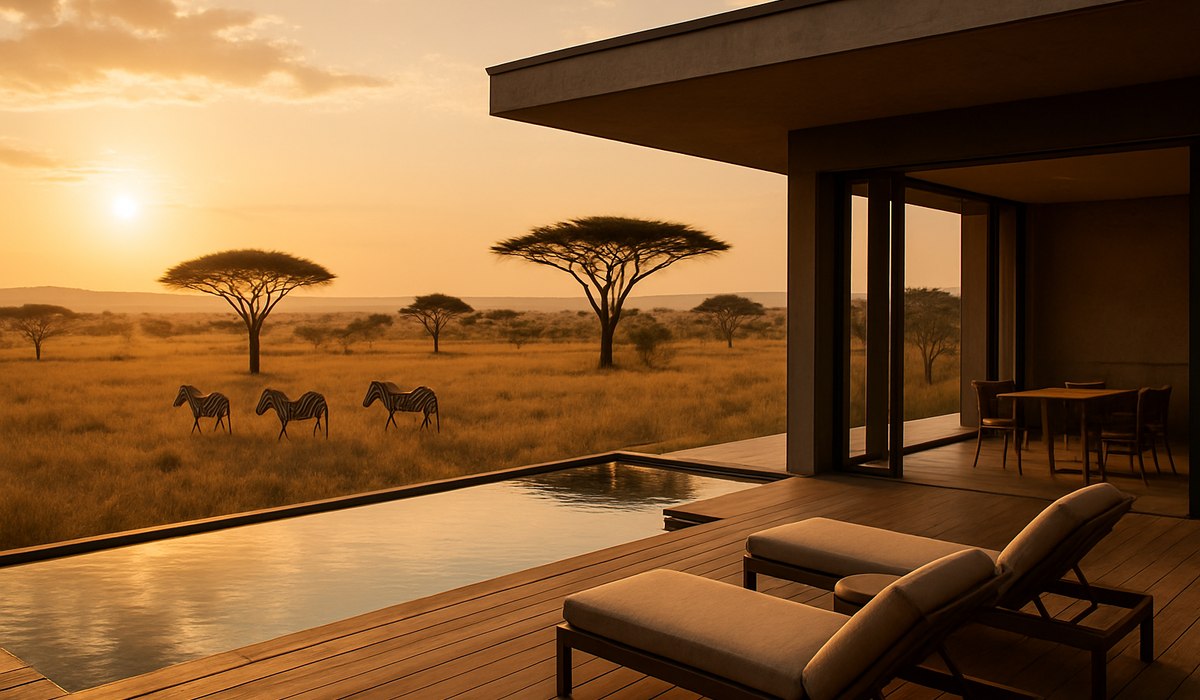
Image generated by AI
Geopolitical Tensions Redirect Luxury Travel to African Safaris
Escalating conflicts in the Middle East and Europe are fundamentally reshaping where affluent travelers spend their vacations in 2026. High-net-worth individuals are abandoning traditionally favored luxury destinations in conflict-prone regions and redirecting their travel budgets toward African safari circuits, particularly Kenya, Tanzania, South Africa, and Botswana. This shift represents a pivotal moment for the continent's tourism sector, as geopolitics push luxury travelers toward Africa at an unprecedented scale.
Global Tensions Redraw the Luxury Travel Map
The luxury travel industry is experiencing a tectonic shift driven by compounding geopolitical risks. Flight disruptions linked to military escalation around Iran, combined with recurring airspace closures, have introduced substantial uncertainty for routes connecting North America, Europe, and the Gulf region. These aviation vulnerabilities directly impact affluent travelers who depend on seamless long-haul connectivity.
Major industry consultancies report that Europe's luxury sector faces headwinds as tourist inflows decline. Meanwhile, earlier forecasts positioning the Middle East as a star performer are being reassessed in light of ongoing instability. High-net-worth travelers are increasingly reluctant to commit to trips in perceived flashpoint regions, particularly when itineraries depend on vulnerable aviation hubs.
Against this backdrop, Africa's safari destinations have emerged as compelling alternatives. Specialist travel agencies note that premium demand is being systematically redirected toward wildlife areas in East and Southern Africa, which remain thousands of miles from current conflict zones and fully accessible to international air traffic. For affluent travelers seeking stability, privacy, and exclusivity, the continent's leading safari circuits are transitioning from niche offerings to mainstream luxury choices. This acceleration builds on preexisting trends, as ultra-high-net-worth travelers were already attracted to Africa's conservation-focused experiences and design-led lodges before recent crises intensified the migration pattern.
Why Africa Is Becoming the Preferred Safe Haven
Africa's safari destinations offer more than just geographic distance from conflict. The continent provides a compelling combination of natural authenticity, cutting-edge lodge design, and genuine exclusivity that appeals to 2026's most discerning travelers.
Kenya stands at the forefront of this transformation, leveraging its iconic wildlife and next-generation hospitality infrastructure. Recent lodge launches in Laikipia and the Mara Triangle showcase minimalist architecture paired with immersive wilderness settings. North American and European travelers who previously divided vacations between Middle Eastern city breaks and safari extensions now commit entire trips to East Africa.
Tanzania reinforces this momentum through marquee landscapes including Serengeti National Park, Ngorongoro Conservation Area, and Zanzibar. New lodge openings scheduled for 2025 and 2026 feature expansive suites, private plunge pools, and fine dining that compete with global luxury benchmarks. The composition of guest profiles is shifting noticeably, with higher bookings from travelers who might have previously chosen Gulf city stays or Mediterranean cruises.
Botswana's Okavango Delta and Central Kalahari offer unparalleled privacy and wildlife encounters. South Africa combines world-class safari experiences in Kruger National Park with coastal sophistication, appealing to travelers seeking both adventure and refined comfort.
Visit the African Travel Association for comprehensive regional information and travel advisory resources before booking.
East and Southern Africa's Safari Circuit Gains Mainstream Appeal
The safari circuit connecting Kenya, Tanzania, Botswana, and South Africa is becoming the luxury travel itinerary of choice for 2026. Regional carriers have expanded connections through hub cities like Nairobi and Dar es Salaam, making multi-country journeys seamless and efficient.
High-end travelers increasingly package multi-week East and Southern Africa experiences as self-contained journeys spanning ten to fourteen nights. These itineraries deliver comprehensive big-game viewing, conservation encounters, and leisurely retreat time without requiring risky multi-region positioning. The circuit model appeals to travelers seeking substantial immersion rather than brief stopover experiences.
Many 2026 lodge openings emphasize sustainability credentials, featuring small environmental footprints, renewable energy systems, and community partnerships. This alignment with wealthy travelers' environmental consciousness distinguishes African safaris from conventional luxury alternatives. Conservation-focused experiences are no longer secondary amenities but central value propositions.
The mainstream appeal extends across demographic segments within the affluent market. Ultra-high-net-worth individuals seek maximum privacy and bespoke experiences, while high-net-worth families value educational wildlife encounters and multigenerational accommodation options. Solo luxury travelers and couples appreciate the romantic appeal of African wilderness combined with premium service standards.
What This Means for Luxury Travel in 2026
The geopolitics push luxury travelers toward Africa trend signals lasting structural changes in high-end tourism patterns. Industry projections suggest African destinations will capture an estimated 18-22% of global luxury travel spending by 2026, up from 12-15% in 2024. This represents billions of dollars redirected from traditional Mediterranean, Middle Eastern, and European corridors.
Key implications for luxury travel in 2026:
- African safari destinations will experience sustained booking momentum throughout the year, with demand peaking during traditional migration seasons (July-October, December-January)
- Lodge availability will tighten as premium properties fill with international clientele, necessitating early booking strategies
- Regional hotel and lodge operators will invest substantially in infrastructure, staffing, and amenities to meet luxury market expectations
- Multi-country African itineraries will become standard offerings from major luxury travel agencies and specialists
- Geopolitical risk assessment will remain central to travel planning decisions, influencing destination selection across all market segments
Comparative Luxury Safari Destination Data (2026)
| Destination | Peak Season | Avg. Nightly Lodge Cost | Primary Wildlife | Accessibility | Safety Rating |
|---|---|---|---|---|---|
| Kenya (Masai Mara) | July-October | $1,200-$3,500 | Lion, elephant, wildebeest | Excellent | High |
| Tanzania (Serengeti) | July-October | $1,000-$3,200 | Wildebeest, zebra, predators | Very Good | High |
| Botswana (Okavango) | April-October | $1,500-$4,000 | Elephant, buffalo, big cats | Good | High |
| South Africa (Kruger) | Year-round | $900-$2,800 | All major species | Excellent | High |
| Zanzibar (Tanzania) | June-October | $600-$2,500 | Coastal, marine | Excellent | High |
What This Means for Travelers
Luxury travelers planning 2026 vacations should incorporate several strategic considerations:
1. Book Early for Peak Seasons: Premium lodge availability in East and Southern Africa is tightening rapidly. Travelers seeking specific properties or preferred dates should commit to bookings 6-9 months in advance to secure premium inventory.
2. Embrace Multi-Country Itineraries: Design journeys spanning Kenya, Tanzania, and Botswana to maximize wildlife diversity and landscape variety. Regional flight connections have improved substantially, making multi-destination packages logistically efficient.
3. Prioritize Sustainability-Certified Properties: Select lodges demonstrating genuine conservation commitments, community investment, and environmental stewardship. These properties offer enhanced experiences while supporting legitimate African tourism development.
4. Consider Travel Insurance Enhancements: Purchase comprehensive travel insurance addressing geopolitical risks, including coverage for flight cancellations linked to airspace closures or aviation disruptions.
5. Plan Longer Stay Durations: Allocate 10-14 days for African safari experiences to justify long-haul travel times and maximize immersion in wildlife and cultural encounters. Shorter trips underutilize the geographic investment.
Frequently Asked Questions
**Q: Is
Disclaimer
This article is for informational and educational purposes only. It does not constitute legal, financial, or professional advice. While we strive to provide accurate and up-to-date information, travel policies, regulations, and conditions change rapidly. Always verify information with official sources before making travel decisions. Nomad Lawyer makes no representations about the accuracy, reliability, completeness, or suitability of the information provided. Readers should consult qualified professionals for advice specific to their circumstances. The views expressed in this article are those of the author and do not necessarily reflect the views of Nomad Lawyer.
Preeti Gunjan
Contributor & Community Manager
A passionate traveller and community builder. Preeti helps grow the Nomad Lawyer community, fostering engagement and bringing the reader experience to life.
Learn more about our team →