
Future of Luxury Travel Unveiled as Wellness Tourism Becomes a Powerful New Hospitality Asset Class
Future of Luxury Travel Unveiled as Wellness Tourism Becomes a Powerful New Hospitality Asset Class

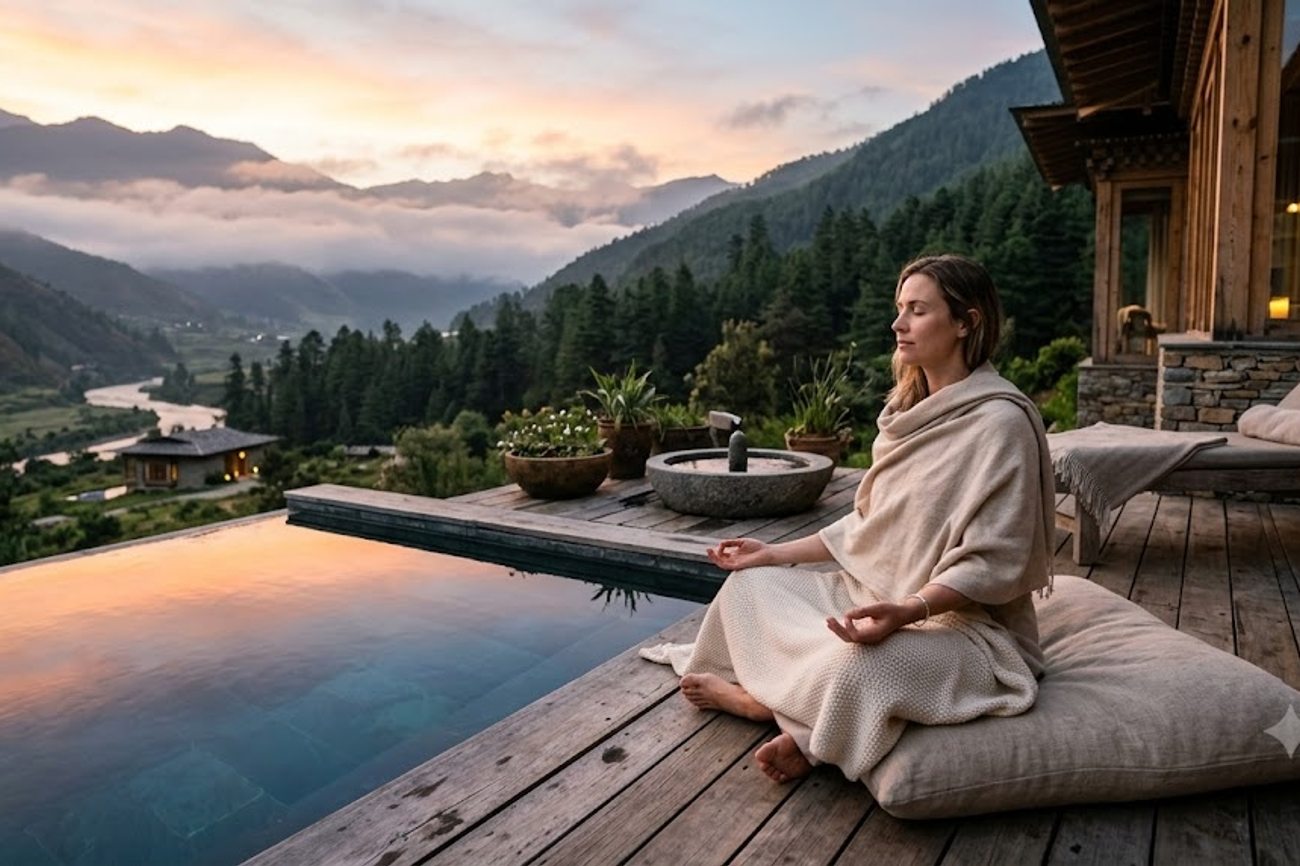
Image generated by AI
The Shift Toward Longevity Hospitality
Wellness hotels are now generating more than double the Total Revenue Per Available Room (TRevPAR) compared to traditional properties. While a standard hotel might see a TRevPAR of approximately $160, properties with deep wellness integration are hitting around $334. This financial leap proves that the modern traveler is no longer just paying for a bed, but for a measurable improvement in their biological age and mental state.
The Evolution of the Wellness Stay
For decades, the hospitality industry treated "wellness" as a peripheral amenity—a gym in the basement or a massage menu in the lobby. We are currently witnessing a systemic pivot where health is the primary product, not a side service. The industry is moving toward a model that blends real estate, medical science, and hospitality into a single integrated experience.
This transition is most evident in the rise of longevity travel, a sector projected to become a $44 billion global market by 2030. Unlike traditional spa tourism, which focuses on temporary relaxation, longevity travel is rooted in preventative healthcare. Guests are arriving at resorts seeking comprehensive health assessments, sleep optimization protocols, and recovery therapies designed to extend their healthy lifespan. The goal has shifted from "feeling relaxed" to "achieving results."
The investment landscape is reacting accordingly. We are seeing a surge in mixed-use developments and branded residences where the line between a vacation and a health clinic blurs. For the investor, this creates a diversified income stream. Instead of relying solely on room nights, these properties monetize personalized nutrition plans, diagnostic health screenings, and long-term lifestyle coaching.
What Makes Longevity Tourism Different
The core distinction lies in personalization and data. The new era of wellness is driven by a demand for biological specificity. A luxury traveler today doesn't want a generic "detox package"; they want a regimen based on their specific biomarkers.
This shift is manifesting in several key areas:
- Precision Nutrition: Moving beyond "healthy eating" to diets tailored to an individual's metabolic needs and gut health.
- Sleep Engineering: The integration of circadian lighting, sound-masking technology, and temperature-controlled environments to ensure restorative sleep.
- Recovery Science: The use of advanced therapies—such as cryotherapy or hyperbaric oxygen—to accelerate physical repair.
- Psychological Integration: A focus on mental fortitude and stress reduction that goes deeper than a simple meditation session.
By integrating these elements, resorts are transforming into "health hubs." This is no longer reserved for the ultra-wealthy leisure class. There is a growing trend of corporate travelers demanding these services to combat the burnout associated with high-pressure business trips, turning wellness into a standard requirement for the modern professional.
Visitor Insider Tips
If you are seeking a truly transformative wellness experience rather than a curated tourist package, you need to look beyond the brochure.
Timing Your Visit Avoid the "wellness peaks" of January (the resolution crowd) and late spring. To get the most personalized attention from practitioners and specialists, visit during the shoulder seasons of October or November. You will find that the staff-to-guest ratio is more favorable, allowing for deeper consultations.
Vetting the Experience When choosing a longevity retreat, ask for the specific credentials of their medical staff. A legitimate longevity center should be able to explain their diagnostic process—whether they use blood markers, DNA testing, or wearable data—before you arrive. If the "wellness plan" is the same for every guest, it is a spa, not a longevity center.
The integration of medical-grade wellness facilities into luxury resorts is transforming hospitality into a strategic asset class focused on longevity and preventative health. This shift aligns with global tourism trends promoted by the Global Wellness Institute, where holistic health experiences now drive significant increases in average daily rates and guest loyalty.
Local Integration The most effective wellness stays are those that leverage the geography. If you are visiting a destination known for its natural springs or mountain air, prioritize activities that utilize the local environment. For example, if you are in a region recognized by UNESCO World Heritage for its natural landscapes, opt for "forest bathing" or guided nature treks over indoor gym sessions.
Transport and Arrival Many high-end wellness resorts are located in remote areas to ensure tranquility. To avoid the stress of transit—which can undo the benefits of your stay—arrange for a private transfer through the resort. Check the Official Tourism Boards of your destination for updated guidelines on regional transport hubs to ensure a seamless transition from the airport to the retreat.
Cultural and Environmental Context
The rise of longevity tourism brings a complex interaction between global wealth and local communities. When a luxury wellness resort is established in a rural or underdeveloped area, there is a risk of creating a "wellness bubble" where high-tech health services are available to guests but inaccessible to the local population.
The most sustainable models are those that integrate local traditional medicine and indigenous wellness practices into their modern scientific framework. This creates a symbiotic relationship where local knowledge is valued and preserved, and the community benefits from the infrastructure investments.
Furthermore, the environmental footprint of "high-tech" wellness—which often involves energy-intensive machinery and imported organic supplements—is under scrutiny. The next generation of these resorts is moving toward "regenerative travel," where the goal is not just to heal the guest, but to improve the health of the surrounding ecosystem. This includes onsite permaculture gardens that feed guests and local villages alike, and the use of carbon-neutral building materials.
FAQ: Visiting Wellness Resorts 2026
What is the best time to visit a wellness retreat? Visit during shoulder seasons (typically autumn or spring) to avoid peak crowds and secure more one-on-one time with health specialists and practitioners.
Do I need a medical background to participate in longevity programs? No. These programs are designed to be guided. You will typically start with a health assessment conducted by the resort's specialists who will then tailor a plan for you.
How do I get to these remote resorts from major hubs? Most luxury wellness destinations provide curated transport. It is recommended to book these through the resort to ensure a stress-free arrival that aligns with your wellness goals.
Is wellness tourism only for luxury travelers? No. While high-end longevity clinics exist, wellness is integrating into mid-range hotels through improved nutrition, better sleep amenities, and corporate wellness packages for business travelers.
Stop treating your vacation as an escape from your life and start treating it as an investment in your longevity.
Related Travel Guides
- Thailand Draws Food Travellers With Exclusive Torino Inspired Menu at Four Seasons Hotel Bangkok
- Greece, Turkiye And More Eurasian Countries Enter Post-DMA Tourism Shift as Hotels Build Direct-to-Guest Ecosystems
- Plaza Premium Group Sets New Aviation Benchmark With Global Lounge Award and 10-Year Skytrax Winning Journey
Disclaimer
This article is for informational and educational purposes only. It does not constitute legal, financial, or professional advice. While we strive to provide accurate and up-to-date information, travel policies, regulations, and conditions change rapidly. Always verify information with official sources before making travel decisions. Nomad Lawyer makes no representations about the accuracy, reliability, completeness, or suitability of the information provided. Readers should consult qualified professionals for advice specific to their circumstances. The views expressed in this article are those of the author and do not necessarily reflect the views of Nomad Lawyer.
Naina Thakur
Contributor & Travel Specialist
Travel enthusiast and legal writer covering visa regulations, responsible tourism, and cultural journeys across global destinations.
Learn more about our team →