
Frontier Airlines Flight F93058 Raleigh to Boston Diversion: Airbus A320neo Technical Failure 2026
Frontier Flight F93058 from Raleigh-Durham to Boston was forced to execute an air turn back on August 5, 2026, following critical equipment malfunctions and cockpit alarms.

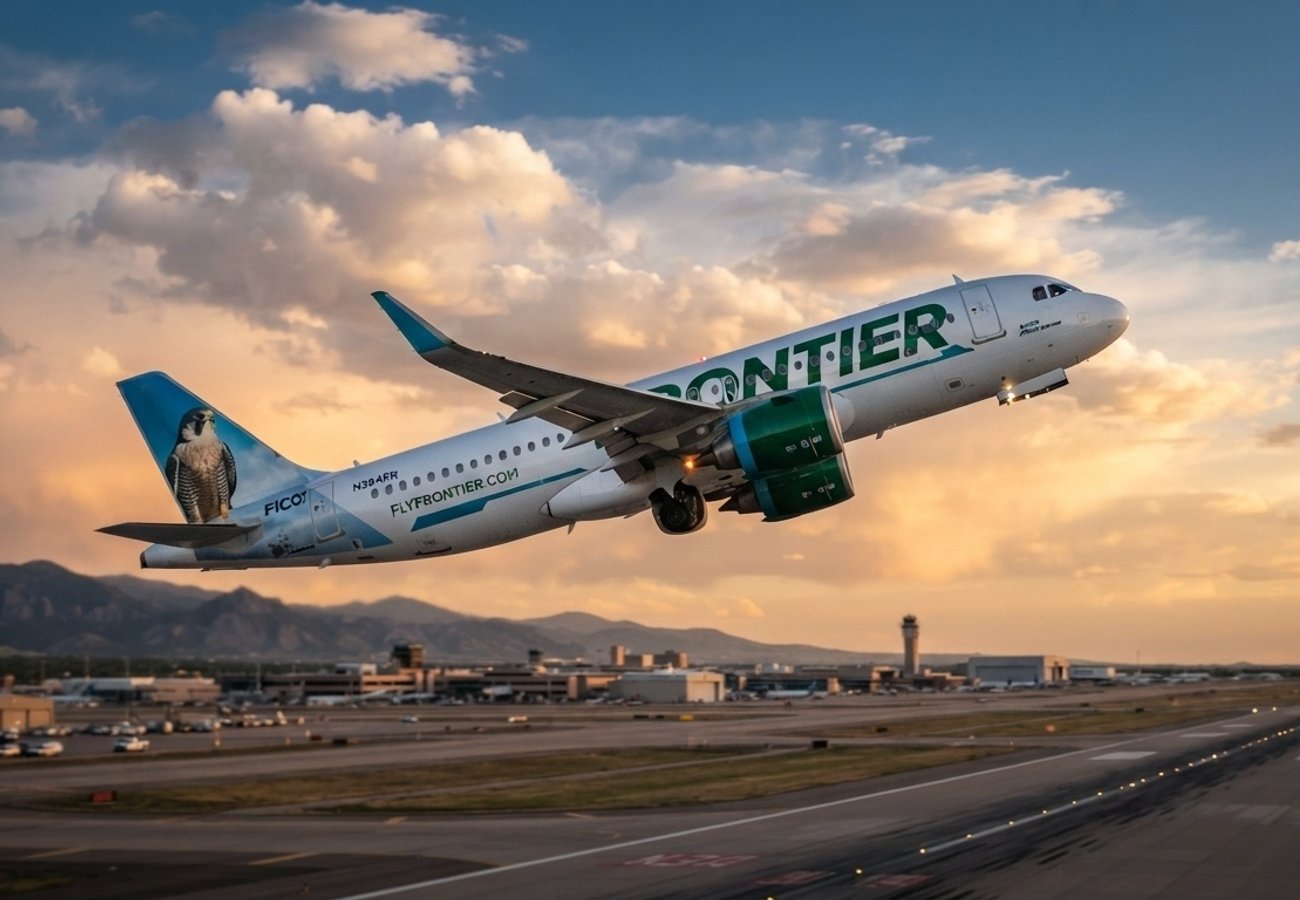
Image generated by AI
Frontier Airlines Flight F93058, bound for Boston, was forced to execute an emergency air turn back to Raleigh-Durham on August 5, 2026. The diversion was triggered by multiple cockpit alarms and equipment malfunctions shortly after takeoff.
Technical Failure and Flight Path Analysis
On August 5, 2026, Frontier Airlines flight F93058, operated by an Airbus A320neo (Registration: N393FR), departed Raleigh-Durham International Airport (RDU) destined for Boston Logan International Airport (BOS). Shortly after departure, the flight crew identified significant deviations in flight telemetry.
Flight tracking data and crew reports indicate that multiple alarms were triggered in the cockpit immediately following takeoff. These technical difficulties necessitated an immediate evaluation of the aircraft's airworthiness. Following standard aviation safety protocols, the pilots elected to perform an air turn back to the originating airport.
The decision to return to RDU was strategic. Our analysis of the operational logistics indicates that returning to the point of origin provided the crew with immediate access to Frontier's established maintenance infrastructure and ground service teams, avoiding the complications of landing at an unequipped alternate station.
Flight & Airport Impact Breakdown
The disruption resulted in the following operational impacts:
- Flight Number: F93058
- Aircraft Model: Airbus A320neo (N393FR)
- Route: Raleigh-Durham (RDU) $\rightarrow$ Boston Logan (BOS)
- Incident Type: Air Turn Back (ATB) / Diversion
- Primary Cause: Equipment malfunction and cockpit alarm activation
- Outcome: Safe return to RDU; passengers disembarked via ground staff assistance
Passenger Rights & Advisory
For the affected passengers of Flight F93058, this diversion falls under "controllable factors" if the malfunction was due to inadequate maintenance. Under U.S. Department of Transportation (DOT) guidelines and general aviation consumer policies, passengers are entitled to specific protections.
Rebooking and Sustenance Our analysis of current policy suggests that passengers are entitled to complimentary rebooking on the next available flight to Boston. If the delay is significant, the airline is expected to provide sustenance assistance (meal vouchers).
Refund Eligibility For passengers who choose not to accept the delayed alternative routing provided by Frontier, the airline must provide a full monetary refund for the unused portion of the ticket. This applies regardless of whether the ticket was "non-refundable," as the airline failed to complete the transport to the destination.
Documentation for Claims To ensure successful reimbursement or insurance claims, affected travelers should:
- Retain the original boarding pass for Flight F93058.
- Save all receipts for out-of-pocket expenses incurred during the delay.
- Request a written statement from the airline confirming the reason for the diversion.
Industry Analyst View
This incident highlights the rigorous nature of "Air Turn Back" protocols in modern aviation. The use of the Airbus A320neo's sophisticated telemetry allows crews to identify non-standard parameters early. By prioritizing a return to RDU over continuing to Boston, Frontier minimized the risk of a mid-air emergency and ensured the aircraft was serviced by a dedicated technical team.
From a logistics perspective, such diversions create immediate pressure on crew duty-time limits. Federal aviation rules strictly limit how long a pilot can remain on duty; therefore, a turnback often requires a complete reorganization of the flight crew before the aircraft can be cleared for takeoff again.
Safety protocols successfully neutralized a potential mechanical risk before it escalated.
Related Travel Guides
Disclaimer
This article is for informational and educational purposes only. It does not constitute legal, financial, or professional advice. While we strive to provide accurate and up-to-date information, travel policies, regulations, and conditions change rapidly. Always verify information with official sources before making travel decisions. Nomad Lawyer makes no representations about the accuracy, reliability, completeness, or suitability of the information provided. Readers should consult qualified professionals for advice specific to their circumstances. The views expressed in this article are those of the author and do not necessarily reflect the views of Nomad Lawyer.
Raushan Kumar
Founder & Lead Developer
Full-stack developer with 11+ years of experience and a passionate traveller. Raushan built Nomad Lawyer from the ground up with a vision to create the best travel and law experience on the web.
Learn more about our team →