
France Italy and Spain Face 40°C Heatwave and Fontainebleau Forest Wildfire Disrupting A6 Motorway and Rail 2026
Extreme heat exceeding 40°C and a massive 800-hectare wildfire in Fontainebleau are causing significant transport disruptions across France, Italy, and Spain during the 2026 peak summer season.

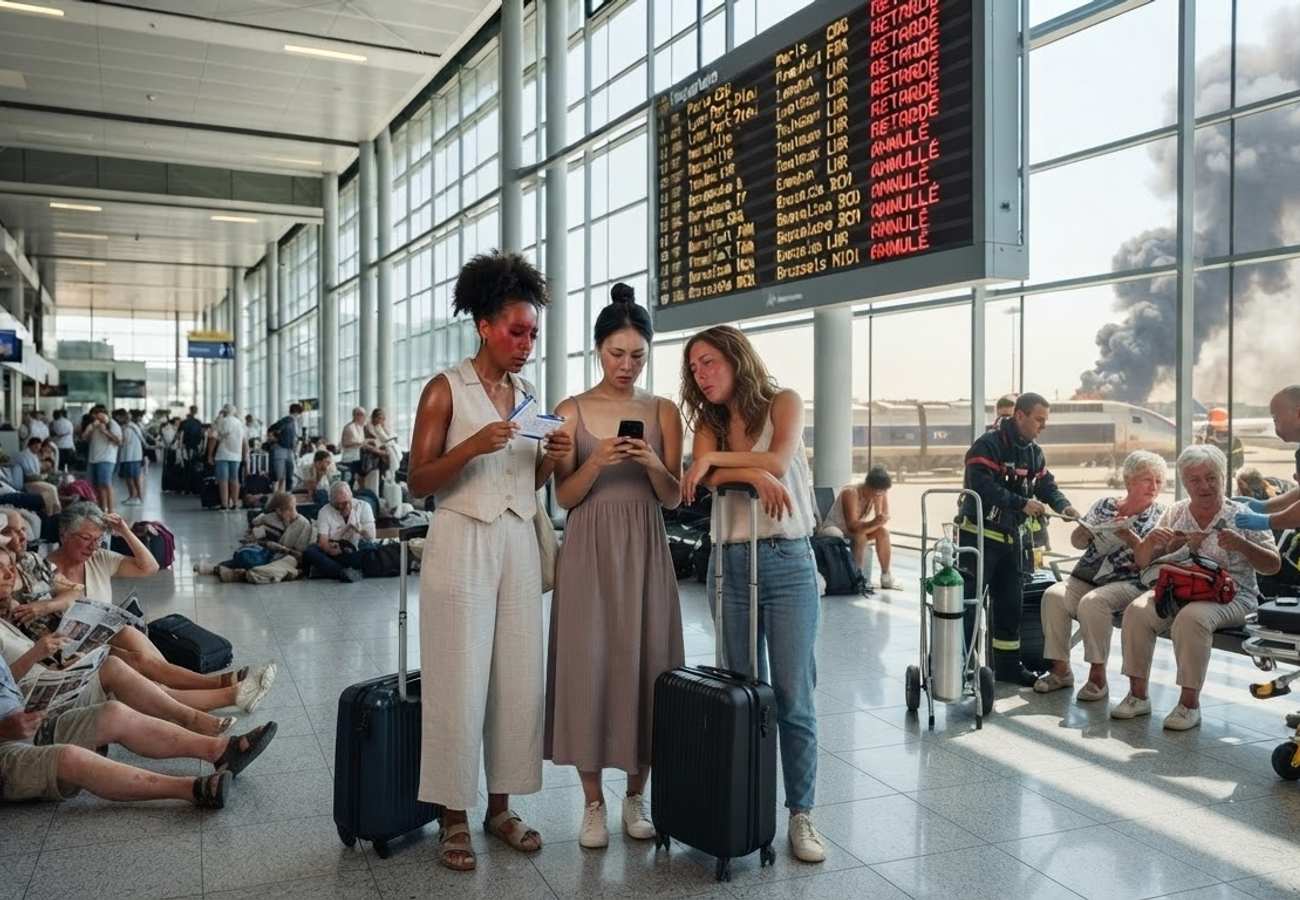
Image generated by AI
Extreme weather conditions across Western Europe have triggered critical transport failures and public health alerts, with temperatures surpassing 40°C and a major forest fire impacting key transit corridors near Paris.
The peak summer tourism season in France, Italy, and Spain is currently compromised by a dual crisis of extreme thermal stress and active wildfires. Our analysis indicates that the convergence of these events is creating significant operational bottlenecks for regional transport and altering the safety profile for millions of international visitors.
The Disruption Details
A severe heatwave has gripped Western Europe, with recorded temperatures exceeding 40°C across large sectors of France, Italy, and Spain. This climatic event has coincided with a fast-moving wildfire in the Fontainebleau Forest, situated approximately 60 km southeast of Paris.
The Fontainebleau blaze has scorched more than 800 hectares of woodland. Due to the scale of the fire, emergency services have implemented restrictive zones, leading to the closure of critical infrastructure and the suspension of regional activities.
Flight & Airport Impact Breakdown
While major aviation hubs remain operational, the primary disruptions are occurring in the "last-mile" transit from airports to regional destinations.
- Air Hubs: Paris-Orly (55 km from Fontainebleau) and Paris Charles de Gaulle (90 km from Fontainebleau) remain open; however, onward ground transport is heavily impacted.
- Road Infrastructure: Significant sections of the A6 motorway—a primary north-south artery connecting Paris to central and southern France—have been closed.
- Rail Services: Regional railway services serving areas south of Paris are experiencing operational disruptions and schedule changes.
- Local Access: Access to the Fontainebleau–Avon Station and the Château de Fontainebleau is subject to emergency authority restrictions.
Passenger Rights & Advisory (Information Gain)
Travelers facing delays or cancellations due to these environmental factors should be aware of their legal protections and operational rights.
Rebooking and Refunds Under EU Regulation 261/2004, passengers are generally entitled to a choice between a full refund or re-routing to their final destination. However, extreme weather and wildfires are typically classified as "extraordinary circumstances." While this may exempt airlines from paying monetary compensation for delays, the carrier is still obligated to provide a rerouting option or a refund.
Duty of Care If you are stranded at an airport or station due to the A6 motorway closures or rail disruptions, the transport provider must offer "duty of care." This includes:
- Food and refreshment vouchers commensurate with the wait time.
- Two telephone calls or emails.
- Hotel accommodation and transport between the airport/station and the hotel if an overnight stay becomes necessary.
Practical Safety Measures
- Heat Mitigation: Avoid all outdoor sightseeing between 12:00 and 16:00. Carry a minimum of 2 liters of water per person.
- Route Planning: Do not rely on GPS for the A6 motorway; consult official government traffic portals for real-time diversion data.
- Verification: Confirm the operational status of forest-based attractions (such as the Fontainebleau Forest and Barbizon Artists’ Village) directly with local authorities before departure.
Industry Analyst View
The 2026 summer season demonstrates a growing volatility in European tourism, where "climate-driven disruption" is moving from a peripheral risk to a core operational challenge. For carriers and transport operators, the closure of a primary artery like the A6 motorway creates a ripple effect that stresses secondary road networks and rail capacity.
The reliance on "just-in-time" travel schedules is increasingly incompatible with the frequency of 40°C+ heatwaves. We expect to see a shift in tourism patterns, where travelers begin to avoid "peak-heat" zones in July and August, potentially shifting the demand toward shoulder seasons or northern latitudes.
Stay vigilant and prioritize official government alerts over social media reports during active wildfire events.
Related Travel Guides
Disclaimer
This article is for informational and educational purposes only. It does not constitute legal, financial, or professional advice. While we strive to provide accurate and up-to-date information, travel policies, regulations, and conditions change rapidly. Always verify information with official sources before making travel decisions. Nomad Lawyer makes no representations about the accuracy, reliability, completeness, or suitability of the information provided. Readers should consult qualified professionals for advice specific to their circumstances. The views expressed in this article are those of the author and do not necessarily reflect the views of Nomad Lawyer.
Preeti Gunjan
Contributor & Community Manager
A passionate traveller and community builder. Preeti helps grow the Nomad Lawyer community, fostering engagement and bringing the reader experience to life.
Learn more about our team →