
Fort Lauderdale Chaos: 95 Cancellations and 72 Delays as Spirit and JetBlue Struggle
Fort Lauderdale-Hollywood International Airport (FLL) is the epicenter of a massive aviation disruption today, with 95 cancellations and 72 delays impacting Spirit and JetBlue.

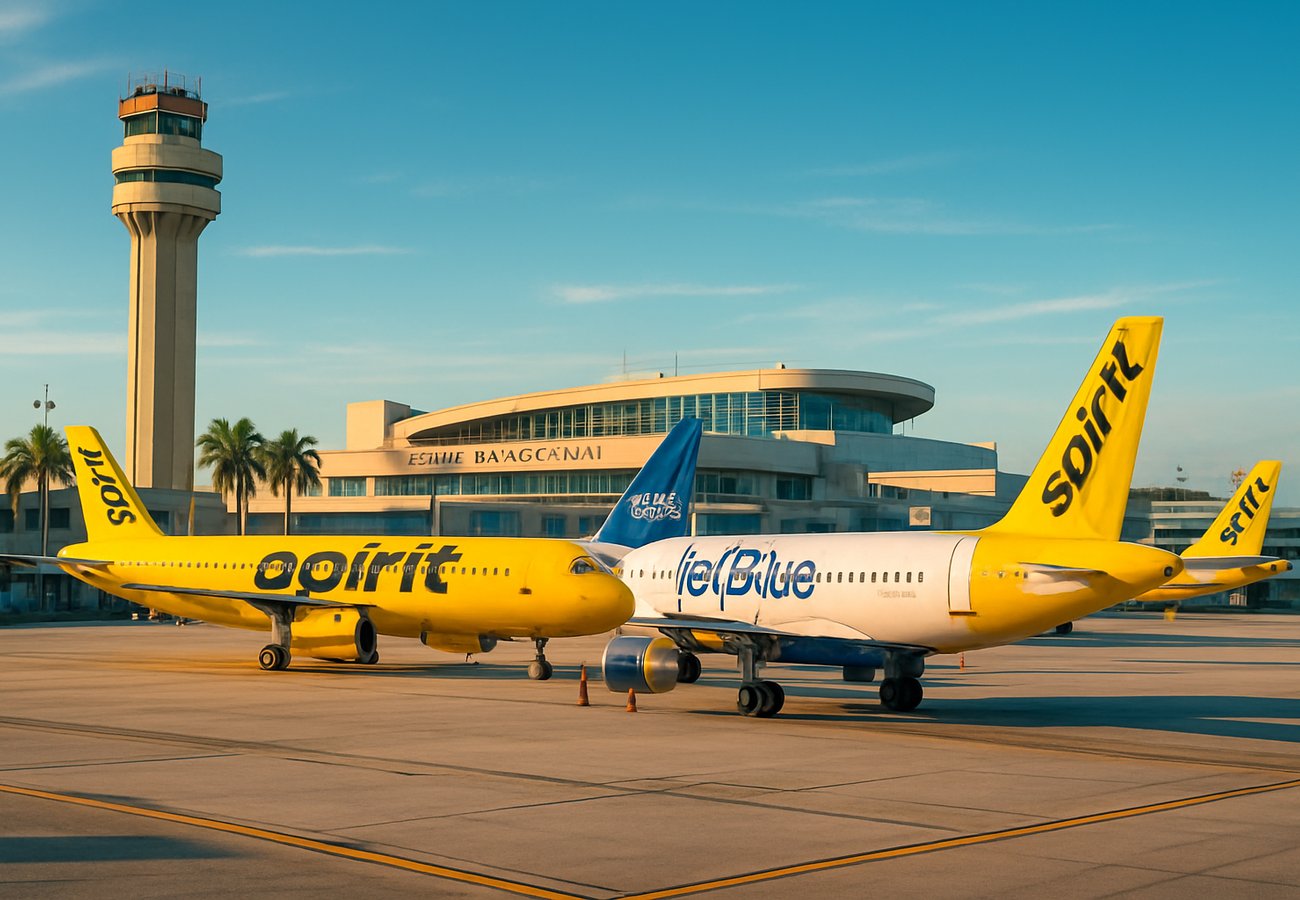
Image generated by AI
Fort Lauderdale-Hollywood International Airport (FLL) is currently the epicenter of a massive aviation disruption in the United States. According to the latest real-time flight tracking data from May 5, 2026, a staggering 95 flights have been canceled and 72 delayed, leaving hundreds of passengers stranded across the US, Canada, and Puerto Rico.
The disruptions are primarily hitting the airport’s two largest carriers, Spirit Airlines and JetBlue, which together account for over 80% of today's scrapped flights at the South Florida hub.
Snapshot of the Fort Lauderdale Chaos
The scale of today's disruption at FLL is unprecedented for the spring season, creating a massive bottleneck for travelers heading to New York, Puerto Rico, and major Caribbean destinations.
The Numbers at a Glance:
- Total Cancellations: 95
- Total Delays: 72
- Primary Carriers Involved: Spirit Airlines, JetBlue, American Airlines, and Southwest Airlines.
Airline Impact Breakdown at FLL
| Airline | Cancellations | Delays | Primary Reason |
|---|---|---|---|
| Spirit Airlines | 58 | 35 | Network Restructuring & Crewing |
| JetBlue | 22 | 18 | ATC Congestion & Technical |
| Southwest Airlines | 8 | 12 | Regional Flow Restrictions |
| American Airlines | 7 | 7 | Hub Ripple Effects |
Spirit Airlines is clearly the most impacted, with its FLL operations nearing a complete standstill this afternoon. As the airline’s primary base, the failure at FLL is causing a "domino effect" across Spirit’s entire national network.
Root Causes: Operational Fragility and Weather
Aviation analysts point to several factors contributing to the Fort Lauderdale meltdown:
- South Florida Thunderstorms: Intense morning thunderstorms moving through the Miami and Fort Lauderdale area forced air traffic control to implement strict "ground stops," preventing aircraft from arriving and subsequently delaying following departures.
- Spirit Airlines Crewing Crisis: Following mass delays earlier in the day, Spirit has reported a severe crew availability bottleneck. As crews "time out" of their legal working hours, the airline has been forced to cancel entire rotations of flights.
- JetBlue Maintenance Bottleneck: JetBlue has reported "unforeseen technical maintenance requirements" for several of its Airbus A320 aircraft at FLL, further thinning an already strained schedule.
Advice for Stranded Passengers at FLL
If you are currently stuck at Fort Lauderdale International or scheduled to fly today:
- Check the FLL App: The real-time flight status board is the most reliable source for gate information and terminal updates.
- Spirit and JetBlue Passengers: Use the mobile apps for rebooking. The lines at the customer service desks in Terminal 3 and 4 are currently estimated at over 3 hours.
- Alternative Airports: If your flight is canceled, check availability out of Miami International (MIA) or West Palm Beach (PBI). While these airports are also busy, they may have more stable operations on legacy carriers like Delta or American.
- Know Your Rights: For cancellations within the airline's control, passengers are entitled to a full refund to their original form of payment if they choose not to travel.
Related Travel Guides
- US Aviation Chaos: 3248 Delays and 363 Cancellations Nationwide
- Orlando Airport Meltdown: 70 Cancellations and 101 Delays
- Spirit Airlines Exit US Markets: 21 Million Seats Lost
Pittsburgh International Airport (PIT) is experiencing a day of operational friction, leaving hundreds of travelers grounded. A wave of disruptions primarily impacting Spirit Airlines, Allegiant Air, and Delta Air Lines has led to 21 delays and 3 cancellations within a single 24-hour window.
The disruptions are affecting passengers traveling between Pittsburgh and major US cities including New York, Chicago, and Los Angeles.
Snapshot of Pittsburgh International Disruptions
While Pittsburgh is a major regional hub, today's disruptions are creating significant stress for business travelers and those on leisure itineraries.
Key Data Point:
- Total Cancellations: 3 (All Spirit Airlines)
- Total Delays: 21
- Primary Carriers Involved: Spirit Airlines, Allegiant Air, Delta Air Lines, and American Airlines.
Affected Airlines and Hubs
| Airline | Status | % of Total Delays |
|---|---|---|
| Allegiant Air | 3 Delays | 25% |
| Delta Air Lines | 2 Delays | 10% |
| United Airlines | 5 Delays | 21% |
| Southwest Airlines | 6 Delays | 10% |
| American Airlines | 3 Delays | 7% |
Spirit Airlines accounts for 100% of the cancellations at PIT today, grounding three key flights. This highlights the ongoing operational struggles for the budget carrier at secondary hubs like Pittsburgh, where they have limited backup resources.
Causes: Midwestern Weather and Technical Malfunctions
The disruptions at Pittsburgh are attributed to a combination of localized weather factors and broader technical strain:
- Midwestern Weather Front: A band of intense morning thunderstorms moving across the Ohio Valley forced air traffic control to implement strict spacing requirements for arrivals and departures earlier today.
- Major Technical Malfunctions: Several carriers have reported "intermittent technical issues" with their ground handling systems at PIT, leading to rolling delays for check-in and baggage processing.
- Hub Ripple Effects: Many of the aircraft scheduled for PIT departures were delayed at their inbound hubs in Atlanta, Chicago, and New York, causing cascading delays that have pushed some departures back by several hours.
Impact on Pittsburgh's Tourism and Economy
Tourism is a major contributor to the Pittsburgh economy, and widespread flight disruptions can have a lasting negative impact. Pittsburgh is a hotspot for both business and leisure travelers, known for its rich history, cultural attractions, and festivals. When flights are delayed or canceled, it disrupts tourists’ plans, often resulting in missed connections and additional costs for rebooking.
Local hotels, transportation services, and restaurants that rely on consistent foot traffic from the airport may also feel the consequences as travelers are forced to extend their stays or cancel their plans entirely.
Advice for PIT Travelers Today
If you are traveling through Pittsburgh International today:
- Check the PIT Website: The real-time arrivals and departures board is the most accurate source for flight status.
- Spirit Passengers: Do not wait at the airport. Use the Spirit mobile app immediately to check for rebooking options, as Spirit’s limited schedule at PIT means the next available flight may not be for several days.
- Allegiant Flexibility: Allegiant travelers should be aware that their flights are often point-to-point. If your flight is delayed, there may be very few alternative flight paths available on the same day.
Related Travel Guides
- US Aviation Chaos: 3248 Delays and 363 Cancellations Nationwide
- Columbus John Glenn Airport Chaos: Spirit and Southwest Face Delays
- Spirit Airlines Exit US Markets: 21 Million Seats Lost
The European aviation market is entering a new era of higher costs and leaner operations. Major airline groups including Air France-KLM and Lufthansa, along with budget leaders like Ryanair and easyJet, are urgently raising ticket prices and slashing less profitable routes as they struggle to absorb a massive surge in jet fuel prices.
This shift is creating significant disruption for travelers, as networks adjust rapidly to the new economic reality of May 2026.
Why is Air France-KLM Raising Prices and Cutting Growth?
Air France-KLM is reacting directly to a sharp rise in jet fuel costs, which has pushed operational expenses significantly higher. The group has already revised its capacity expansion plans downward for the remainder of 2026.
- Fare Hikes: The airline is strategically increasing ticket prices across all cabins to offset multi-billion dollar increases in fuel expenses.
- Focus on Premium: To protect margins, Air France-KLM is prioritizing its long-haul network and premium cabins, which continue to drive revenue stability despite higher operational costs.
- Capacity Reduction: The group is leveraging its strong market position to reduce capacity on less profitable short-haul routes where competition is highest and margins are thin.
Lufthansa’s Aggressive Restructuring Strategy
Lufthansa is implementing one of the most aggressive cost-control strategies in the European market. The German giant is cutting thousands of flights and withdrawing older, less efficient aircraft from its fleet.
Lufthansa Restructuring Snapshot
| Initiative | Impact | Objective |
|---|---|---|
| Flight Cuts | Tens of thousands of flights removed | Controlling operational costs and capacity. |
| Route Withdrawal | Exit from less profitable short-haul markets | Focusing on core hubs (FRA/MUC). |
| Fleet Realignment | Early retirement of older wide-body jets | Mitigating the impact of fuel price spikes. |
Lufthansa is pursuing a dual strategy: aggressive short-term cost control through flight cuts, while simultaneously exploring long-term expansion through potential investments in other carriers.
The Low-Cost Reaction: Ryanair and Transavia
The "fuel surge" is hitting low-cost carriers (LCCs) particularly hard, as their business models rely on extremely thin margins.
- Ryanair and easyJet: Both carriers have warned that the era of "€10 flights" is effectively over for the summer 2026 season. Base fares are being adjusted upward as fuel hedging contracts expire and are replaced at current market rates.
- Transavia and KLM: In the Netherlands, both carriers have been forced to cancel hundreds of flights in May due to a combination of rising costs and ongoing operational constraints at Amsterdam Schiphol (AMS).
What This Means for European Travelers
Travelers in Europe should prepare for a "new reality" in the aviation market:
- Fare Climb: Expect to see ticket prices rise by 15% to 30% across the board.
- Reduced Frequency: High-frequency routes between major European capitals may see a reduction in daily departures.
- Route Slashing: Some secondary regional airports may lose direct connections to major hubs as airlines consolidate their networks.
Related Travel Guides
Disclaimer
This article is for informational and educational purposes only. It does not constitute legal, financial, or professional advice. While we strive to provide accurate and up-to-date information, travel policies, regulations, and conditions change rapidly. Always verify information with official sources before making travel decisions. Nomad Lawyer makes no representations about the accuracy, reliability, completeness, or suitability of the information provided. Readers should consult qualified professionals for advice specific to their circumstances. The views expressed in this article are those of the author and do not necessarily reflect the views of Nomad Lawyer.
Kunal K Choudhary
Co-Founder & Contributor
A passionate traveller and tech enthusiast. Kunal contributes to the vision and growth of Nomad Lawyer, bringing fresh perspectives and driving the community forward.
Learn more about our team →