
Florida Beach Sea Turtle Nesting: Guided Night Tours 2026
Witness sea turtles laying eggs on a Florida beach renowned as one of the world's densest nesting grounds. Guided night walks offer travelers an unforgettable 2026 wildlife experience in this protected coastal sanctuary.

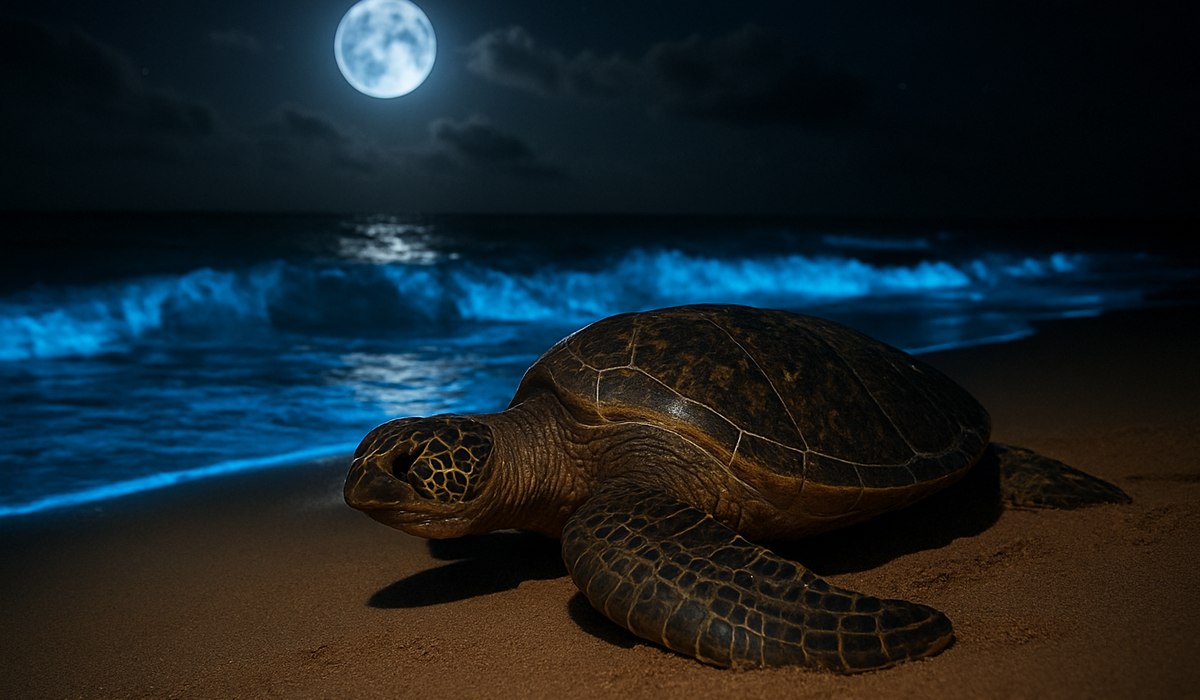
Image generated by AI
Witness Nature's Ancient Ritual: Florida's Premier Sea Turtle Nesting Destination
Florida hosts one of the world's highest concentrations of sea turtle nesting activity, drawing wildlife enthusiasts and nature lovers from across the globe. A select Florida beach has become the epicenter for guided nighttime experiences where visitors observe mothers emerging from the Atlantic to lay eggs in the sand. These protected coastal areas now offer structured, sustainable tours that balance tourism with environmental conservation. The 2026 season presents an exceptional opportunity to experience this remarkable biological phenomenon while supporting local habitat preservation efforts.
Which Florida Beach Is Best for Sea Turtle Nesting?
Several Florida beaches rank among North America's most important sea turtle nesting sites, but a handful stand out for accessibility and guided tour availability. These beaches feature dedicated conservation programs managed by local environmental organizations and state wildlife agencies. The most visitor-friendly locations offer interpretive programs where trained guides lead small groups during peak nesting hours. Beaches in central and southern Florida's Atlantic coast consistently record the highest turtle arrival numbers annually. Visit Florida's official tourism website provides comprehensive lists of certified wildlife viewing operators and nesting season schedules by region.
Protected beach sections maintain strict access restrictions to minimize human disturbance during critical nesting periods. Many tour operators partner with university research teams, enhancing educational value while contributing to ongoing population monitoring. The guided experience typically includes expert commentary on turtle biology, conservation challenges, and historical nesting trends across decades of data collection.
When Is Sea Turtle Nesting Season?
Sea turtle nesting season across Florida peaks from May through October, with June and July representing the most active months. Hatchling emergence begins approximately 60 days after egg deposition, creating secondary viewing opportunities in late summer and early fall. Night tours operate during optimal nesting hours, typically between 8 PM and midnight when female turtles venture ashore. Water temperature directly influences nesting timing, with warmer years sometimes extending activity into early November.
The 2026 season kicks off as temperatures climb during late spring, with booking demand highest during June. Early-season tours in May offer smaller crowds and more personalized experiences. Late-season visitors in September and October may witness both nesting females and emerging hatchlings within single nights, though hatchling tours follow different protocols to protect vulnerable juveniles.
Weather patterns significantly impact nesting success rates. Moon phases influence turtle emergence timing, with new moon periods often triggering increased activity. Lunar calendars and tide charts help predict optimal viewing nights, information typically provided by tour operators during reservation conversations.
How to Book a Guided Sea Turtle Watching Tour
Reputable tour operators require advance reservations, typically made 2–4 weeks prior to desired dates during peak season. Most operators maintain websites with real-time availability calendars and detailed itinerary descriptions. Guided groups usually include 10–20 participants to balance educational delivery with minimal environmental impact. Tour costs range from $75–$200 per person depending on duration, group size, and guide expertise level.
Search TripAdvisor for certified sea turtle tour operators in your target Florida region to compare reviews and pricing. Legitimate operators maintain state wildlife viewing permits and demonstrate commitment to conservation through partnerships with environmental nonprofits. Booking directly through operators often yields discounts compared to third-party travel platforms.
Most tours include transportation from central meeting points, expert naturalist guides, and educational materials about sea turtle life cycles. Participants should expect to spend 3–4 hours on the beach, walking slowly across sand to locate nesting females. Physical fitness requirements vary by operator; some accommodate mobility limitations with modified beach access routes.
Cancellation policies typically allow full refunds if tours are postponed due to severe weather or insufficient turtle activity. Experienced guides monitor coastal conditions and nest locations daily, providing flexibility to reschedule without penalties.
Best Practices for Responsible Wildlife Viewing
Ethical sea turtle observation requires strict adherence to behavioral guidelines protecting nesting mothers and developing eggs. Maintain minimum distances of 10 feet from nesting females unless otherwise directed by certified guides. Red or amber flashlights replace standard white light to minimize disorientation of returning sea turtles navigating by moonlight.
Silence is critical during approaches, as loud noise can startle females back into the ocean before successful egg deposition occurs. Avoid flash photography, which disrupts natural behaviors and causes physiological stress. Many tour operators provide cameras equipped with appropriate red-light filters for participants wanting documentation.
Stay on designated paths marked by guides to prevent accidental nest destruction. Footprints in sand can collapse egg chambers or mislead hatchlings during emergence. Tour providers educate visitors on why these protocols serve both conservation and enhanced viewing experiences—calmer turtles remain longer onshore, offering superior observation opportunities.
Wear neutral-colored, long-sleeved clothing to reduce visibility against beach backgrounds. Insect repellent and sunscreen applied hours before tours prevent additional chemical exposure. Beach shoes or water boots protect feet while minimizing sand disturbance around active nesting zones.
Key Facts: Florida Sea Turtle Nesting by the Numbers
| Metric | Details |
|---|---|
| Annual Nesting Attempts (Florida) | 100,000–150,000 nests recorded statewide |
| Primary Nesting Species | Loggerhead, green, and leatherback sea turtles |
| Peak Nesting Season | June–July (2026 season extends May–October) |
| Incubation Period | 60–90 days before hatchling emergence |
| Tour Group Size Limits | 10–20 participants per licensed guide |
| Optimal Viewing Months | June, July, August (highest activity rates) |
| Tour Duration | 3–4 hours including beach walks and interpretation |
| Average Tour Cost | $75–$200 per adult participant |
| Conservation Status | Loggerheads federally threatened; green/leatherbacks endangered |
| Best Booking Window | 2–4 weeks advance reservation recommended |
What This Means for Travelers in 2026
Planning a Florida beach sea turtle nesting tour requires understanding seasonal dynamics and advance logistics. Here are actionable steps for maximizing your wildlife watching experience:
-
Reserve tours during June–July peak months for highest probability of turtle encounters and larger nesting activity. Expect 70–90% likelihood of observing at least one nesting female during optimal-timing expeditions.
-
Book 3–4 weeks ahead through operator websites or TripAdvisor to secure preferred dates and avoid peak-season waitlists. Early bookings often include better pricing and guide selection options.
-
Check weather forecasts before travel dates since heavy rain and lightning storms necessitate tour postponements. Operators typically offer rescheduling without penalties when weather impacts safety or turtle behavior.
-
Plan physical conditioning beforehand if mobility is limited, as beach sand walking requires sustained effort over uneven terrain for 2–3 hours. Ask operators about accessibility accommodations during reservation calls.
-
Purchase trip insurance covering activity cancellations to protect investments if unexpected circumstances prevent participation. Many travel insurance policies include weather-related delays.
-
Arrive at meeting points 15 minutes early to allow check-in time and receive pre-tour orientation about flashlight protocols and distance guidelines.
Frequently Asked Questions
Q: Can children participate in sea turtle nesting tours? Most operators welcome children age 8 and older, though younger kids may struggle with sustained night walking on sand. Some companies offer daytime educational programs combined with evening beach visits as alternatives.
Q: What happens if we don't see turtles during our tour? Reputable operators guarantee rescheduling at no additional cost if no nesting
Disclaimer
This article is for informational and educational purposes only. It does not constitute legal, financial, or professional advice. While we strive to provide accurate and up-to-date information, travel policies, regulations, and conditions change rapidly. Always verify information with official sources before making travel decisions. Nomad Lawyer makes no representations about the accuracy, reliability, completeness, or suitability of the information provided. Readers should consult qualified professionals for advice specific to their circumstances. The views expressed in this article are those of the author and do not necessarily reflect the views of Nomad Lawyer.
Raushan Kumar
Founder & Lead Developer
Full-stack developer with 11+ years of experience and a passionate traveller. Raushan built Nomad Lawyer from the ground up with a vision to create the best travel and law experience on the web.
Learn more about our team →