
How Florence, Prague, and San Miguel de Allende are Redefining Global Urban Tourism Trends in 2026
Explore the 2026 global travel rankings where San Miguel de Allende takes the top spot, while European icons like Florence and Prague drive a surge in authentic cultural tourism.

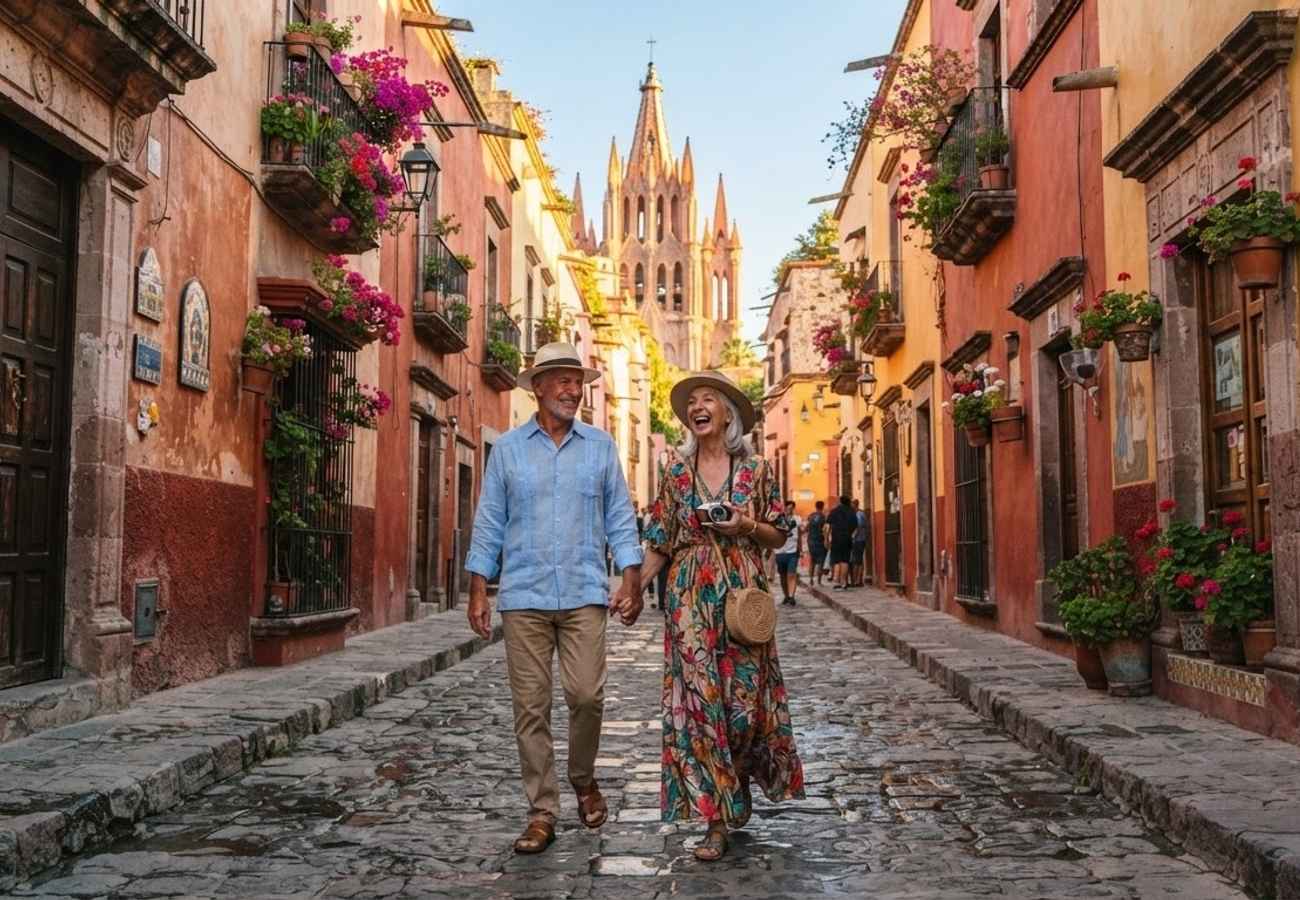
Image generated by AI
The global travel map is shifting as 200,000 international travelers pivot away from generic sightseeing toward destinations that offer deep emotional connections and preserved heritage.
The Local Trend Revealed
The 2026 global travel rankings signal a definitive move toward "meaningful cultural connections." While massive metropolises once dominated the charts, the current trend favors cities that balance historic preservation with high-quality, modern hospitality.
Mexico has emerged as a powerhouse in this sector. San Miguel de Allende, located in Guanajuato, has been crowned the world’s best city. Its success is rooted in a curated blend of Spanish-era colonial architecture, vibrant art galleries, and a community-driven creative atmosphere. This shift is further evidenced by Mexico securing three positions within the global top ten, including Oaxaca.
In Asia, the trend manifests as a demand for immersive spirituality and heritage. Kyoto, Japan, holds the second spot globally, followed closely by Chiang Mai, Thailand, and Hoi An, Vietnam. These cities are winning by offering "slow travel" experiences—temple walks, lantern-lit riverside districts, and wellness-focused retreats—rather than high-speed urban tourism.
Cultural & Environmental Value (Information Gain)
This surge in "authentic city escapes" is fundamentally changing how regional tourism departments manage their assets. In Europe, the focus has shifted from volume to value. Cities like Florence—the highest-ranked European city at number thirteen globally—are prioritizing the protection of Renaissance heritage and the promotion of walkable historic districts to reduce the carbon footprint of urban tourism.
The rise of destinations like Ljubljana, Slovenia, and Porto, Portugal, demonstrates a growing interest in secondary cities. By diverting traffic from "over-tourism" hubs to these influential capitals, regional conservation bodies are spreading economic benefits more evenly across local communities, supporting small-scale boutique hotels and family-run traditional restaurants over international chains.
Visitor Insider Tips
For those planning to visit these top-ranked destinations in 2026, moving beyond the primary tourist circuits is essential for a genuine experience.
- Florence, Italy: To avoid the midday crowds at the Uffizi, visit the Oltrarno district. This "other side" of the Arno river is where local artisans still maintain traditional workshops and leather studios.
- Prague, Czechia: Skip the crowded Charles Bridge at noon. Instead, explore the Vyšehrad fortress area for a quieter, panoramic view of the city and a deeper dive into early Bohemian history.
- San Miguel de Allende, Mexico: Visit during the smaller local festivals rather than peak holiday windows. Focus on the "Callejones" (narrow alleys) for the best street art and hidden cafes.
- Kyoto, Japan: Engage with the "Kyo-yasai" (traditional Kyoto vegetables) at local markets to support regional farmers and experience the city's culinary heritage.
- Cultural Etiquette: In many of these top-ranked cities, particularly in Japan and Italy, a "quiet tourism" approach is increasingly appreciated. Lowering voices in residential historic zones is a key sign of respect for the local community.
Tourism Outlook
The long-term trajectory for global tourism is moving toward "Heritage-First" travel. The success of smaller, culturally dense cities proves that authenticity is the most valuable currency in the travel market. As Florence, Prague, and Salzburg continue to influence international trends, we can expect a rise in sustainable urban planning that favors pedestrians over cars and local artisans over mass-market retail.
The following table outlines the top-performing European cities and their global standing as of the 2026 rankings:
| European City | Country | Global Rank | Primary Appeal |
|---|---|---|---|
| Florence | Italy | 13 | Renaissance Art & Architecture |
| Prague | Czechia | 18 | Medieval Heritage |
| Salzburg | Austria | Top 5 (EU) | Musical & Alpine Culture |
| Kraków | Poland | Top 5 (EU) | Historic Old Town |
| Porto | Portugal | Top 5 (EU) | Riverside Scenery & Wine |
The era of the generic tourist is ending, replaced by the era of the cultural explorer.
Related Travel Guides
Disclaimer
This article is for informational and educational purposes only. It does not constitute legal, financial, or professional advice. While we strive to provide accurate and up-to-date information, travel policies, regulations, and conditions change rapidly. Always verify information with official sources before making travel decisions. Nomad Lawyer makes no representations about the accuracy, reliability, completeness, or suitability of the information provided. Readers should consult qualified professionals for advice specific to their circumstances. The views expressed in this article are those of the author and do not necessarily reflect the views of Nomad Lawyer.
Raushan Kumar
Founder & Lead Developer
Full-stack developer with 11+ years of experience and a passionate traveller. Raushan built Nomad Lawyer from the ground up with a vision to create the best travel and law experience on the web.
Learn more about our team →