
Flights Disrupted Europe: 1,100+ Delayed Across Germany, Portugal, France
More than 1,100 flights disrupted Europe on April 10, 2026, as weather, strikes and staffing shortages cascade delays from Hamburg to Lisbon. easyJet, Ryanair and British Airways hit hardest.

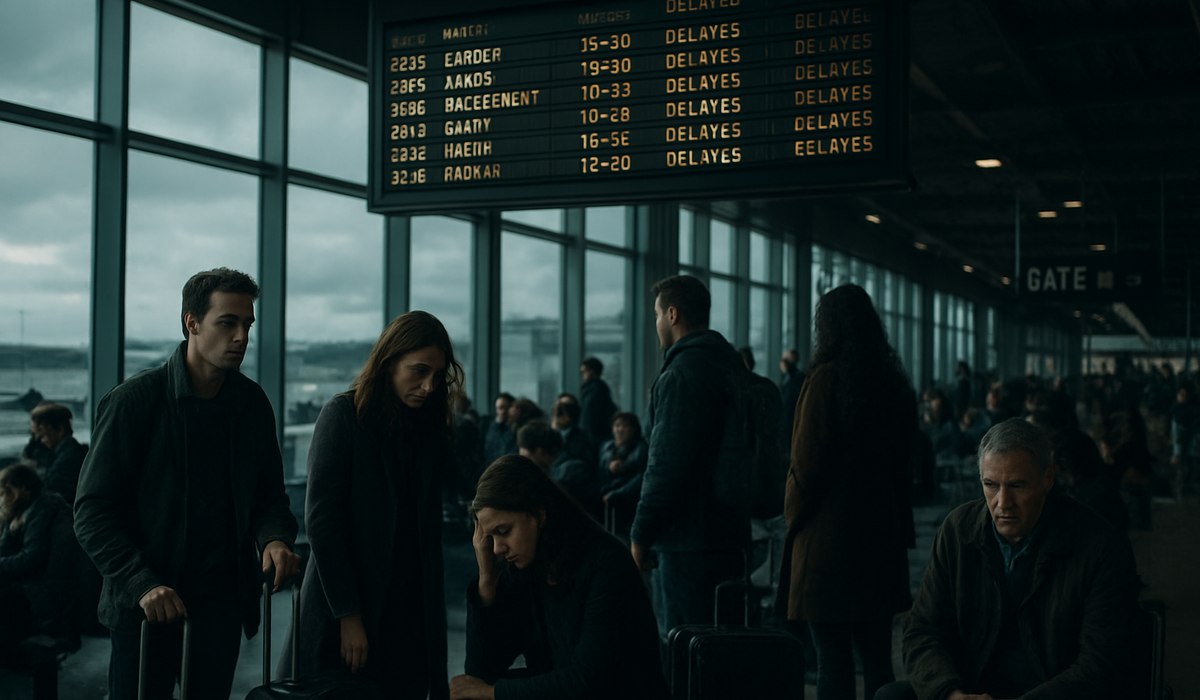
Image generated by AI
Over 1,100 European Flights Face Delays as Travel Chaos Unfolds Across Major Hubs
More than 1,100 flights have been delayed and 81 cancelled across Europe on April 10, 2026, as cascading disruptions grip the continent's busiest airports. Weather systems, industrial action, and acute staffing shortages have combined to create unprecedented travel chaos affecting major carriers including easyJet, Ryanair, and British Airways. The disruption spans from Hamburg Airport in northern Germany to Lisbon in Portugal, with additional pressure mounting across France, Spain, Italy, and the United Kingdom. Hundreds of passengers remain stranded at airports as ground crews and airlines struggle to reposition aircraft and rebook travelers on alternate services.
Cascading Delays Spread Across European Hubs
The term "flights disrupted Europe" has become the daily reality for millions of travelers as knock-on delays ripple through the continent's interconnected network. When delays occur at major hub airports, they don't remain isolated—they amplify. A late departure from Hamburg cascades to Frankfurt. A weather-related cancellation in Lisbon disrupts connections through Madrid and Barcelona. By April 10, 2026, this domino effect had created a bottleneck affecting schedules from the UK to Eastern Europe.
Flight tracking data reveals that the disruption intensity varies by region but remains widespread. Hamburg Airport emerged as a particular pressure point, with local weather conditions combining with broader German airspace constraints. Airlines operating high-frequency short-haul services—the backbone of European budget carrier operations—proved most vulnerable to the cascade effect. A single aircraft arriving two hours late can trigger five subsequent delays across its daily rotation schedule.
Lufthansa and its regional subsidiaries faced additional pressure from announced cabin crew industrial action on April 10. This labor dispute required the airline to proactively cancel or consolidate numerous services across Frankfurt, Munich, Hamburg, and Berlin airports, further restricting available capacity network-wide.
Germany's Hamburg Airport Bears Brunt of Disruption
Hamburg Airport in northern Germany stands at the epicenter of current travel chaos. Weather-related operational constraints combined with limited runway capacity created a perfect storm for service disruptions. Security queues extended to two-hour waits as airport staff struggled to process the backlog of rerouted passengers.
The German Luftwaffe's involvement in military training exercises over German airspace on April 9-10 further restricted available flight corridors. Airlines were forced to wait for slots or accept significant delays climbing to their assigned altitudes. Ground handling crews worked extended shifts to service more aircraft, yet the fundamental bottleneck—available runway capacity—could not be expanded.
Local carriers reported that inbound aircraft from Western Europe began experiencing 40-minute holds before receiving clearance to land. Outbound flights faced similar restrictions. This ripple effect meant that Hamburg-based operations for Lufthansa, easyJet, and Ryanair created delays extending well beyond the airport's operational area.
Portugal Weather Woes Compound Regional Network Strain
Portugal's two largest commercial airports—Lisbon and Porto—encountered severe weather challenges on April 9-10, 2026. Strong Atlantic crosswinds and periodic low visibility forced runway occupancy times to extend beyond standard operations. Aircraft that normally spend 30 minutes on the tarmac between arrival and departure required 50+ minutes.
This capacity reduction had outsized effects because Portuguese airports serve as crucial connection points for passengers traveling between Northern Europe and the Mediterranean. A one-hour delay at Lisbon cascades to missed connections in Spain, Italy, and France. TAP Air Portugal, the country's flagship carrier, was forced to cancel 23 flights and delay 87 others during the two-day disruption window.
Weather conditions also affected Madeira Airport on the Portuguese island, where crosswinds and visibility issues triggered additional cancellations. Regional routes connecting mainland Portugal to the islands faced particular strain as airlines rerouted aircraft to avoid the challenging weather windows.
France Air Traffic Control Constraints Add Pressure
France manages the busiest airspace in continental Europe, with flight paths converging from Germany, Italy, Spain, and the United Kingdom. When staffing shortages reduce French air traffic control capacity, the entire European network feels the impact immediately.
On April 10, DGAC (Direction Générale de l'Aviation Civile) implemented reduced flow rates into key French airports including Paris Charles de Gaulle, Paris Orly, and Lyon. These restrictions created holding patterns over the English Channel, German borders, and Spanish crossings. Airlines found themselves unable to launch outbound flights because inbound aircraft couldn't clear the destination.
The constraint was particularly acute during morning peak hours (6 AM–10 AM UTC) when roughly 40 percent of Europe's daily air traffic operates. A 20-minute delay in clearing Parisian airspace translated to cascading delays across the entire continent. Major carriers like Air France, KLM, Lufthansa, and British Airways all reported being unable to maintain scheduled operations due to ATC-imposed slot restrictions.
How Airlines and Operators Are Responding
easyJet reported that 67 flights were delayed and 8 cancelled on April 10 alone, affecting approximately 11,000 passengers across its European network. The budget carrier prioritized rebooking passengers on the next available flights, though many faced 6-12 hour waits due to network saturation.
Ryanair faced similar challenges, with 84 flight delays and 6 cancellations. The airline's dense network and aggressive scheduling meant limited flexibility to absorb disruptions. Passengers on delayed Ryanair flights reported minimal communication from the airline regarding rebooking options or compensation eligibility.
British Airways implemented a more structured response, establishing dedicated rebooking desks at London Heathrow and deploying additional customer service staff. However, with more than 300 London-based flights disrupted, even enhanced staffing struggled to manage demand. BA waived change fees for passengers willing to accept alternative routings on subsequent days.
Monitoring tools like FlightAware provided real-time visibility into disruption patterns, helping informed travelers make alternative travel plans. The platform recorded peak disruption between 7 AM and 4 PM UTC on April 10, with gradual recovery beginning after 5 PM.
| Metric | Value | Status |
|---|---|---|
| Total Flights Delayed | 1,100+ | Ongoing |
| Total Cancellations | 81 | Final |
| Primary Affected Region | Germany, Portugal, France | Widespread |
| Hardest Hit Airport | Hamburg, Germany | Critical |
| Airlines Most Affected | easyJet, Ryanair, British Airways | High Impact |
| Estimated Stranded Passengers | 180,000+ | Active Rebooking |
| Primary Disruption Causes | Weather, Strikes, ATC Constraints | Multiple Factors |
| Expected Recovery Timeline | April 11-12, 2026 | Estimated |
What This Means for Travelers
If you're planning travel through Europe in the coming days, understanding your rights and options is essential. The disruptions of April 10, 2026 demonstrate how quickly travel chaos can escalate across the continent.
Traveler Action Checklist:
-
Check flight status before leaving home – Visit your airline's website or FlightAware to confirm your flight departure time and any announced delays or cancellations.
-
Contact your airline immediately if flight cancelled – Don't wait in the airport terminal. Call or use the airline's app to understand rebooking options and whether you're eligible for alternative routing or refunds under EU261 regulations.
-
Know your passenger rights – Under [EU regulation 261
Disclaimer
This article is for informational and educational purposes only. It does not constitute legal, financial, or professional advice. While we strive to provide accurate and up-to-date information, travel policies, regulations, and conditions change rapidly. Always verify information with official sources before making travel decisions. Nomad Lawyer makes no representations about the accuracy, reliability, completeness, or suitability of the information provided. Readers should consult qualified professionals for advice specific to their circumstances. The views expressed in this article are those of the author and do not necessarily reflect the views of Nomad Lawyer.
Kunal K Choudhary
Co-Founder & Contributor
A passionate traveller and tech enthusiast. Kunal contributes to the vision and growth of Nomad Lawyer, bringing fresh perspectives and driving the community forward.
Learn more about our team →