
Aviation Safety Experts Warn Against Synthetic Clothing on Flights
Flight safety experts recommend passenger attire made of natural fibers over synthetic polyester or nylon to prevent severe cabin fire burns.

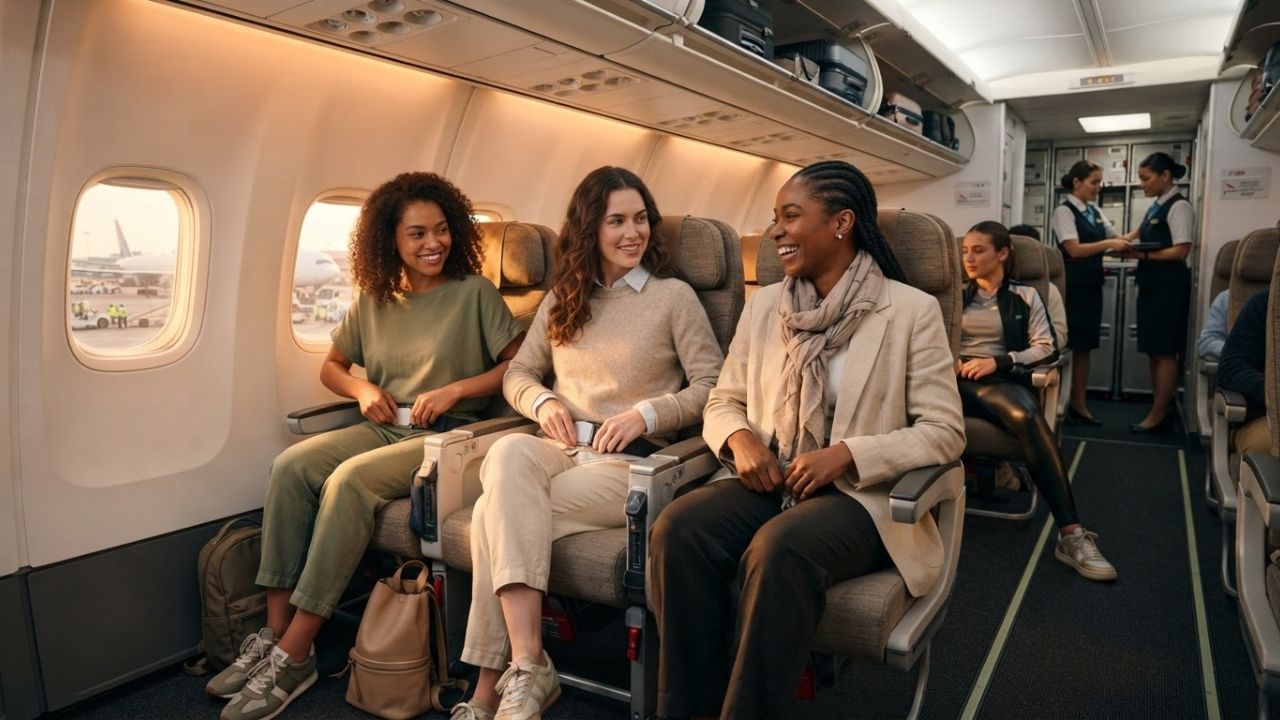
Image generated by AI
Aviation safety experts are advising commercial air passengers to avoid wearing synthetic clothing materials such as polyester, nylon, and acrylic during flights. In the rare event of a cabin fire emergency, these petroleum-based textiles can melt and adhere directly to the skin, causing severe burn complications.
Analysis of Cabin Fire Fabric Safety
Our analysis of cabin safety records indicates that synthetic fabrics react negatively to extreme heat compared to natural alternatives. Unlike cotton or merino wool which char and burn away, polyester and nylon soften, melt, and fuse with human tissue. This melting process traps heat against the skin, making burns deeper, more painful, and significantly more difficult to treat in emergency medical centers verified by Federal Aviation Administration (FAA) research protocols.
Safety advocates recommend selecting clothing made from natural fibers like cotton, wool, linen, or silk to maintain comfort and safety during travel. If synthetic outerwear remains unavoidable, travelers should wear a cotton undershirt or base layer directly against the skin to create a barrier. Carrying a cotton or silk scarf instead of synthetic fleeces also provides a safe, fire-resistant layer for the neck area during changing cabin temperatures.
Flight Attendant and Cabin Safety Guidelines
Standard passenger safety protocols extend beyond briefing cards to personal preparation:
- Natural Fiber Clothing: Cotton, linen, and wool jogger combinations reduce melting risks during high-temperature exposure.
- Enclosed Leather Footwear: Sturdy footwear protects feet from debris and high heat during emergency slides.
- Avoid Restrictive Leggings: Tight synthetic activewear can restrict blood circulation and hinder evacuation speed.
- Cabin Temperature Management: Cotton layers allow passengers to adjust to cold cabin environments safely.
Passenger Rights & Advisory (Information Gain & Experience)
For travelers review safety guidelines before boarding, understanding emergency evacuation liabilities is key:
- US DOT Injury Compensation Claims: Under U.S. Department of Transportation (DOT) guidelines and international treaties like the Montreal Convention, airlines are strictly liable for passenger bodily injuries sustained during onboard operations. This liability extends to burns sustained during evacuations, covering medical expenses up to standard SDR limits.
- Safety Briefing Awareness: Aviation guidelines require passengers to observe exit row briefings and follow flight attendant instructions immediately. Flight crew members are trained in fire containment, and cooperating with their directions prevents crowd bottlenecks during evacuations.
- Aviation Accident Insurance Exclusions: Travelers should review their travel health insurance policies to ensure coverage includes emergency medical evacuations and international hospital transfers without high deductibles.
Industry Analyst View
The warning against synthetic travel attire highlights how consumer athleisure trends can intersect with aviation safety standards. While modern cabin interior materials undergo rigorous flammability testing, passenger apparel remains an unregulated safety variable.
Additionally, raising passenger safety awareness requires airlines to integrate clothing recommendations into check-in newsletters or booking confirmation portals. To support cabin safety, airline boarding gates must keep passenger paths clear and enforce baggage limits to prevent exit blockages. This proactive management remains vital to protect passengers and ensure rapid evacuations during unexpected emergencies.
Related Travel Guides
Disclaimer
This article is for informational and educational purposes only. It does not constitute legal, financial, or professional advice. While we strive to provide accurate and up-to-date information, travel policies, regulations, and conditions change rapidly. Always verify information with official sources before making travel decisions. Nomad Lawyer makes no representations about the accuracy, reliability, completeness, or suitability of the information provided. Readers should consult qualified professionals for advice specific to their circumstances. The views expressed in this article are those of the author and do not necessarily reflect the views of Nomad Lawyer.
Kunal K Choudhary
Co-Founder & Contributor
A passionate traveller and tech enthusiast. Kunal contributes to the vision and growth of Nomad Lawyer, bringing fresh perspectives and driving the community forward.
Learn more about our team →