
Sichuan Airlines' Rare Fifth-Freedom Route Reshapes Competition Between Athens and Istanbul Hubs
Breaking airline news and aviation industry updates for 2026.

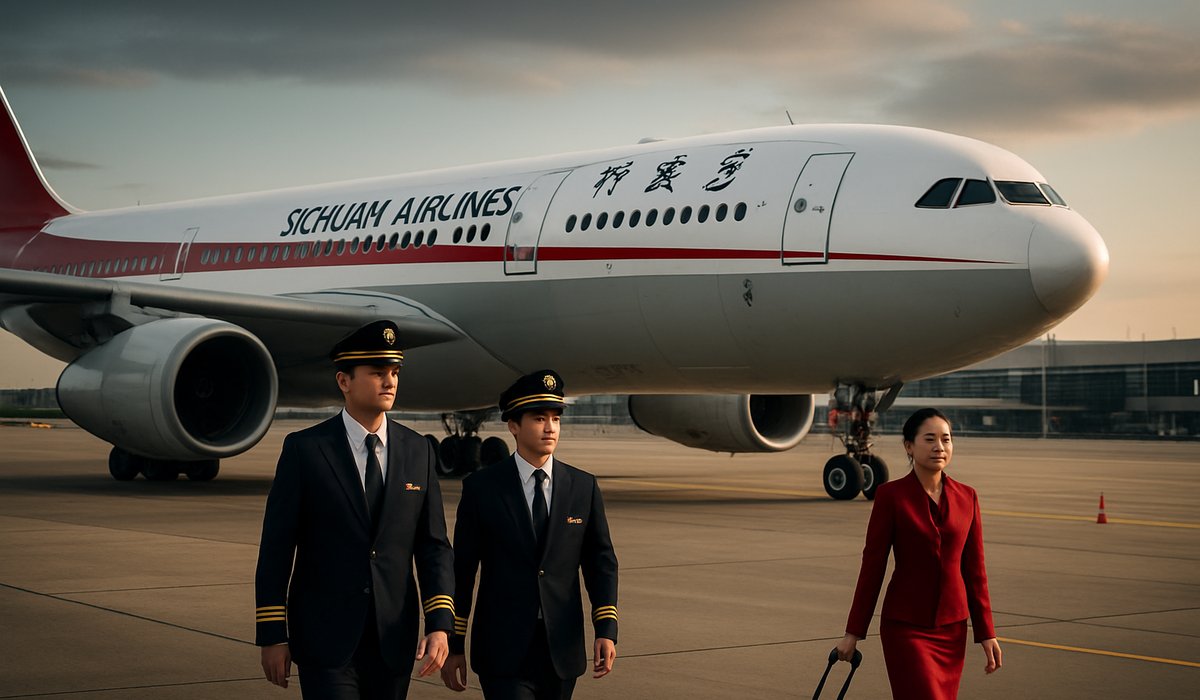
Image generated by AI
Sichuan Airlines' Rare Fifth-Freedom Route Reshapes Competition Between Athens and Istanbul Hubs
Chinese carrier's unconventional gateway strategy signals broader shifts in international aviation partnerships
A Bold Entry Into Europe's Southeastern Corridor
In May, Sichuan Airlines initiated an unusual fifth-freedom air service connecting two of southeastern Europe's most strategically important aviation hubs—Athens International Airport and Istanbul Airport—marking a significant shift in how Asian carriers are penetrating traditionally competitive European markets.
The move represents far more than a routine route expansion. Fifth-freedom rights—permitting airlines to carry passengers between two foreign countries—remain rare and highly contested in international aviation. Sichuan Airlines' deployment of this privilege on the Athens-Istanbul corridor challenges the established dominance of regional carriers and reflects evolving geopolitical dynamics reshaping global air travel patterns.
Breaking Traditional Market Barriers
The route between Athens and Istanbul typically remains dominated by carriers based in Greece and Turkey, given the cities' substantial tourist appeal and rich historical significance spanning ancient Greek, Byzantine, and Ottoman civilizations. Yet Sichuan Airlines' entry injects fresh competition into this traditionally protected market segment.
This unconventional positioning strategy highlights how Chinese carriers are increasingly leveraging international aviation agreements to expand beyond their primary China-Europe corridors. Rather than competing directly on mainline routes, Sichuan Airlines targets underserved connections between secondary European hubs—a tactic gaining momentum among Asian airlines seeking sustainable growth amid rising jet fuel costs and intensifying fee-based revenue models.
Broader Industry Implications
The development underscores persistent transformations within the aviation sector. As fuel surcharges continue weighing on operational margins and airlines worldwide expand ancillary revenue through baggage charges and seat selection fees, carriers explore alternative route structures to optimize profitability.
Sichuan Airlines' strategy reflects broader Asian aviation expansion trends, particularly among carriers based in China seeking to establish European footprints without competing head-to-head against established legacy operators. The fifth-freedom route arrangement allows the carrier to generate incremental revenue from interline traffic while building brand recognition in emerging markets.
For passengers, the development promises increased choice and potentially competitive pricing pressure on historically insular market segments. However, traditional regional carriers may face margin compression as competition intensifies.
Looking Ahead
The initiative signals that fifth-freedom routes—once considered marginal opportunities—increasingly represent viable business strategies for ambitious Asian carriers seeking European expansion. Industry observers expect similar arrangements to multiply as international aviation agreements evolve and carriers adapt to post-pandemic competitive realities.
Frequently Asked Questions
What are fifth-freedom airline rights, and why are they significant? Fifth-freedom rights permit an airline to carry passengers between two foreign countries on an international route. These rights remain strategically valuable and rarely granted, making them competitive advantages for carriers who secure them. They enable airlines to establish hubs in secondary markets without being based in either destination country.
Why would Sichuan Airlines prioritize the Athens-Istanbul route? The route connects two major European aviation hubs with strong tourism demand and historical significance, allowing the carrier to capture traffic beyond its primary China-Europe operations while building European market presence with minimal direct competition from Chinese carriers.
How do airline baggage fees and jet fuel prices impact route profitability? Rising jet fuel costs compress operational margins, forcing carriers to rely increasingly on ancillary revenue sources including baggage charges and seat selection fees. Routes with strong traffic demand—like Athens-Istanbul—generate sufficient volume to offset fuel surcharges while maximizing fee-based income.
What does this mean for passengers traveling between Athens and Istanbul? Increased competition typically benefits consumers through expanded flight options and potential pricing pressure on previously monopolistic routes, though service quality and schedule frequency may vary between established and newer operators.
Are other Asian airlines pursuing similar fifth-freedom strategies in Europe? Yes. As Asian carriers expand European operations and international aviation agreements evolve, fifth-freedom route strategies increasingly appeal to airlines seeking sustainable growth without direct competition against legacy European carriers.
Related Travel Guides
Disclaimer
This article is for informational and educational purposes only. It does not constitute legal, financial, or professional advice. While we strive to provide accurate and up-to-date information, travel policies, regulations, and conditions change rapidly. Always verify information with official sources before making travel decisions. Nomad Lawyer makes no representations about the accuracy, reliability, completeness, or suitability of the information provided. Readers should consult qualified professionals for advice specific to their circumstances. The views expressed in this article are those of the author and do not necessarily reflect the views of Nomad Lawyer.
Kunal K Choudhary
Co-Founder & Contributor
A passionate traveller and tech enthusiast. Kunal contributes to the vision and growth of Nomad Lawyer, bringing fresh perspectives and driving the community forward.
Learn more about our team →