
Flight Disruptions Anchorage: 43 Delays Cascade Across Asia Routes
Forty-three flight disruptions at Alaska's Anchorage hub ripple across transpacific networks in May 2026, stranding passengers connecting to Tokyo, Taipei and Hong Kong. Major airlines affected include Alaska Airlines, American Airlines, Cathay Pacific and EVA Air.

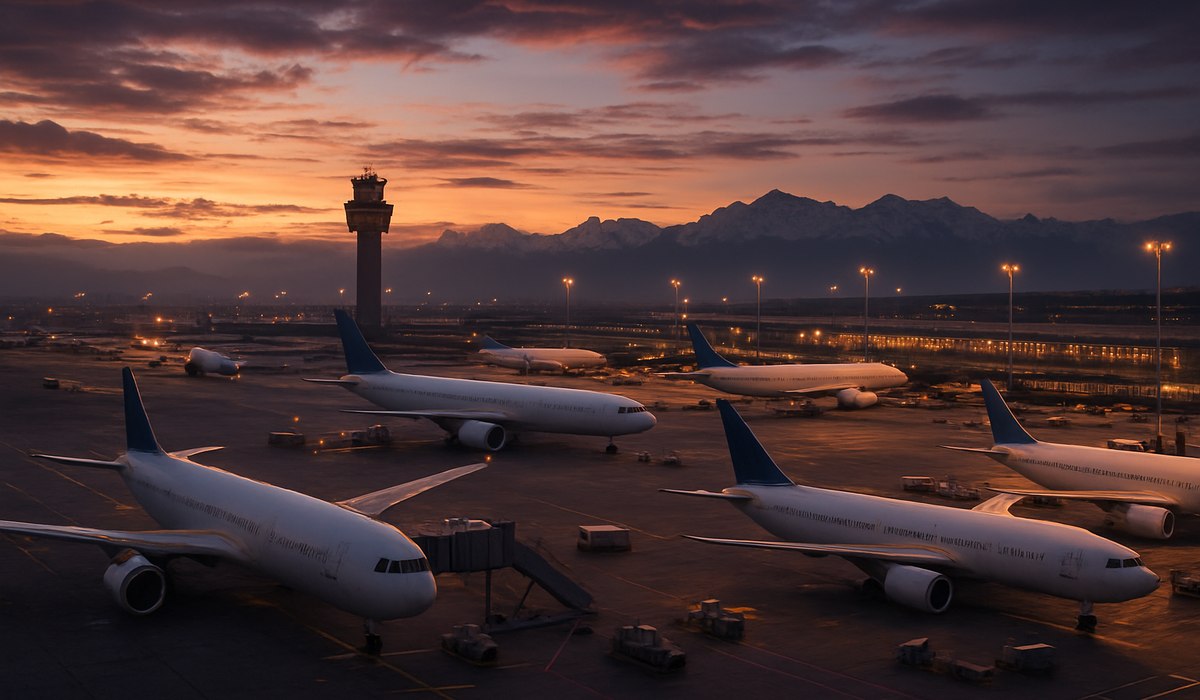
Image generated by AI
Major Disruptions at Anchorage Hub Trigger Cascading Flight Delays
Ted Stevens Anchorage International Airport in Alaska faced significant operational strain on May 8, 2026, with 39 delayed flights and 4 cancellations disrupting connections across the North Pacific. The flight disruptions anchorage experienced rippled through transpacific networks, affecting Alaska Airlines, American Airlines, Cathay Pacific, EVA Air and regional carriers transporting passengers between North America and major Asian hubs including Tokyo, Taipei and Hong Kong. This cascade of delays underscores how hub congestion at a strategic gateway airport can trigger widespread network effects affecting thousands of connecting travelers within hours.
Anchorage Hub Under Strain as Delays Mount
Anchorage serves as a critical North Pacific refueling and technical checkpoint for widebody aircraft linking the continental United States with Asia. The airport's strategic positioning means that even modest disruptions amplify quickly across airline networks. Flight tracking data from May 8 revealed delays stretching across the entire operational schedule, affecting both morning departures and evening arrivals.
The 43 total disruptions represent a substantial portion of daily movements at Anchorage, particularly when considering the hub's role in supporting long-haul cargo and passenger operations. Unlike larger mainland hubs handling thousands of daily movements, Anchorage's specialized function makes each delay disproportionately impactful. When services depart late or cancel entirely, knock-on effects reach connecting passengers in Tokyo, Taipei and Hong Kong within a single operational day, creating compounding passenger misconnections and cascading rebooking challenges across multiple airline networks.
Cascading Effects Across Transpacific Networks
The ripple effect of flight disruptions anchorage extended far beyond Alaska's borders. Transpacific route networks connecting North America with Asia became particularly vulnerable when Anchorage's turnaround windows compressed and aircraft availability tightened. Airlines operating tightly scheduled service patterns discovered that delays originating at other continental hubs—driven by weather, crew constraints or congestion—compounded when flights reached Anchorage.
Local turnaround times proved insufficient to restore on-time performance during peak operational hours. This network effect meant that a two-hour delay at Seattle or Portland could become a four-hour disruption by the time aircraft reached Anchorage, forcing missed connections and stranded passengers at the Alaska hub. Crew duty time regulations further constrained recovery options, preventing some airlines from deploying replacement aircraft or crews to restore schedules quickly.
Airlines and Routes Most Impacted
Alaska Airlines, operating the largest passenger network through Anchorage, bore the primary impact of disruptions. The carrier's domestic network connecting the Lower 48 with Alaska experienced cascading delays affecting both arriving and departing aircraft. Services to Seattle, Portland, San Francisco and Los Angeles accumulated delays throughout the day as the hub's capacity became saturated.
American Airlines flights touching Anchorage also faced significant delays, with some services originating from Dallas-Fort Worth or Charlotte experiencing compression of connection windows. Cathay Pacific and EVA Air, primarily using Anchorage for cargo operations and technical stops, reported extended ground times affecting their transpacific schedules. EVA Air's North America to Taiwan routes proved particularly vulnerable, with late arrivals at Anchorage creating cascading delays for crew duty times and onward connections at Taipei Taoyuan International Airport.
United Airlines and other carriers with Anchorage operations also experienced secondary delays, though publicly available tracking data showed Alaska Airlines absorbing the largest absolute number of disrupted flights.
| Metric | Details |
|---|---|
| Total Disruptions | 43 flights (39 delayed, 4 cancelled) |
| Primary Hub | Ted Stevens Anchorage International Airport |
| Date | May 8, 2026 |
| Major Airlines Affected | Alaska Airlines, American Airlines, Cathay Pacific, EVA Air, United Airlines |
| Key Destination Cities | Tokyo, Taipei, Hong Kong, Seattle, San Francisco |
| Typical Delay Duration | 2–4 hours, with some services exceeding 6 hours |
| Network Effect Scope | Transpacific routes, North American domestic connections, Asian gateway hubs |
What This Means for Asia-Bound Travelers
Passengers booked on connections through Anchorage faced significant travel disruptions requiring immediate action. Missed onward flights forced extended layovers, hotel accommodations and rebooking through alternative routing via Seattle, Vancouver or Los Angeles. Airlines implemented standby lists and waitlist protocols as available seats filled rapidly on alternative services.
Travelers holding connecting itineraries through Anchorage should proactively contact their airline to confirm flight status before departing for the airport. Those experiencing missed connections qualify for compensation under U.S. Department of Transportation regulations, including meal vouchers, hotel accommodations and rebooking on alternative carriers when applicable. Frequent travelers with elite frequent flyer status may receive priority rebooking and additional accommodations.
Understanding your rights under US DOT airline consumer protection rules ensures you receive entitled compensation. Real-time flight tracking via FlightAware provides continuous updates on scheduling changes and delays, allowing travelers to adjust ground transportation arrangements accordingly.
Traveler Action Checklist
- Check Your Flight Status: Visit your airline's website or FlightAware to verify real-time delays before departing for the airport
- Contact Your Airline Immediately: Call customer service to confirm your connection and request priority rebooking if delays mount
- Document All Communications: Keep email confirmations, booking references and receipts for meal purchases and transportation
- Understand Your Rights: Review US DOT consumer protections regarding meals, accommodations and compensation for missed connections
- Consider Travel Insurance: If not already covered, purchase emergency travel insurance covering missed connection rebooking
- Monitor Updated Schedules: Set flight alerts and refresh tracking information every 30 minutes during disruption windows
- Request Written Confirmation: Ask your airline for written documentation of missed connections and delay causes for compensation claims
Frequently Asked Questions
What causes flight disruptions at Anchorage? Flight disruptions anchorage stem from capacity constraints, weather delays cascading from continental hubs, crew scheduling limitations and tight aircraft utilization patterns. As a critical transpacific hub with compressed turnaround windows, even minor delays amplify rapidly through the network.
Which airlines are most affected by Anchorage delays? Alaska Airlines faces the largest impact due to its dominant network presence at Anchorage. American Airlines, United Airlines, Cathay Pacific and EVA Air also experience secondary disruptions affecting transpacific schedules and connections to Asian gateways.
Am I entitled to compensation for missed connections? Yes. Under U.S. Department of Transportation regulations, passengers experiencing airline-caused missed connections qualify for accommodations including meals, hotel stays and rebooking on alternative carriers. Visit US DOT airline consumer protection for specific compensation guidelines.
How can I track real-time flight status during disruptions? FlightAware provides live tracking of delayed and cancelled flights with estimated delays and status updates. The FAA also publishes airport delay information and traffic management initiatives affecting specific regions.
Related Travel Guides
Disclaimer
This article is for informational and educational purposes only. It does not constitute legal, financial, or professional advice. While we strive to provide accurate and up-to-date information, travel policies, regulations, and conditions change rapidly. Always verify information with official sources before making travel decisions. Nomad Lawyer makes no representations about the accuracy, reliability, completeness, or suitability of the information provided. Readers should consult qualified professionals for advice specific to their circumstances. The views expressed in this article are those of the author and do not necessarily reflect the views of Nomad Lawyer.
Preeti Gunjan
Contributor & Community Manager
A passionate traveller and community builder. Preeti helps grow the Nomad Lawyer community, fostering engagement and bringing the reader experience to life.
Learn more about our team →