
Flight Delays Slam Six Major U.S. Hubs in Early April 2026
Flight delays slam 3,281 departures across Atlanta, Chicago, Dallas, New York, Los Angeles, and Houston in early April 2026 as spring storms collide with peak Easter travel demand.

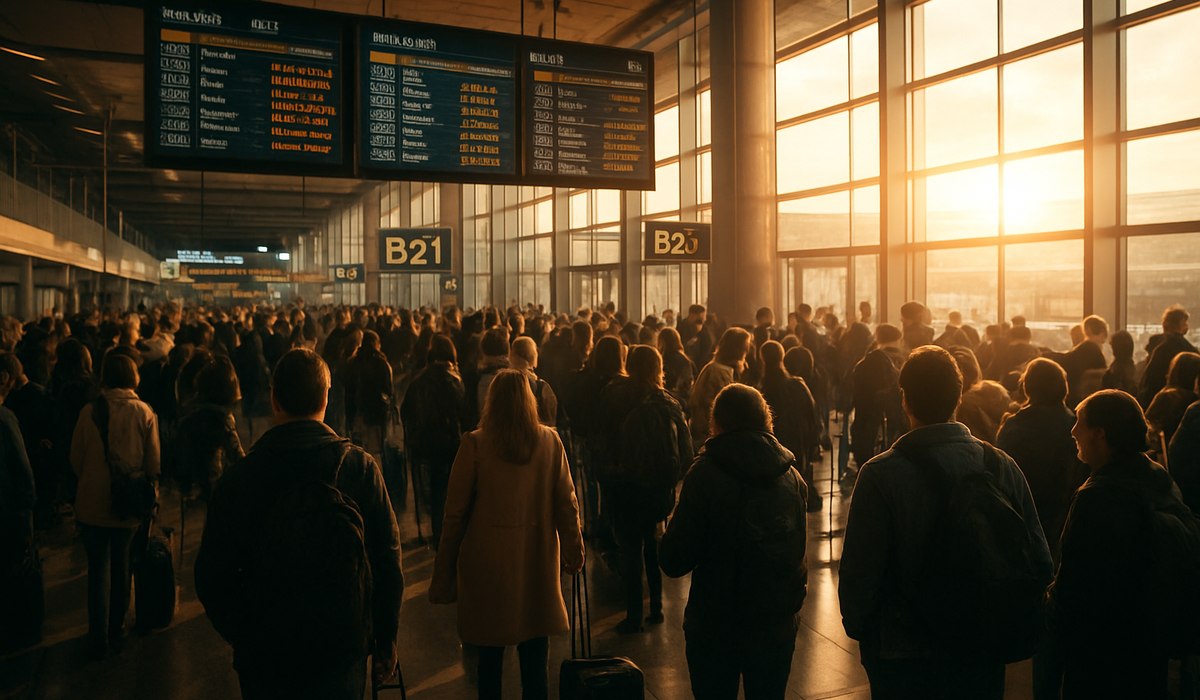
Image generated by AI
Flight Delays Slam Six Major U.S. Hubs as Spring Storms Collide with Peak Travel
Over 3,281 flight departures faced delays across six major U.S. airport hubs during the opening days of April 2026, creating widespread disruption for millions of spring break and Easter holiday travelers. The convergence of severe spring weather systems and near-peak operational capacity at America's busiest aviation centers produced cascading delays throughout the hub-and-spoke network. Airlines including United, American, and Southwest absorbed substantial delays alongside regional carriers operating feeder services into these critical hubs.
This disruption pattern affected Atlanta Hartsfield-Jackson, Chicago O'Hare, Dallas-Fort Worth, New York area airports, Los Angeles International, and Houston Bush Intercontinental—the six cornerstones of domestic air traffic flow. On March 31 alone, reports documented over 3,100 delays nationwide with more than 100 cancellations recorded across the network.
Six Major U.S. Hubs Bear the Brunt of April Disruptions
The concentration of delays at six major hubs reveals how America's aviation infrastructure creates vulnerability during peak travel periods. Atlanta, Chicago O'Hare, Dallas-Fort Worth, New York area airports, Los Angeles, and Houston funnel massive volumes of connecting traffic through limited infrastructure choke points. These hubs operate as the backbone of the U.S. hub-and-spoke system, meaning weather disruptions or congestion at any single location reverberates through hundreds of connecting flights.
Flight-tracking data from early April shows individual hubs experiencing hundreds of delayed departures on the worst days. Chicago and eastern regional hubs recorded especially dense congestion as weather systems moved from west to east. The disruption was not isolated to one airline or geographic region—instead, delays accumulated simultaneously across multiple hubs as severe weather patterns intersected with spring holiday travel surges. This pattern created a compounding effect where passengers experienced early-morning schedule interruptions, growing departure gate queues, and evening peaks when missed connections scattered aircraft and crews across the network far from planned positions.
How the Hub-and-Spoke System Amplifies Travel Chaos
The hub-and-spoke model, while efficient for connecting millions of passengers daily, creates inherent vulnerabilities during weather events. A single aircraft typically operates multiple legs across several hubs throughout a day. When an early departure is delayed due to storms or air-traffic control restrictions, that delay cascades through every subsequent flight depending on that same aircraft.
This amplification effect means a two-hour ground stop at one hub can produce four-hour delays at connecting airports miles away. Regional airlines operating smaller aircraft on feeder routes connecting secondary cities to major hubs face particularly acute challenges. When hub operations slow, these regional flights become priority candidates for rescheduling or cancellation, especially late in the day when recovery options disappear entirely.
The system's tight operational margins mean little recovery slack exists. Airlines roster aircraft and crews with minimal downtime between segments. Once disruptions begin accumulating, recovery requires hours or days rather than minutes. Staff shortages in air traffic control, maintenance window constraints, and gate availability limitations further restrict how quickly the system can absorb and recover from initial delays.
Weather, Demand and Tight Operations Create Perfect Storm
Spring weather patterns in late March and early April 2026 brought successive storm systems across Texas, the Midwest, and the East Coast. Heavy rain, severe thunderstorms, and localized flooding temporarily reduced arrival and departure capacity at major airports, triggering ground stops and traffic diversions that immediately slowed flight flows.
This adverse weather collided directly with robust travel demand as families moved for spring break and Easter holidays. U.S. airlines carried several million passengers daily during this period, with aircraft operating near full capacity. When weather forces even modest reductions in airport throughput, the system has minimal capacity to absorb the disruption.
Operational staffing remains another factor. While large-scale shortages from the immediate post-pandemic period have eased, air traffic control staffing levels, maintenance scheduling, and gate availability continue constraining recovery speed once delays begin compounding. Airlines cannot simply add extra flights to catch up—they lack the crews, gates, and control system capacity to surge operations above planned levels.
What Passengers Should Expect During Peak Spring Travel
Travelers booking flights during peak spring periods should anticipate potential disruptions and plan accordingly. Flight delays during major holiday travel windows are increasingly common, particularly when severe weather aligns with high passenger volumes. Airlines and airports operate with minimal buffer capacity, meaning weather events quickly cascade into hours-long delays.
Check real-time flight status using FlightAware before heading to the airport. Monitor FAA aviation weather and ground delay programs for your departure airport. Allow extra time for connections, particularly through major hubs where congestion spreads quickly. Consider purchasing travel insurance that covers weather-related delays. Review your airline's policies on meal vouchers, hotel accommodations, and rebooking options before disruptions occur.
Traveler Action Checklist
- Verify your flight status 24 hours before departure using your airline's app or FlightAware to identify developing delays early
- Book morning flights when possible to minimize exposure to cascading delays that typically peak in afternoon and evening hours
- Avoid tight connections through major hubs by allowing at least two hours between flights during peak spring travel periods
- Photograph your boarding pass and save airline contact information before arriving at the airport
- Know your rights by reviewing Department of Transportation passenger protections at US DOT
- Keep receipts for all expenses incurred due to weather-related delays for potential reimbursement claims
- Request written documentation of weather-caused delays from the airline or airport before departing
- Follow your airline's rebooking process immediately rather than waiting in queues, as later rebooking options diminish throughout the day
Key Data: April 2026 Flight Disruption Summary
| Metric | Details |
|---|---|
| Total Delayed Departures | 3,281+ across six hubs (early April 2026) |
| Peak Day Delays | 3,100+ delays recorded on March 31, 2026 |
| Peak Day Cancellations | 100+ cancellations on March 31, 2026 |
| Primary Affected Hubs | Atlanta, Chicago O'Hare, Dallas-Fort Worth, New York area, Los Angeles, Houston |
| Primary Weather Events | Spring storms with heavy rain, thunderstorms, localized flooding across central and eastern U.S. |
| Contributing Factors | Peak Easter/spring break travel demand + tight operational margins + air traffic control staffing constraints |
| Major Affected Airlines | United Airlines, American Airlines, Southwest Airlines + regional carriers (Envoy, SkyWest, others) |
| Cascading Impact Duration | Early morning disruptions extending through evening with recovery requiring 24-48 hours |
What This Means for Travelers
Flight delays slam the aviation system predictably when spring storms coincide with holiday travel demand. The April 2026 disruptions affecting six major hubs demonstrate how interconnected the U.S. air traffic system has become. A weather event at one hub immediately impacts connecting passengers and aircraft schedules across the entire network.
For frequent travelers, these disruption patterns suggest booking strategies that minimize hub connections during peak spring periods. For all travelers, understanding passenger rights and airline policies proves essential when delays occur. The Department of Transportation provides protections including meal vouchers, hotel accommodations, and rebooking guarantees for weather-related delays, though specific provisions vary by airline and circumstance.
Airlines continue operating with minimal buffer capacity to maximize efficiency and profitability. This optimization works smoothly during normal conditions but provides no margin for absorbing disruptions.
Disclaimer
This article is for informational and educational purposes only. It does not constitute legal, financial, or professional advice. While we strive to provide accurate and up-to-date information, travel policies, regulations, and conditions change rapidly. Always verify information with official sources before making travel decisions. Nomad Lawyer makes no representations about the accuracy, reliability, completeness, or suitability of the information provided. Readers should consult qualified professionals for advice specific to their circumstances. The views expressed in this article are those of the author and do not necessarily reflect the views of Nomad Lawyer.
Preeti Gunjan
Contributor & Community Manager
A passionate traveller and community builder. Preeti helps grow the Nomad Lawyer community, fostering engagement and bringing the reader experience to life.
Learn more about our team →