
Flight Delays and Cancellations Disrupt JFK Operations
John F. Kennedy International Airport reports 99 delays and 5 cancellations, affecting major airlines like American Airlines and Delta Air Lines on routes to Los Angeles, Chicago, and more.

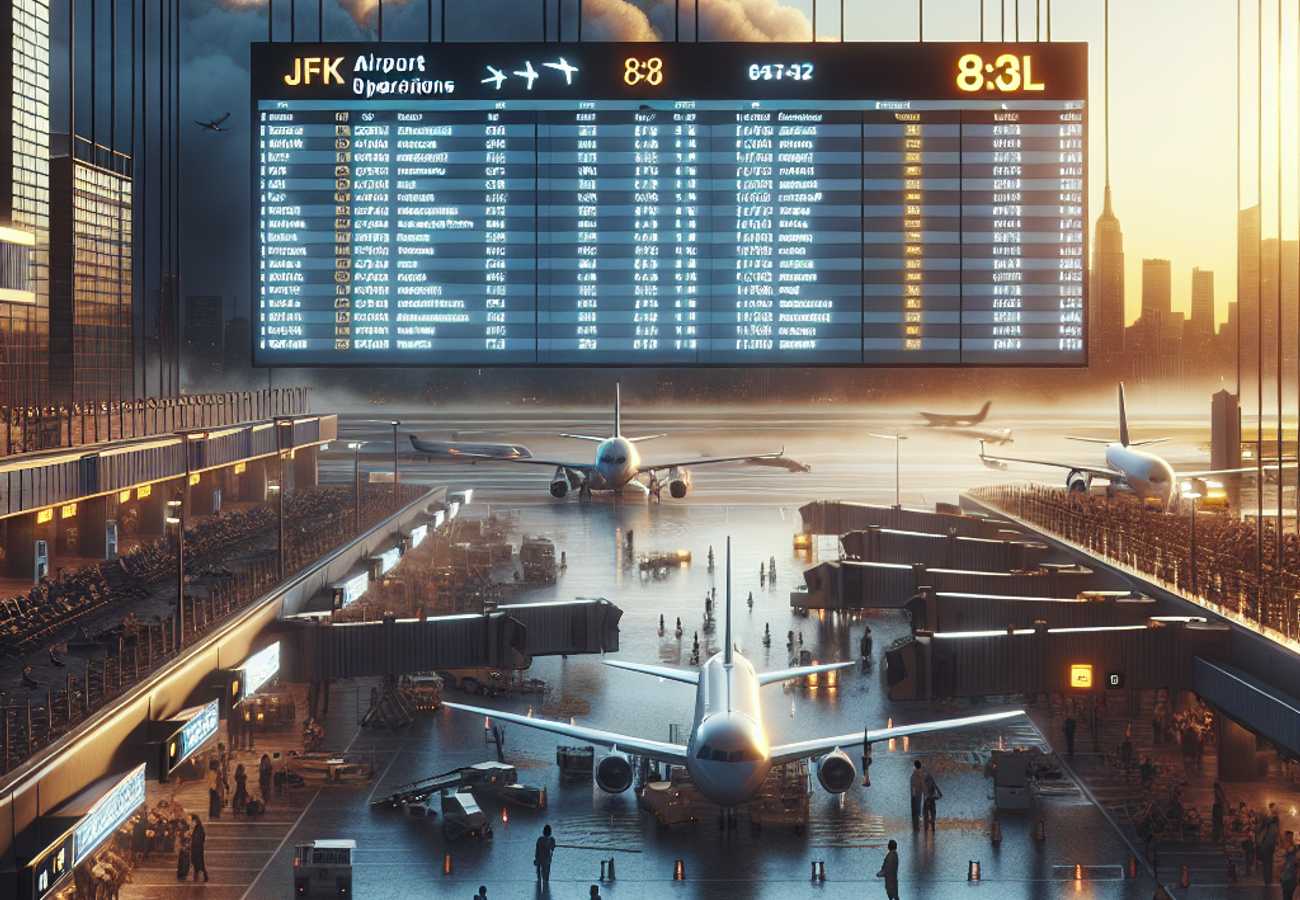
Image generated by AI
Travelers Stranded at JFK Airport Amidst Major Flight Disruptions
New York, United States—Passengers at John F. Kennedy International Airport are facing significant travel disruptions, with 99 flights delayed and 5 canceled, affecting both domestic and international routes. These delays have primarily impacted major airlines such as American Airlines, Delta Air Lines, and JetBlue Airways, affecting routes to destinations including Los Angeles, Chicago, London, Paris, and Dubai.
FAA Reports Weather and Congestion as Key Issues
The Federal Aviation Administration (FAA) has attributed these disruptions to adverse weather conditions and airspace congestion. The FAA's daily reports highlight issues such as wind patterns, low visibility, and storm systems, which have necessitated increased spacing between aircraft during takeoff and landing, thus reducing airport capacity.
Systemic Challenges in New York's Airspace
New York's airspace, one of the busiest globally, exacerbates these issues. Even minor operational slowdowns can cause widespread delays, impacting both domestic and international travel. JFK, a crucial hub for transcontinental and international flights, experiences amplified delays during peak hours, affecting global travel flows.
Impact on Airlines and Passengers
Major carriers at JFK are experiencing significant disruptions, particularly affecting long-haul international routes. Passengers are facing missed connections, potential overnight stays, and additional expenses. The airport's ongoing modernization efforts, while intended to improve passenger flow, add complexity during peak traffic periods.
Navigating the Challenges
Travelers are advised to plan with flexibility, considering earlier flights and longer connection times. Monitoring real-time updates and considering alternative routes can help mitigate the impact of delays.
The Human Element
Behind the statistics lie the stories of travelers dealing with disrupted plans. The airline and airport staff continue to work under pressure to maintain operations and passenger safety.
Looking Forward
Experts anticipate continued volatility, especially during peak travel seasons. However, investments in infrastructure and technology promise a more resilient future for air travel.
Related Travel Guides
Disclaimer
This article is for informational and educational purposes only. It does not constitute legal, financial, or professional advice. While we strive to provide accurate and up-to-date information, travel policies, regulations, and conditions change rapidly. Always verify information with official sources before making travel decisions. Nomad Lawyer makes no representations about the accuracy, reliability, completeness, or suitability of the information provided. Readers should consult qualified professionals for advice specific to their circumstances. The views expressed in this article are those of the author and do not necessarily reflect the views of Nomad Lawyer.
Kunal K Choudhary
Co-Founder & Contributor
A passionate traveller and tech enthusiast. Kunal contributes to the vision and growth of Nomad Lawyer, bringing fresh perspectives and driving the community forward.
Learn more about our team →