
Flair Airlines Secures CTA Approval for Cuba Routes: Can Budget Carrier Revive Tourism During Island's Fuel Crisis?
Flair Airlines receives Canadian Transportation Agency approval to operate Cuba flights as fuel crisis devastates island tourism. Air Canada and WestJet scale back operations.

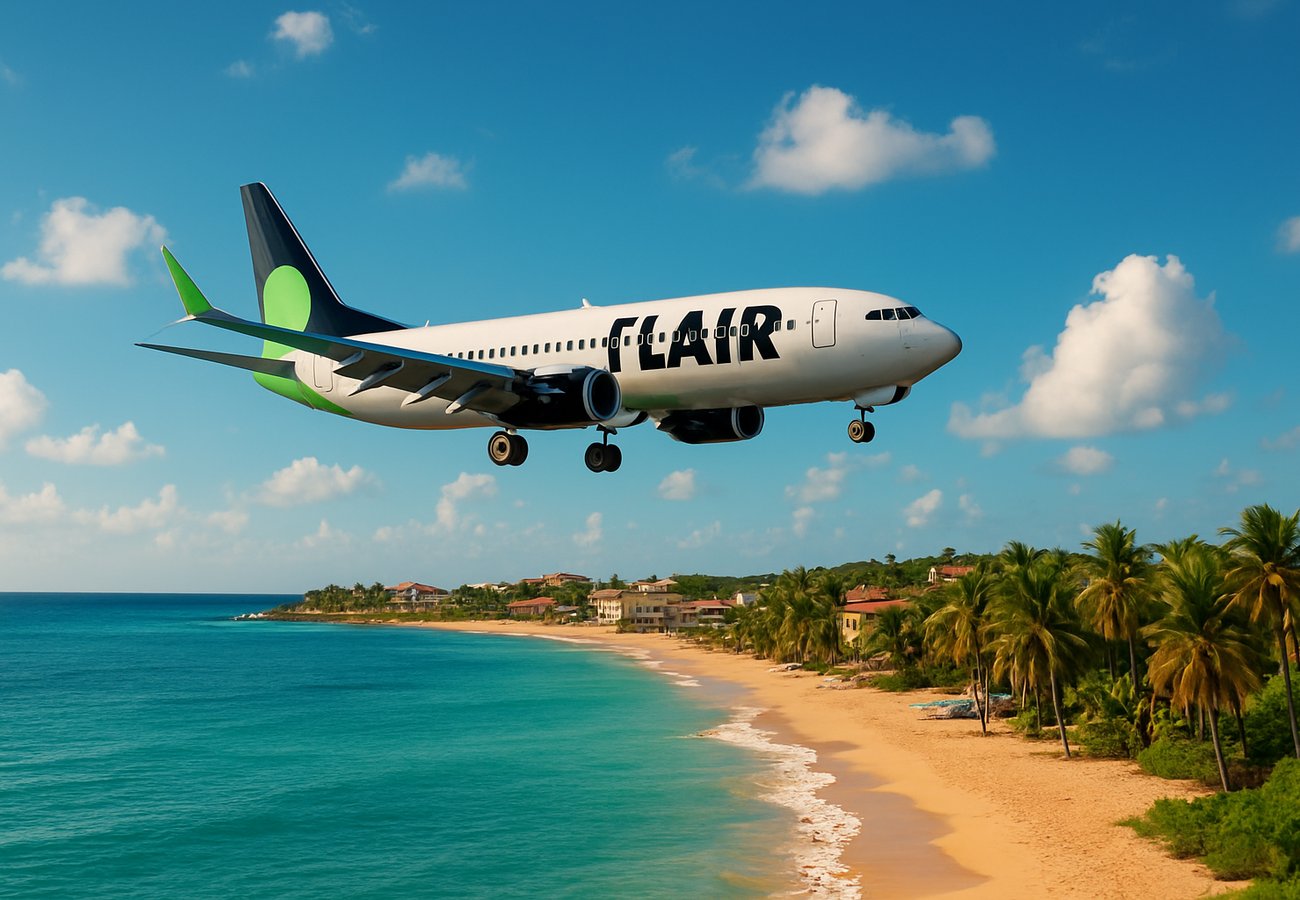
Image generated by AI
Flair Airlines Secures Historic CTA Approval for Cuba Operations
Flair Airlines, the Edmonton-based Canadian budget carrier, has received groundbreaking approval from the Canadian Transportation Agency (CTA) to operate flights to Cuba, marking a pivotal moment in the Caribbean aviation market. This decision, announced in early April 2026, arrives amid an unprecedented fuel crisis that has crippled the island's tourism sector and forced major carriers like Air Canada and WestJet to suspend or significantly reduce their Cuban operations.
The approval signals potential recovery for Cuba's beleaguered hospitality industry, though significant challenges remain. As the island grapples with severe jet fuel shortages and widespread infrastructure disruptions, Flair's entry into the market represents both opportunity and uncertainty for travelers and tourism stakeholders alike.
The Escalating Fuel Crisis: Context and Impact
Cuba's energy crisis has reached critical levels, fundamentally disrupting the nation's aviation sector and tourism economy. The situation stems from multiple compounding factors that have left the island without adequate commercial aviation fuel.
Root Causes of the Fuel Shortage
The fuel crisis originated with disruptions to Venezuelan oil supplies, Cuba's traditional energy lifeline. The situation deteriorated significantly when Mexico's state-owned oil company Pemex suspended shipments to Cuba in response to international sanctions. This dual supply disruption left Cuban airports unable to provide Jet A-1 aviation fuel, the essential fuel required for commercial air travel operations.
Since February 2026, Cuban airports have faced severe and persistent fuel shortages, with no commercial jet fuel available for either domestic or international flights. Airlines attempting to refuel aircraft on the island have encountered systematic obstacles, resulting in widespread flight cancellations and emergency repatriation of stranded travelers.
Tourism Sector Collapse
The impact on Cuba's tourism-dependent economy has been catastrophic:
- 112,000 fewer tourists visited Cuba in January and February 2026 compared to the same period in 2025
- Hotel occupancy rates plummeted to approximately 18.9% for the first two months of 2026, compared to historical rates of 65-70%
- Major Canadian carriers including Air Canada, Air Transat, and WestJet have delayed their return to Cuban routes until later in the year or beyond
- Sunwing Vacations has adjusted schedules based on unpredictable fuel availability
The hospitality sector faces compounding crises beyond fuel shortages, including widespread electricity outages, water rationing, and difficulty sourcing basic supplies—conditions that have severely degraded the tourist experience and hotel service quality.
Flair Airlines' Strategic Entry: Opportunity or Gamble?
The Airline's Market Position
Flair Airlines operates a fleet of Boeing 737 MAX 8 aircraft, known for their fuel efficiency and modern comfort features. The carrier has successfully expanded its Caribbean presence with routes to Mexico and the Dominican Republic, establishing itself as a competitive low-cost operator in the region.
The airline's decision to enter the Cuban market at a time of acute crisis reflects either bold confidence in the island's long-term tourism recovery or strategic positioning to capture market share as competitors retreat. Flair's approval from the Canadian Transportation Agency positions it as the first major carrier to actively expand Cuban operations while others consolidate.
Competitive Landscape
The approval creates a stark contrast with major Canadian carriers' cautious approach:
- Air Canada has suspended flights for the foreseeable future
- WestJet has significantly scaled back operations
- Air Transat has delayed return to Cuban routes
- Sunwing Vacations operates on a limited, unpredictable schedule
Flair's entry fills a critical gap in Canadian-Cuban connectivity, though the airline faces substantial operational uncertainties.
Critical Challenges Facing Flair's Cuba Operations
Fuel Availability and Flight Reliability
The most pressing concern for Flair's Cuba operations remains the fundamental issue of jet fuel availability. Despite regulatory approval, the airline cannot guarantee consistent flight schedules or departure times without reliable access to Jet A-1 aviation fuel at Cuban airports, particularly at Havana and Varadero facilities.
Flight delays and cancellations remain highly probable given current fuel supply conditions. Travelers should expect schedule volatility and maintain flexibility in their travel plans.
Infrastructure and Hospitality Limitations
Beyond fuel constraints, Cuba's tourism infrastructure faces severe operational challenges:
- Reduced hotel occupancy means limited accommodation options and potential service degradation
- Transportation disruptions from airports to hotels create logistical complications
- Power outages affect hotel operations, guest comfort, and essential services
- Supply chain issues limit food, water, and basic amenities availability
These conditions create a challenging environment for tourism recovery, regardless of flight availability.
What This Means for Travelers
Prospective travelers considering Cuba should carefully evaluate current conditions before booking:
Before You Book:
- Verify all flight schedules directly with Flair Airlines or official sources, as changes are likely
- Book accommodations well in advance, as availability is severely limited
- Maintain maximum flexibility in travel dates and be prepared for cancellations
- Check real-time updates on Cuba's fuel situation through aviation tracking services like FlightAware
- Review your airline's cancellation and refund policies thoroughly
During Your Trip:
- Expect potential service limitations at hotels and resorts
- Plan for possible power outages and water rationing
- Allow extra time for ground transportation
- Carry essential supplies and medications
- Monitor local conditions and airline communications continuously
Financial Considerations:
- Budget-friendly fares from Flair Airlines may offset higher accommodation costs due to limited availability
- Consider travel insurance that covers fuel-related cancellations
- Be prepared for potential additional expenses due to service disruptions
The Path Forward: Recovery Timeline and Prospects
The approval of Flair Airlines represents a cautiously optimistic signal for Cuba's tourism sector, yet recovery remains uncertain and dependent on factors beyond aviation control.
Necessary Conditions for Sustained Recovery
For Cuba's tourism to genuinely revive, several critical conditions must be met:
- Stabilization of fuel supplies through renewed international agreements or alternative supply arrangements
- Restoration of hotel and hospitality infrastructure to acceptable service standards
- Resolution of electricity and water supply issues affecting tourist comfort and safety
- Return of major carriers like Air Canada and WestJet to provide competitive capacity and pricing
- International coordination on sanctions and trade policies affecting fuel imports
Flair's Role in Recovery
Flair Airlines serves as a test case for market viability. The airline's success or failure in maintaining consistent Cuban operations will signal to other carriers whether the market conditions have stabilized sufficiently for broader re-engagement.
The carrier's budget model may prove advantageous in a depressed market, offering price-sensitive travelers access to Cuba despite infrastructure challenges. However, sustained operations require resolution of the fundamental fuel crisis.
Conclusion: Cautious Optimism Amid Uncertainty
Flair Airlines' approval from the Canadian Transportation Agency to operate Cuba flights marks a significant development in the Caribbean aviation market. The decision demonstrates confidence in Cuba's long-term appeal and provides a potential lifeline for the island's tourism sector, which has experienced historic declines.
However, the path to genuine tourism recovery remains fraught with challenges. The fuel crisis that prompted Air Canada, WestJet, and other major carriers to suspend or reduce operations has not been resolved. Hotel occupancy rates remain critically low, and infrastructure disruptions continue to affect the tourist experience.
For travelers, Flair Airlines' entry offers new flight options and potentially competitive pricing. However, booking decisions should be made with full awareness of current conditions, realistic expectations about service quality, and maximum flexibility regarding travel dates and plans.
The coming months will reveal whether Flair Airlines can successfully navigate Cuba's turbulent operating environment and whether the airline's presence catalyzes broader tourism recovery or remains a limited operation dependent on fuel supply stabilization.
Related Travel Guides
Disclaimer
This article is for informational and educational purposes only. It does not constitute legal, financial, or professional advice. While we strive to provide accurate and up-to-date information, travel policies, regulations, and conditions change rapidly. Always verify information with official sources before making travel decisions. Nomad Lawyer makes no representations about the accuracy, reliability, completeness, or suitability of the information provided. Readers should consult qualified professionals for advice specific to their circumstances. The views expressed in this article are those of the author and do not necessarily reflect the views of Nomad Lawyer.
Kunal K Choudhary
Co-Founder & Contributor
A passionate traveller and tech enthusiast. Kunal contributes to the vision and growth of Nomad Lawyer, bringing fresh perspectives and driving the community forward.
Learn more about our team →