
American Airlines Opens $3 Billion Terminal Expansion at Dallas-Fort Worth, Debuts Industry-First Smart Gates
Breaking airline news and aviation industry updates for 2026.

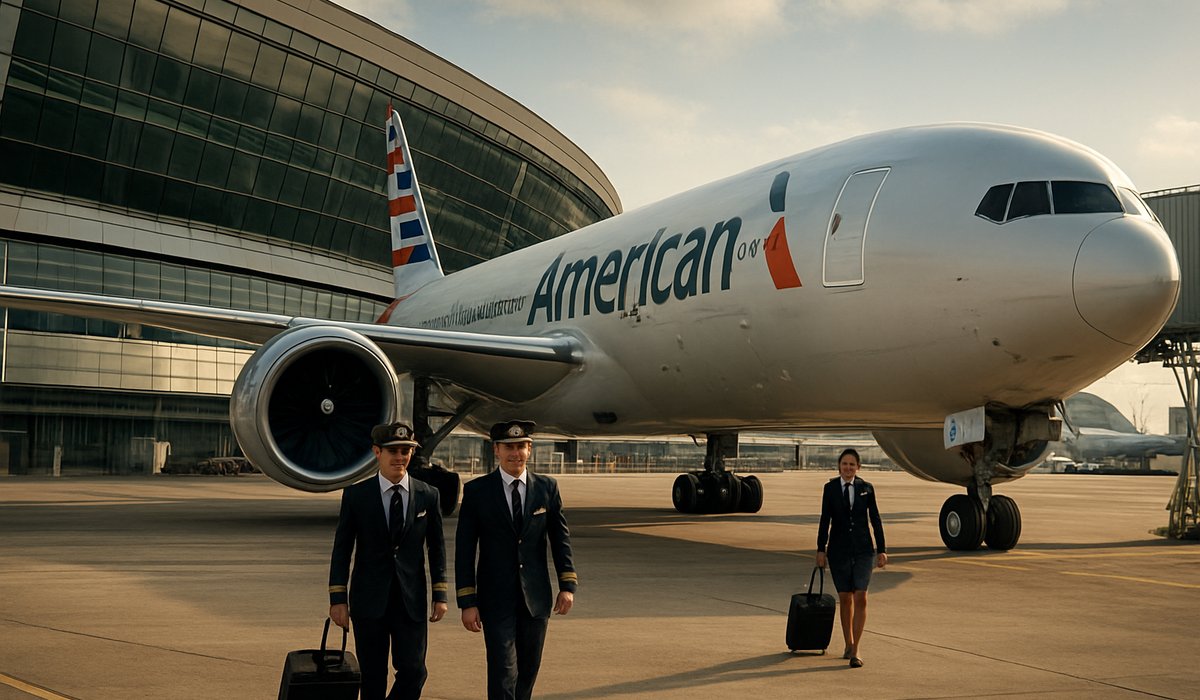
Image generated by AI
American Airlines Opens $3 Billion Terminal Expansion at Dallas-Fort Worth, Debuts Industry-First Smart Gates
The carrier's massive infrastructure investment signals competitive pressure and shifting passenger expectations in post-pandemic aviation
Major Milestone Reshapes DFW Hub Operations
American Airlines has unveiled a transformative expansion at its Dallas-Fort Worth International Airport hub, completing the first phase of a $3 billion capital investment that introduces nine newly constructed gates featuring cutting-edge electronic boarding technology. The Terminal C pier opening represents a strategic inflection point for the carrier, which has faced intensifying competition and evolving passenger demands in the recovering aviation market.
The newly operational gates mark the first large-scale deployment of fully automated boarding systems across the commercial airline industry, positioning American Airlines ahead of competitors in terminal infrastructure modernization. This technological advancement streamlines passenger flow, reduces boarding times, and minimizes operational bottlenecks—critical efficiency gains as airlines contend with rising operational costs stemming from elevated jet fuel prices and labor expenses.
Infrastructure Investment Amid Industry Pressures
The $3 billion expansion underscores the aviation sector's capital-intensive recovery trajectory. Major carriers have undertaken substantial infrastructure investments to accommodate post-pandemic travel demand while addressing aging terminal facilities and capacity constraints. For American Airlines, the Dallas-Fort Worth hub represents a strategic battleground; the carrier operates more flights from DFW than any competitor, making facility modernization essential for maintaining competitive advantages.
The timing reflects broader industry trends. As jet fuel prices remain volatile and airline operating margins face pressure, carriers are investing in infrastructure improvements to enhance operational efficiency and passenger experience—differentiators that influence market share in an increasingly commoditized travel landscape.
Smart Gate Technology Sets New Standard
The electronic boarding gates deployed at Terminal C represent a departure from industry convention. Traditional manual gate operations create delays, particularly during peak travel periods. American Airlines' new system digitizes the boarding process, reducing check-in friction and generating real-time operational data that enhances airport resource allocation.
This infrastructure modernization occurs as passengers increasingly demand seamless travel experiences, particularly following years of pandemic-related disruptions. The technology adoption signals that major carriers recognize infrastructure quality as a competitive lever—one that justifies substantial capital expenditure despite economic headwinds.
Competitive Landscape and Future Expansion
The Dallas-Fort Worth terminal expansion positions American Airlines to accommodate projected capacity growth while defending its market position against carriers including Southwest Airlines and United Airlines. The broader $3 billion investment extends beyond the nine gates now operational, suggesting multi-phase development that will reshape DFW's operational capacity over coming years.
Industry analysts view such infrastructure commitments as essential amid structural shifts in aviation economics. Rising labor costs, fuel price volatility, and intensifying competition necessitate operational efficiencies that only modern facilities can deliver.
FAQ: American Airlines DFW Expansion & Aviation Infrastructure
What does the $3 billion American Airlines expansion include? The investment encompasses Terminal C redevelopment at Dallas-Fort Worth International Airport, with the initial phase delivering nine state-of-the-art gates featuring industry-first electronic boarding technology.
How do electronic boarding gates improve operations? Smart gate systems digitize passenger boarding, reducing processing delays, minimizing gate congestion, and generating operational data that enhances airport resource management and flight punctuality.
Why are airlines investing heavily in terminal infrastructure now? Post-pandemic demand recovery, rising jet fuel prices, labor cost increases, and competitive pressures drive carriers to improve operational efficiency through modern facilities and technology adoption.
How does this affect airline ticket prices and baggage fees? Major infrastructure investments increase carrier operating costs, potentially influencing pricing strategies across fares and ancillary fees like baggage charges as airlines offset capital expenditures.
Is Dallas-Fort Worth a hub for other major carriers? Yes—American Airlines' DFW hub competes with hubs operated by Southwest Airlines and United Airlines, making infrastructure modernization critical for maintaining market competitiveness and operational superiority.
Related Travel Guides
External Resources
Disclaimer
This article is for informational and educational purposes only. It does not constitute legal, financial, or professional advice. While we strive to provide accurate and up-to-date information, travel policies, regulations, and conditions change rapidly. Always verify information with official sources before making travel decisions. Nomad Lawyer makes no representations about the accuracy, reliability, completeness, or suitability of the information provided. Readers should consult qualified professionals for advice specific to their circumstances. The views expressed in this article are those of the author and do not necessarily reflect the views of Nomad Lawyer.
Raushan Kumar
Founder & Lead Developer
Full-stack developer with 11+ years of experience and a passionate traveller. Raushan built Nomad Lawyer from the ground up with a vision to create the best travel and law experience on the web.
Learn more about our team →