
Fiji's Floating Island Eco-Tourism Project to Drive Economic Growth in Macuata Vanua Levu 2026
The Floating Island Eco-Tourism Project in Macuata, Vanua Levu, is set to transform Fiji's Northern Division through a community-led sustainable travel model focused on indigenous landownership and environmental preservation.

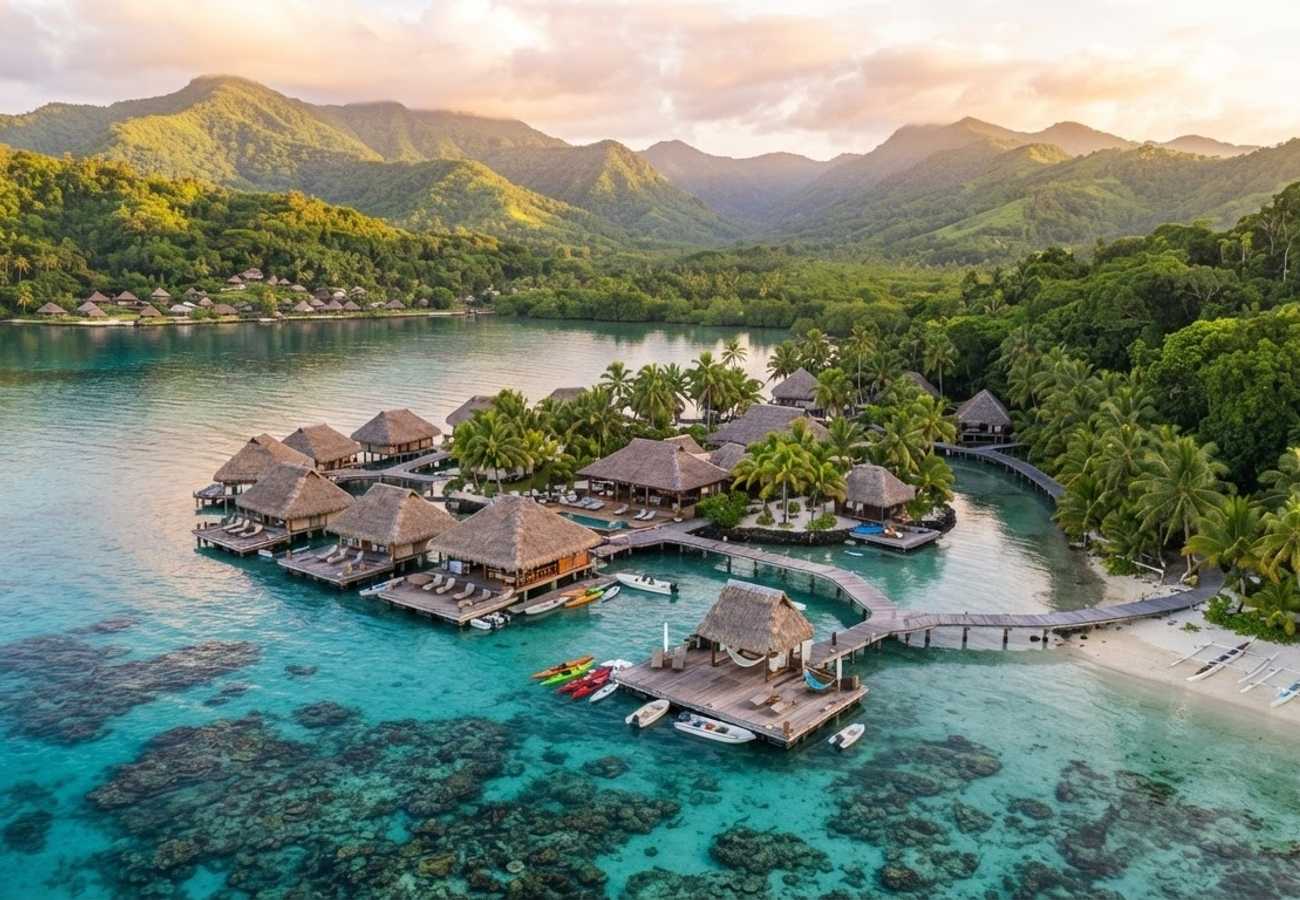
Image generated by AI
Fiji is pivoting toward high-impact, low-footprint travel with the launch of the Floating Island Eco-Tourism Project in the Northern Division. This initiative positions Macuata as a primary hub for sustainable travel by integrating traditional landownership with modern eco-hospitality.
The proposed development in Macuata, located on the island of Vanua Levu, has secured critical backing from local stakeholders. The project focuses on Wainidrua village, aiming to convert natural assets into economic drivers without compromising the ecological integrity of the region.
Unlike traditional resort models, this venture places the Malayali Bukawaqa—the traditional landowning group of Wainidrua Village—at the center of the operational and decision-making framework. This ensures that the economic benefits of tourism remain within the community.
Strategic Project Framework
The development is designed to meet the rising global demand for authentic, responsible travel. By shifting the focus from sheer visitor volume to "meaningful experiences," the project aims to protect the cultural identity of Vanua Levu.
Key pillars of the development include:
- Indigenous Leadership: Traditional landowners hold central roles in the development process.
- Economic Diversification: Creation of new revenue streams in hospitality, environmental guiding, and small business development.
- Environmental Stewardship: Implementation of sustainable planning to prevent ecosystem pressure.
- Skill Acquisition: Targeted training programs for residents in hospitality management and tourism operations.
Implementation and Local Integration
To ensure the project moves from proposal to reality, a dedicated community project committee is being established. This body will oversee land arrangements and coordinate the rollout of training initiatives.
Our analysis of the project's structure indicates a move toward "vertical integration" for the local community. Rather than providing only entry-level labor, the plan includes training in:
- Visitor services and guest relations.
- Environmental protection and conservation management.
- Tourism operations and hospitality management.
Regional Impact on Vanua Levu
Macuata is positioned to become Fiji's next premier eco-tourism destination. The region's unique landscapes and cultural heritage provide a competitive advantage over the saturated markets of the main islands.
Market trends suggest that travelers are increasingly avoiding generic luxury packages in favor of community-based tourism. The Floating Island project aligns with this shift, potentially triggering a wave of secondary investments across the Northern Division.
Why This Matters: Industry Analysis
From a logistical and economic perspective, this project represents a shift in Fiji's tourism geography. Historically, tourism wealth has been concentrated in the Viti Levu and Mamanuca regions. By establishing a viable, community-led model in Macuata, Fiji is effectively decentralizing its tourism economy.
For the travel industry, the "Floating Island" concept is a test case for indigenous-led development. If successful, it proves that traditional landowning groups can manage complex tourism assets without relying on external corporate conglomerates. This reduces "leakage"—the phenomenon where tourism profits leave the host country—and ensures a higher percentage of every dollar spent stays in the local village economy.
Forward Outlook
The success of the Macuata project will likely dictate the blueprint for future developments in the Northern Division. Expect a surge in nature-based tourism infrastructure across Vanua Levu as other landowning groups seek to replicate the Wainidrua model.
The immediate next steps involve the finalization of land tenure agreements and the commencement of the first wave of vocational training for village residents.
Fiji is redefining the boundary between luxury travel and local empowerment.
Related Travel Guides
Disclaimer
This article is for informational and educational purposes only. It does not constitute legal, financial, or professional advice. While we strive to provide accurate and up-to-date information, travel policies, regulations, and conditions change rapidly. Always verify information with official sources before making travel decisions. Nomad Lawyer makes no representations about the accuracy, reliability, completeness, or suitability of the information provided. Readers should consult qualified professionals for advice specific to their circumstances. The views expressed in this article are those of the author and do not necessarily reflect the views of Nomad Lawyer.
Raushan Kumar
Founder & Lead Developer
Full-stack developer with 11+ years of experience and a passionate traveller. Raushan built Nomad Lawyer from the ground up with a vision to create the best travel and law experience on the web.
Learn more about our team →