
Fighter Jets Radar Systems: Why AESA Technology Dominates 2026 Air Superiority
Advanced fighter jets radar systems powered by AESA technology have emerged as the true differentiator in 2026 air superiority, surpassing stealth capabilities alone in determining aerial dominance.

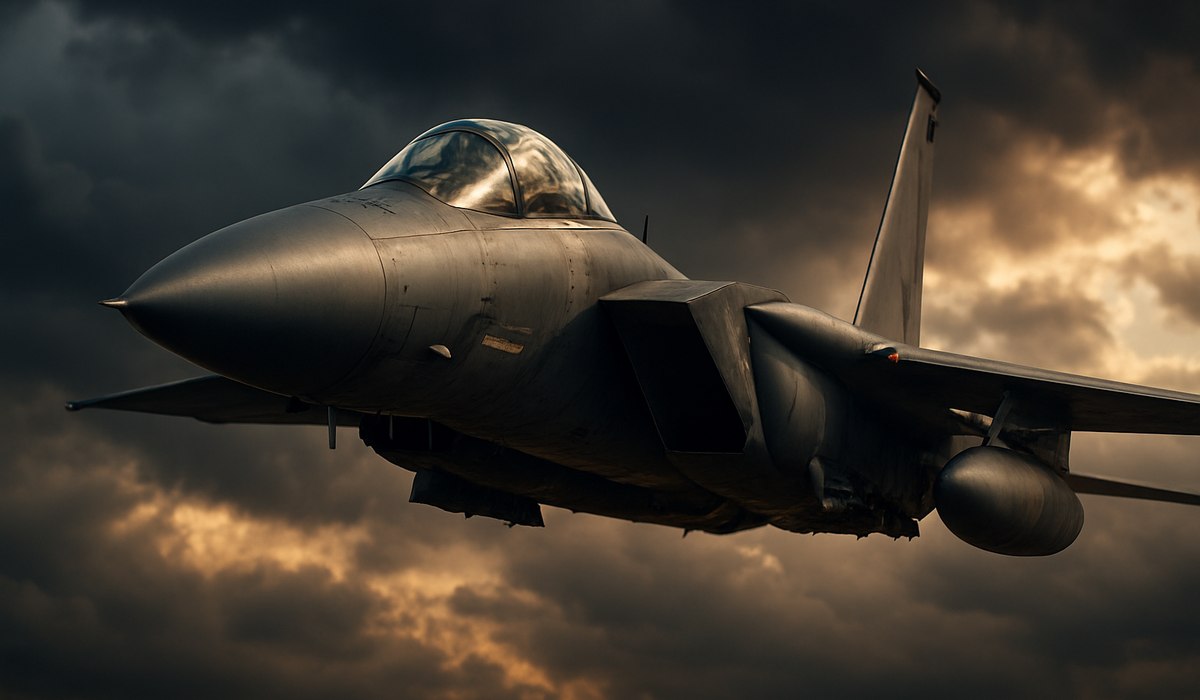
Image generated by AI
Modern Fighter Jets Radar Systems Reshape 2026 Air Combat Strategy
While contemporary defense discussions emphasize stealth technology and unmanned systems, fighter jets radar systems represent the genuine technological game-changer in 21st-century aerial warfare. Industry experts and military analysts increasingly recognize that active electronically scanned array (AESA) radar technology fundamentally distinguishes next-generation combat aircraft from legacy platforms. The advancement from traditional mechanically-steered systems to modern fighter jets radar systems equipped with AESA capability has redefined air superiority calculations across global military operations in 2026.
Understanding AESA Radar Technology and Its Strategic Advantage
Active electronically scanned array radar represents a revolutionary departure from conventional antenna systems. Rather than mechanically rotating a single antenna, AESA systems employ thousands of individual transmitter-receiver modules working in concert. This distributed approach enables fighter jets radar systems to scan multiple targets simultaneously while maintaining exceptional detection range and accuracy.
AESA-equipped fighter jets radar systems deliver superior performance across critical dimensions. These advanced systems detect smaller radar cross-sections at greater distances, identify targets through dense electronic interference, and switch rapidly between surveillance and weapon guidance modes. The technology enables modern aircraft to track numerous threats concurrently—a capability absolutely essential in contemporary multi-threat environments. Traditional mechanically-scanned systems, by contrast, sacrifice scanning speed and multi-target engagement capacity for scanning simplicity.
Top 5 Fighter Jets With Advanced Radar Systems Leading 2026 Operations
Modern military aviation features several platforms renowned for exceptional fighter jets radar systems capabilities. The F-35 Lightning II integrates the Northrop Grumman AN/APG-81 AESA system, enabling unprecedented sensor fusion across distributed forces. The F-22 Raptor carries the AN/APG-77(V)1, combining stealth technology with advanced radar performance. China's J-20 features an indigenously-developed AESA array optimized for regional air superiority operations.
The Eurofighter Typhoon employs the Captor-E AESA radar, significantly enhancing European air defense capabilities since its recent operational integration. Additionally, the Gripen E/F platform incorporates the Raven ES-05 AESA system, delivering sophisticated detection and engagement solutions across Scandinavian and allied operations.
These fighter jets radar systems represent substantial investment in advanced detection technology, recognizing that air superiority in 2026 depends equally on sensor capability and platform stealth characteristics.
How Radar Technology Shapes Contemporary Air Superiority Doctrine
Air superiority in the modern era transcends stealth considerations alone. Fighter jets radar systems now occupy central strategic importance in force planning and operational doctrine across NATO, Indo-Pacific, and Russian military commands. Military strategists recognize that detection range advantage translates directly to tactical superiority—the first combatant identifying their opponent gains decisive engagement advantage.
AESA-equipped fighter jets radar systems extend detection horizons significantly beyond legacy platforms. This range advantage multiplies when multiple aircraft coordinate through data-link networks, creating distributed sensor architecture. Modern squadrons equipped with advanced fighter jets radar systems can detect, track, and engage distributed threats across vastly larger geographic areas than comparable legacy formations.
The technological progression reflects recognition that stealth technology, while valuable, represents insufficient advantage when opposing forces possess sophisticated fighter jets radar systems. Detection performance, target recognition algorithms, and rapid weapons deployment capability now determine aerial combat outcomes.
Comparing Legacy Mechanically-Scanned Systems Versus Modern AESA Fighter Jets Radar Systems
Mechanically-steered radar systems, prevalent through the 1990s and early 2000s, featured fundamental performance limitations. Single-target tracking capacity, reduced simultaneous detection ranges, and vulnerability to electronic jamming characterized traditional systems. Fighter jets radar systems utilizing these legacy technologies required sequential target scanning, consuming precious seconds in time-compressed combat environments.
AESA fighter jets radar systems eliminate these constraints through parallel processing architecture. Modern systems track multiple threats simultaneously, adapt detection parameters in milliseconds, and distribute processing loads across distributed architecture elements. The performance delta between legacy and contemporary fighter jets radar systems has grown so substantial that military planners increasingly treat older platforms as operationally disadvantaged against AESA-equipped opponents.
Training implications for pilot communities now emphasize systems management complexity rather than basic radar interpretation. Fighter jets radar systems in 2026 demand pilot understanding of data fusion, automated threat prioritization, and sensor network integration—capabilities absent from legacy platform operations.
| Fighter Jet Platform | Radar System | AESA Capability | Detection Range | Target Track Capacity |
|---|---|---|---|---|
| F-35 Lightning II | AN/APG-81 | Yes | 180+ km | 20+ targets |
| F-22 Raptor | AN/APG-77(V)1 | Yes | 200+ km | Classified |
| J-20 | Indigenous AESA | Yes | 190+ km | 15+ targets |
| Eurofighter Typhoon | Captor-E | Yes | 170+ km | 16+ targets |
| Gripen E/F | Raven ES-05 | Yes | 200+ km | 16+ targets |
| Rafale (Legacy) | RBE2 | Yes (Upgrade) | 160+ km | 12+ targets |
What This Means for Defense Acquisition and Technology Advocacy
Understanding fighter jets radar systems implications shapes contemporary defense investment debates across allied nations. Countries without AESA-equipped platforms face genuine operational disadvantage against modern opponents. The technology gap translates to measurable performance deficiencies in detection range, threat identification accuracy, and multi-target engagement capacity.
Traveler Action Checklist for those monitoring military technology developments:
- Follow defense ministry statements regarding fighter jets radar systems procurement through official government defense websites
- Review air force strategic documents published on military command websites highlighting sensor technology priorities
- Monitor independent defense analysis organizations tracking radar system specifications and comparative performance data
- Subscribe to official military technology announcements from your country's defense department
- Examine published NATO capability standards regarding advanced radar systems integration
- Cross-reference international arms control monitoring reports tracking fighter aircraft deployments
- Consult open-source intelligence publications providing verified technical data on fighter jets radar systems
Frequently Asked Questions About Modern Fighter Jets Radar Systems
What advantages does AESA radar provide compared to traditional mechanically-steered systems?
AESA fighter jets radar systems deliver simultaneous multi-target detection across extended range, superior jamming resistance, and rapid mode switching capabilities. These systems track numerous threats concurrently while maintaining continuous surveillance—impossible with legacy mechanically-rotating antenna designs operating in sequential scan patterns.
How does fighter jets radar technology influence modern air combat tactics?
Modern fighter jets radar systems enable beyond-visual-range engagement at unprecedented distances. Detection range advantage translates directly to tactical superiority, allowing equipped aircraft to identify and engage opponents before visual confirmation becomes possible. This sensor advantage fundamentally restructures engagement doctrine.
Why do nations prioritize fighter jets radar systems in military modernization programs?
Advanced fighter jets radar systems represent force multipliers that extend operational capability across broader geographic areas. Nations recognize that sensor advantage determines modern air superiority more decisively than stealth technology alone, justifying substantial modernization investments.
What timeline remains for legacy fighter jet platforms without AESA radar systems?
Military planners increasingly consider mechanically-steered radar systems operationally inadequate for contested airspace scenarios. Nations maintaining these platforms face growing pressure to upgrade or retire older aircraft, with modernization programs spanning the next 5-10 years across allied air forces.
Related Travel Technology Guides
- Military Technology Infrastructure Impacts on Commercial Aviation Routes
- How Defense Innovation Influences International Flight Corridors
Disclaimer
This article is for informational and educational purposes only. It does not constitute legal, financial, or professional advice. While we strive to provide accurate and up-to-date information, travel policies, regulations, and conditions change rapidly. Always verify information with official sources before making travel decisions. Nomad Lawyer makes no representations about the accuracy, reliability, completeness, or suitability of the information provided. Readers should consult qualified professionals for advice specific to their circumstances. The views expressed in this article are those of the author and do not necessarily reflect the views of Nomad Lawyer.
Raushan Kumar
Founder & Lead Developer
Full-stack developer with 11+ years of experience and a passionate traveller. Raushan built Nomad Lawyer from the ground up with a vision to create the best travel and law experience on the web.
Learn more about our team →