
Fighter General Dynamics F-16 Fly-By-Wire System Revolutionized Jet Design
General Dynamics' F-16 Fighting Falcon transformed fighter jet aviation in 1974 by pioneering NASA-derived fly-by-wire controls, establishing modern 4th-generation aircraft standards for global air forces.

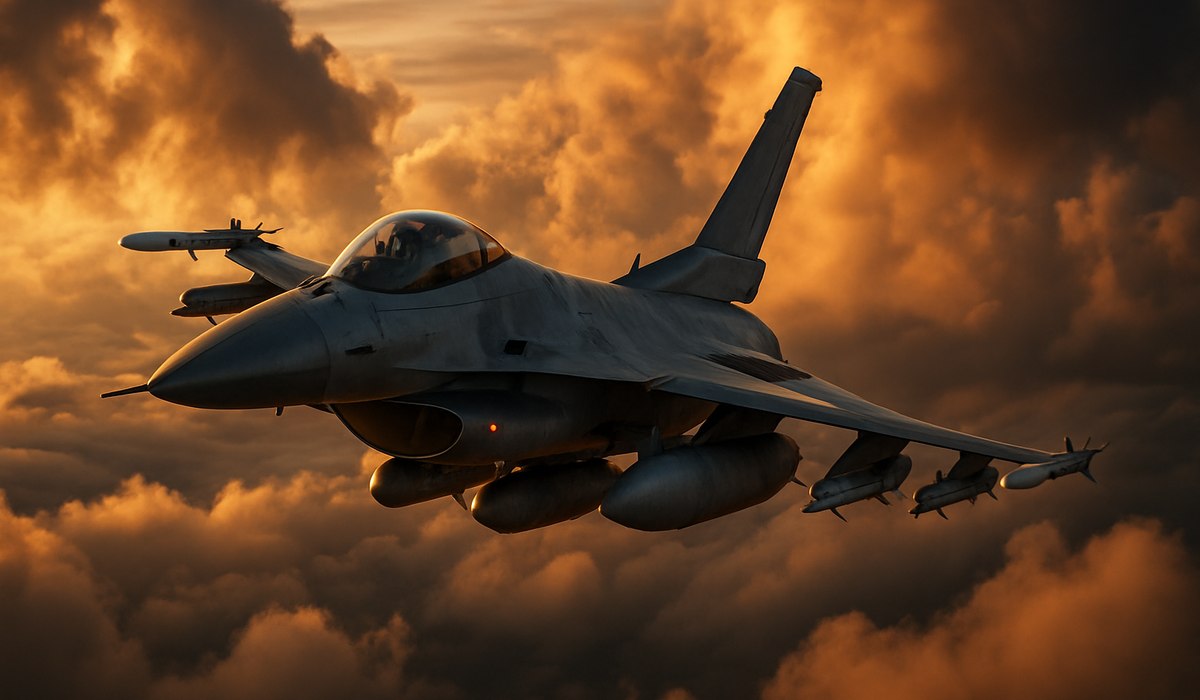
Image generated by AI
The F-16 Fighting Falcon: Aviation's Game-Changing Innovation
General Dynamics' F-16 Fighting Falcon fundamentally transformed aerial combat and commercial aviation standards when it first achieved flight in 1974. This revolutionary fighter jet wasn't merely another military aircraft—it represented a watershed moment in aerospace engineering. The aircraft emerged from a convergence of political pragmatism and technological brilliance in Washington, where defense strategists sought alternatives to expensive, specialized fighters like the F-15 Eagle. More significantly, the fighter general dynamics team integrated cutting-edge fly-by-wire controls originally developed by NASA for its space exploration programs. This groundbreaking integration didn't just reshape fighter jet design templates; it established entirely new engineering paradigms that influenced commercial aviation development for decades. The F-16 became the most widely adopted 4th-generation fighter across allied nations, proving that innovation and accessibility could coexist in high-performance aircraft design.
The F-16's Revolutionary Flight Control System
The introduction of fly-by-wire technology in the fighter general dynamics F-16 represented a seismic shift in how aircraft control systems functioned. Traditional mechanical systems relied on direct cable linkages between pilot controls and flight surfaces—a proven but limiting approach. NASA had pioneered electronic flight control research during the Space Shuttle program, developing wire-based systems that used computers to manage complex maneuvers with unprecedented precision. General Dynamics licensed and adapted this technology for military application, installing sophisticated electronic controls throughout the F-16's airframe. The system allowed pilots to achieve maneuvers previously considered impossible or dangerously unstable. Computer processors continuously adjusted control surfaces, enabling the aircraft to maintain stability at extreme angles of attack. This system innovation reduced pilot workload significantly while improving combat effectiveness. The fly-by-wire architecture also enabled easier maintenance, predictable handling characteristics, and superior performance metrics compared to hydraulic-only predecessors.
From NASA Innovation to Combat Aircraft
The genesis of the F-16's fly-by-wire capabilities traced directly to NASA's space program ambitions during the Cold War era. When engineers designed the Space Shuttle system, they recognized that traditional mechanical controls couldn't accommodate the complex aerodynamic challenges of a winged spacecraft. NASA invested heavily in developing reliable electronic control systems that could manage rapid transitions between atmospheric and vacuum flight regimes. These innovations proved adaptable to fighter aircraft applications. General Dynamics recognized the strategic advantage of licensing NASA's technological foundation while adding military-specific enhancements. The collaboration between civilian space agencies and defense contractors exemplified how wire technology could revolutionize performance standards across aerospace sectors. By the early 1970s, this partnership had matured sufficiently for integration into the F-16 prototype. The successful transition from space applications to combat aircraft demonstrated that innovations developed for one industry segment could fundamentally enhance another. This cross-pollination established a template for future aerospace development, proving that NASA technology had military applications beyond its original conception.
How Fly-By-Wire Changed Fighter Jet Design
The introduction of electronic flight controls through the F-16 catalyzed comprehensive changes across fighter jet design philosophy. Engineers could now safely incorporate design features that would have been structurally unstable or controllable only with extreme difficulty using mechanical systems. The F-16's delta-canard configuration exemplified this freedom—a design that generated exceptional aerodynamic efficiency while maintaining manageable control characteristics thanks to computer-assisted system management. Subsequent fighter aircraft from allied nations adopted similar principles, recognizing that fly-by-wire enabled smaller, lighter aircraft with superior performance-to-weight ratios. The fighter general dynamics F-16 also influenced commercial aviation heavily. Boeing and Airbus both incorporated fly-by-wire architectures into their wide-body jet designs, recognizing improved safety and efficiency benefits. The technology cascade from the F-16 to commercial aircraft demonstrated how military innovations could enhance civilian aviation. Manufacturers worldwide recognized that computerized flight control systems could reduce structural weight, improve fuel efficiency, and enhance safety margins simultaneously. This transformation fundamentally altered how engineers approached aircraft design across all sectors, shifting from mechanical constraint thinking toward electronic possibility-enabled innovation.
The F-16's Lasting Legacy in Modern Aviation
Decades after the F-16's introduction, its influence remains evident throughout contemporary aircraft design. The Fighting Falcon continues service with over 25 countries' air forces, establishing a record of reliability and adaptability unmatched by competing 4th-generation fighters. Modern fighter development builds directly upon principles established by the F-16's system architecture. Fifth-generation fighters like the F-35 Lightning II evolved from the foundational insights provided by fly-by-wire integration. Commercial aviation's transformation toward autonomous and semi-autonomous flight operations owes intellectual debt to the wire technology developments pioneered in the F-16 program. The aircraft's success proved that sophisticated electronic systems could enhance rather than compromise safety, a principle that guided subsequent aviation regulation. Pilots today expect fly-by-wire functionality as standard across military and commercial platforms. Training programs emphasize electronic system management alongside traditional aviator skills. The fighter general dynamics legacy extends beyond hardware into institutional knowledge that aviation professionals carry throughout their careers. The F-16 established a design philosophy emphasizing efficiency, accessibility, and performance that continues influencing aircraft development priorities globally.
Key Data Table: F-16 Innovation Impact
| Specification | Details |
|---|---|
| Aircraft Program | General Dynamics F-16 Fighting Falcon |
| Initial Flight Date | January 20, 1974 |
| Flight Control Type | Fly-by-wire (NASA-derived technology) |
| Adoption Rate | 25+ countries worldwide |
| Production Units | 4,600+ aircraft built |
| Primary Innovation | Electronic control system replacing mechanical cables |
| Design Impact | Enabled delta-canard unstable airframe configuration |
| Commercial Applications | Boeing 777, Airbus A320 derivative systems |
| Operational Status | Active service 2026 across multiple air forces |
| Performance Advantage | 9-G turning capability with electronic stability management |
What This Means for Travelers
Understanding aerospace technology evolution helps travelers appreciate aviation safety improvements. Modern commercial aircraft incorporate fly-by-wire systems directly descended from fighter general dynamics research and development.
Numbered Takeaways for Air Travelers:
-
Recognize System Redundancy: Commercial fly-by-wire systems feature multiple independent computers managing control surfaces simultaneously, creating safety margins impossible with mechanical controls.
-
Appreciate Stability Features: Modern aircraft automatically prevent dangerous stall conditions through electronic envelope protection, technology pioneered in military applications like the F-16.
-
Understand Fuel Efficiency Gains: Fly-by-wire optimization enables precise flight path management, reducing fuel consumption and emissions compared to older mechanical-control aircraft.
-
Trust Electronic Automation: Pilots receive extensive training in fly-by-wire system operation, and decades of operational data confirm electronic controls enhance rather than diminish safety.
-
Verify Airline Fleet Age: When selecting flights, checking whether aircraft feature modern fly-by-wire systems supports your safety awareness, though older mechanical systems remain highly reliable.
Frequently Asked Questions
What exactly is fly-by-wire technology in aircraft?
Fly-by-wire systems replace traditional mechanical cables connecting pilot controls to flight surfaces with electronic signals processed by computers. Pilots move control yokes or sidesticks that transmit electrical inputs to flight control computers, which then command hydraulic actuators managing wing surfaces and control surfaces. This technology offers superior precision, weight reduction, and safety compared to cable-driven systems.
Did the F-16 actually use NASA technology for flight controls?
Yes, General Dynamics licensed electronic flight control technology developed by NASA for the Space Shuttle program. NASA pioneered computer-based control systems managing complex aerodynamic challenges in spacecraft design. These innovations proved directly applicable to fighter aircraft, enabling the F-16's
Disclaimer
This article is for informational and educational purposes only. It does not constitute legal, financial, or professional advice. While we strive to provide accurate and up-to-date information, travel policies, regulations, and conditions change rapidly. Always verify information with official sources before making travel decisions. Nomad Lawyer makes no representations about the accuracy, reliability, completeness, or suitability of the information provided. Readers should consult qualified professionals for advice specific to their circumstances. The views expressed in this article are those of the author and do not necessarily reflect the views of Nomad Lawyer.
Preeti Gunjan
Contributor & Community Manager
A passionate traveller and community builder. Preeti helps grow the Nomad Lawyer community, fostering engagement and bringing the reader experience to life.
Learn more about our team →