
Fighter combat changed with F-35 Lightning II deployment in 2026
Fighter combat changed fundamentally when the F-35 Lightning II transformed US Air Force doctrine in 2026. Three decades of stealth evolution culminated in this fifth-generation aircraft, redefining modern aerial warfare strategy beyond its predecessors.

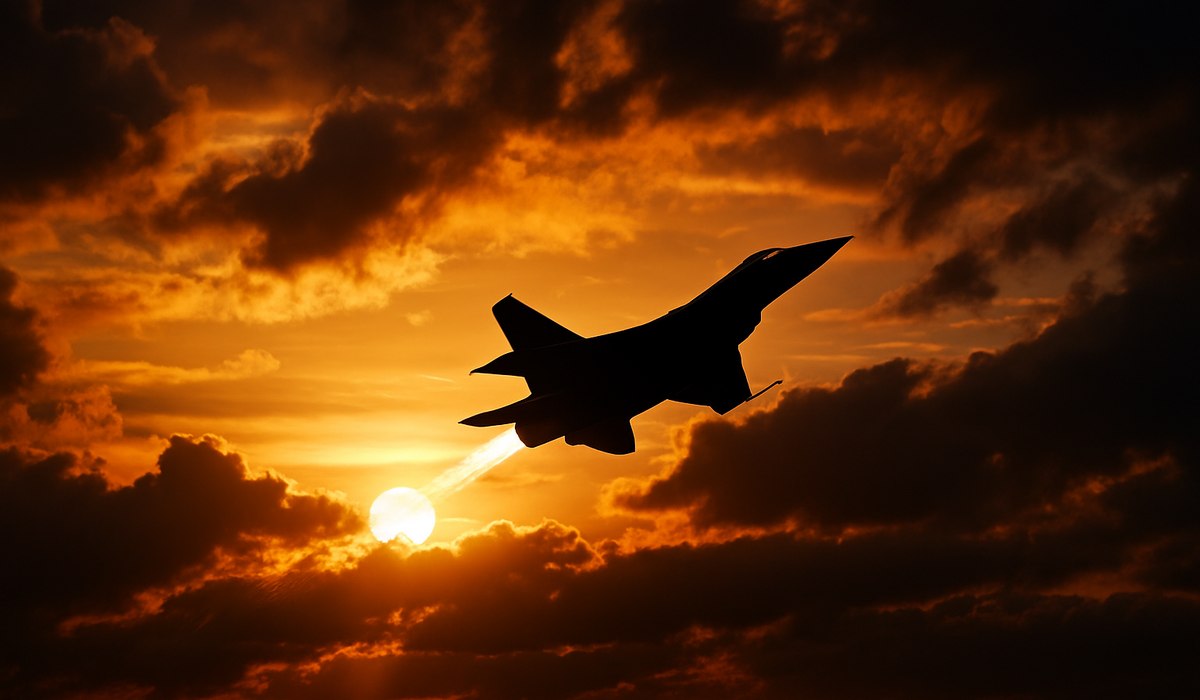
Image generated by AI
How Fighter Combat Changed: The F-35 Lightning II Revolution
The F-35 Lightning II fundamentally transformed how the US Air Force conducts aerial operations in 2026. Three decades of stealth innovation—beginning with the Northrop Grumman B-2 Spirit in the 1990s and advancing through the Lockheed Martin F-22 Raptor—reached maturity with this fifth-generation platform. Where previous stealth aircraft emphasized invisibility, fighter combat changed through the F-35's integrated sensor fusion, network-centric warfare capabilities, and multi-role adaptability. This shift redefined military aviation doctrine and reshaped defense procurement worldwide.
The Stealth Revolution: From B-2 to F-22
Stealth technology emerged as a game-changer when Northrop Grumman introduced the B-2 Spirit bomber decades ago. This revolutionary platform demonstrated that aircraft could evade radar detection through advanced design and materials. The concept proved so transformative that military planners recognized stealth's potential for fighter aircraft. Lockheed Martin's Skunk Works division answered with the F-22 Raptor in 1997, the first true stealth fighter jet. The F-22 excelled at air-to-air combat and penetrating enemy airspace undetected. Its supercruise capability and advanced avionics set new standards for fighter performance. Fighter combat changed incrementally with each advancement, yet these aircraft remained specialized platforms optimized for specific mission profiles.
For historical context on military aviation evolution, the FAA maintains comprehensive aircraft regulations governing all airspace operations.
Why the F-35 Changed Everything
The F-35 Lightning II represents a paradigm shift in how fighter combat changed through integrated warfare architecture. Unlike stealth predecessors focused on evasion, the F-35 functions as a networked sensor platform capable of sharing real-time intelligence across entire battle groups. Lockheed Martin designed the aircraft with three distinct variants—Air Force, Navy, and Marine Corps versions—enabling unprecedented operational flexibility. The platform's sensor fusion systems synthesize data from multiple sources, presenting pilots with comprehensive situational awareness.
Most critically, fighter combat changed because the F-35 operates within a larger ecosystem of connected defense systems. It communicates with other military assets, ground-based radar networks, and satellites simultaneously. This network-centric warfare approach transformed air superiority from individual aircraft dominance to coordinated tactical execution. The F-35's ability to operate in contested environments while gathering intelligence distinguishes it from previous generations. Lockheed Martin's commitment to continuous software upgrades ensures the platform evolves with emerging threats, unlike aircraft locked into fixed capabilities upon production completion.
Modern Air Combat Doctrine Today
Contemporary air warfare in 2026 emphasizes multi-domain operations where fighter combat changed beyond traditional air-to-air engagement. Modern doctrine integrates aerospace, cyber, and electronic warfare dimensions that earlier platforms couldn't address comprehensively. The F-35 Lightning II embodies this evolution through its advanced electronic warfare suite and network integration capabilities. Pilots now function as sensor operators within larger intelligence networks rather than independent aerial combatants.
Lockheed Martin's aircraft design incorporates vertical takeoff and landing variants for Marine Corps operations, carrier-based configurations for Navy deployment, and conventional takeoff variants for Air Force bases. This adaptability represents a fundamental departure from specialized single-role fighters of previous eras. Modern air combat doctrine emphasizes survivability through situational awareness rather than pure stealth alone. The F-35's low-observable design complements its sensor capabilities, creating a balanced platform for twenty-first-century threats. Extended range, reduced logistics footprint, and superior pilot ergonomics enable sustained operations in remote theaters.
What's Next for Fifth Generation Fighters
Military planners already conceptualize sixth-generation fighter systems that will advance beyond current F-35 capabilities. Emerging technologies including directed energy weapons, hypersonic propulsion, and autonomous flight autonomy represent likely next steps. Lockheed Martin, Boeing, and other defense contractors conduct research into systems capable of outperforming today's platforms. The transition will likely emphasize unmanned-manned teaming, where crewed fighters like the F-35 coordinate with autonomous aircraft. Artificial intelligence integration will enable pilots to manage exponentially more complex tactical scenarios.
Fighter combat changed continually throughout aviation history, yet the pace of innovation accelerating dramatically. Next-generation platforms may operate primarily as airborne command centers orchestrating swarms of autonomous vehicles. Directed energy weapons and hypersonic missiles could fundamentally alter engagement ranges and defensive requirements. The F-35's long development cycle—spanning multiple decades—informed military planning that emphasizes modular upgradeable architectures for future systems. Expected service life extensions will keep F-35 Lightning II fleets operational well into the 2050s.
| Stealth Platform | Debut Year | Primary Role | Key Innovation | Operational Status | Strategic Impact |
|---|---|---|---|---|---|
| B-2 Spirit | 1997 | Strategic Bombing | Radar-Evasive Design | Active Fleet | Penetration Capability |
| F-22 Raptor | 1997 | Air Superiority | Supercruise, Maneuverability | 187 Built | Regional Dominance |
| F-35 Lightning II | 2006 | Multi-Role | Sensor Fusion, Networking | 600+ Deployed | Network-Centric Warfare |
| F-35 Variants | 2010-2026 | Specialized Roles | VTOL, Carrier, Conventional | Active Production | Global Interoperability |
| Electronic Warfare | 2015+ | Intelligence Gathering | Data Sharing Systems | Continuous Upgrade | Real-Time Intelligence |
| Next-Generation | 2035+ | Autonomous Coordination | AI Integration | Development Phase | Swarm Capability |
What This Means for Travelers
While fighter aircraft operations occur in restricted military airspace, the F-35's transformation of defense doctrine indirectly affects commercial aviation infrastructure and security protocols. Understanding modern military capabilities provides context for airport security measures and airspace management systems that commercial passengers encounter daily.
-
Commercial airspace separation maintains strict boundaries between military and civilian traffic. Fighter combat changed military operations, but commercial aviation remains protected through segregated airspace corridors and coordinated control procedures.
-
Airport security enhancements reflect modern threat assessments influenced by advanced military capabilities. Airports implement protocols considering contemporary defense architecture when evaluating facility vulnerability.
-
Flight delays occasionally result from military exercises or aircraft movements in shared airspace corridors. Understanding these operations helps explain unexpected scheduling adjustments.
-
International route planning accommodates military operations zones. Commercial carriers navigate around restricted airspace, occasionally affecting flight durations and fuel consumption.
-
Technology advancement cycles in military aviation occasionally influence commercial aviation development. Materials, avionics, and structural innovations eventually migrate to civilian aircraft production.
FAQ
Q: How does the F-35 differ from the F-22 Raptor? The F-35 emphasizes network integration and multi-role versatility, while the F-22 prioritizes air superiority combat performance. Fighter combat changed with F-35 deployment because it functions as a sensor platform within integrated battle groups rather than an independent dogfighter. The F-35's three variants provide operational flexibility that the single-track F-22 cannot match.
Q: Will the F-35 remain operational throughout 2026? Yes, F-35 Lightning II aircraft continue active operations across multiple global locations in 2026. Production continues at Lockheed Martin facilities, with ongoing deliveries to allied nations. The platform maintains full operational status while software upgrades enhance existing capabilities continuously throughout this year.
Q: How did fighter combat changed since stealth technology debuted? Stealth aircraft
Disclaimer
This article is for informational and educational purposes only. It does not constitute legal, financial, or professional advice. While we strive to provide accurate and up-to-date information, travel policies, regulations, and conditions change rapidly. Always verify information with official sources before making travel decisions. Nomad Lawyer makes no representations about the accuracy, reliability, completeness, or suitability of the information provided. Readers should consult qualified professionals for advice specific to their circumstances. The views expressed in this article are those of the author and do not necessarily reflect the views of Nomad Lawyer.
Kunal K Choudhary
Co-Founder & Contributor
A passionate traveller and tech enthusiast. Kunal contributes to the vision and growth of Nomad Lawyer, bringing fresh perspectives and driving the community forward.
Learn more about our team →