
Fethiye Boat Fire Highlights Essential Mediterranean Maritime Safety
A tourist boat fire near Fethiye, Turkey, involving 115 passengers and crew on August 13, 2026, highlights the importance of maritime safety regulations.

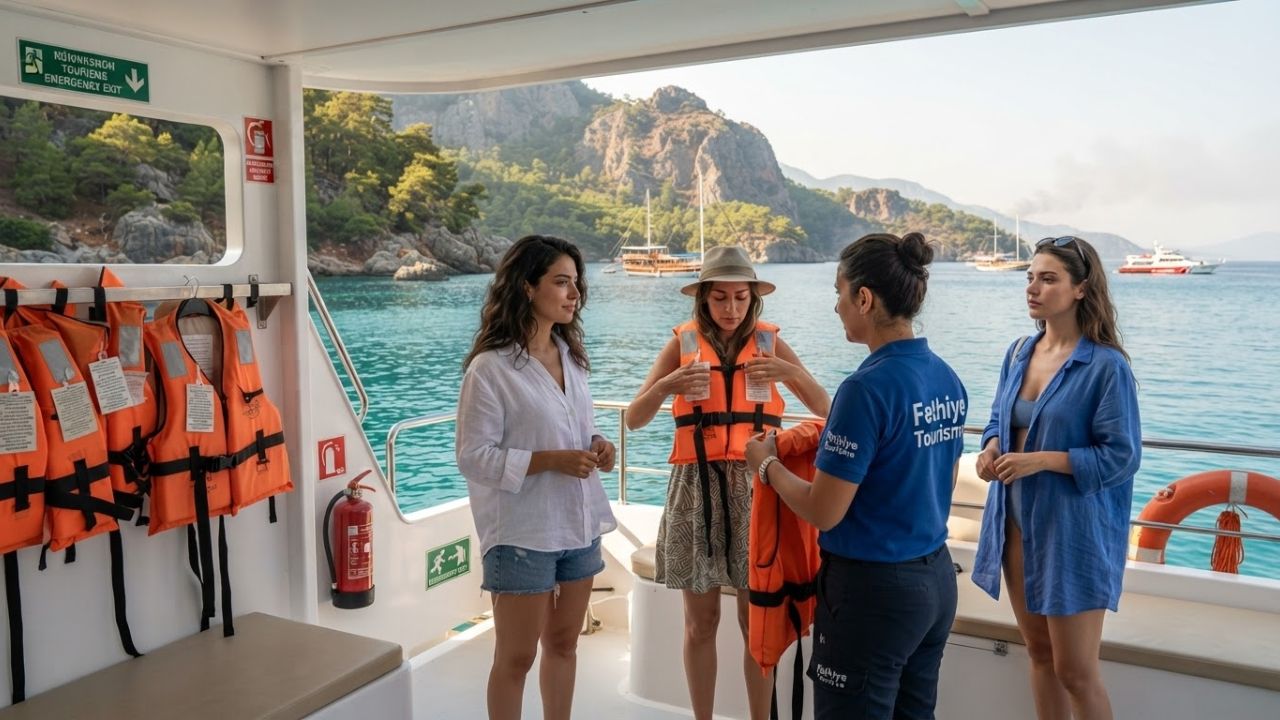
Image generated by AI
A leisure vessel fire near the coastal resort of Fethiye in southwestern Turkey has highlighted the importance of strict maritime safety protocols for day cruises. On August 13, 2026, a children's entertainment tour boat named Toys Boat caught fire, requiring an immediate emergency evacuation of all 115 passengers and crew members. The Turkish Coast Guard coordinated a swift rescue operation, transporting everyone safely to the shore. While 11 individuals were hospitalized for smoke inhalation, none were in serious condition, showcasing the critical role of prompt emergency response and passenger life jackets.
Fethiye Vessel Evacuation and Rescue Operation
The incident occurred during a routine coastal tour near Fethiye, a popular destination for Mediterranean travel and sailing excursions. When flames swept through the vessel’s structure, producing thick black smoke, the crew executed emergency procedures. The fire appeared to spread quickly, cutting off access to the lower decks and forcing passengers to don life jackets and plunge directly into the sea. The Turkish Coast Guard immediately dispatched multiple rescue vessels to the scene, coordinating with nearby private yachts and commercial fishing boats to assist in retrieving the 115 individuals from the water.
Turkish maritime authorities have launched a formal investigation into the cause of the fire, focusing on the vessel's mechanical maintenance, electrical wiring, and onboard fire suppression systems. Initial reports suggest a potential electrical short circuit in the galley or engine compartment, highlighting the vulnerability of older wooden tour boats to sudden fire hazards. This inquiry is expected to provide valuable data to improve safety standards on small passenger craft operating along the Aegean and Mediterranean coasts. Industry analysts note that while large cruise ships operate under strict international safety regimes, smaller regional tourist boats often face less consistent regulatory enforcement, making regular and unannounced audits essential.
In response to the incident, local tourism boards and maritime chambers are calling for stricter enforcement of safety regulations. Key areas of focus include mandatory installation of automated fire detection systems, ensuring that life jackets are easily accessible, and conducting regular safety drills for crew members. These measures are designed to minimize risks and ensure that recreational excursions remain safe for international and domestic travelers who visit Fethiye's scenic bays each year.
Evolution of Maritime Safety Regulations
The Toys Boat incident has triggered a broader debate regarding the regulation of casual maritime tourism. Historically, major maritime safety updates have been reactive, occurring in the wake of significant disasters. The International Convention for the Safety of Life at Sea (SOLAS) has undergone numerous revisions since its inception in 1914 following the sinking of the Titanic. While SOLAS governs large commercial passenger ships with strict rules on fire drills, hull integrity, and life raft capacity, smaller day-trip boats—frequently referred to as gulets or coastal excursion craft—often fall under local municipal oversight rather than global treaties.
This regulatory gap means that safety standards can vary significantly depending on the local municipality's enforcement capacity. In many busy Mediterranean holiday destinations, casual cruise boats operate with minimal daily safety checks, relying on annual licensing inspections that may not catch developing electrical or mechanical issues. The digitization of passenger manifests and the introduction of real-time GPS tracking systems are being proposed by safety advocates as necessary steps to modernize coastal maritime transit and ensure rapid rescue coordination in the future.
Additionally, training programs for crew members must be standardized. During an emergency at sea, the crew's ability to remain calm and direct passengers is critical. Standardizing basic safety training, fire fighting drills, and crowd management protocols for all operators of recreational vessels will significantly improve passenger safety and help prevent panic during evacuations.
Environmental Protection and Coastal Conservation
For the visitor, the real impact of maritime safety is the protection of the delicate Mediterranean marine ecosystem around Fethiye. The coastal waters of southwestern Turkey are home to diverse marine life, coral reefs, and seagrass meadows that are sensitive to pollution. Marine accidents involving tourist vessels can lead to fuel spills, oil leaks, and plastic debris accumulation, threatening local conservation efforts.
To minimize the environmental impact of coastal cruising, regional conservation bodies promote sustainable maritime practices:
- Reducing Marine Pollution: Stricter licensing requirements help ensure that tour boats do not leak fuel or oil into the sea, protecting the clean water that defines Fethiye's travel appeal.
- Waste Management Systems: Encouraging operators to implement strict onboard recycling programs and avoid the use of single-use plastics, preventing plastic litter from entering coastal ecosystems.
- Protecting Marine Biodiversity: Restricting boat anchorage in sensitive areas to avoid damaging seagrass beds, which serve as vital nurseries for local fish species.
These conservation efforts are supported by the Turkish Ministry of Transport and Infrastructure and local environmental organizations, which emphasize the role of responsible tourism in preserving the country's natural assets. By combining safety protocols with eco-friendly practices, regional authorities aim to build a sustainable maritime tourism sector that supports the local economy without damaging the environment.
Visitor Insider Tips: Choosing Safe Boat Tours
For travelers planning to book day cruises or sailing excursions in the Mediterranean, regional destination specialists recommend the following practical safety guidelines:
- Verify Operator Safety Records: Before booking a boat tour, research the operator’s reputation and safety certificates. Choose established companies that display valid maritime licenses and safety compliance documents.
- Inspect Safety Gear Upon Boarding: Once on board, locate the life jackets and confirm that appropriate sizes are available, especially child-sized flotation devices. Standard adult life jackets are unsafe for young children as they can slip out of them in the water.
- Listen to the Crew's Briefing: Treat the pre-departure safety briefing seriously. Even on short coastal excursions, understanding emergency signals and evacuation procedures is essential.
- Report Hazards Immediately: Remain aware of your surroundings during the cruise. If you notice unusual smells, smoke, or mechanical sounds, report them to the crew immediately.
- Check Marine Weather Forecasts: Before boarding, check local marine weather applications (such as Windfinder) to ensure calm sea conditions, as sudden winds can make coastal navigation hazardous.
- Sample Local Culinary Specialties: When booking tours that include meals, look for operators that serve fresh, locally sourced Mediterranean meze, such as stuffed vine leaves and grilled sea bass, which support regional agricultural cooperatives and fishermen.
Outlook: Future of Mediterranean Maritime Travel
The Fethiye boat fire highlights the necessity of continuous improvements in maritime safety and regulatory oversight. As tourism volumes in southwestern Turkey continue to rise, maintaining high safety standards is key to protecting visitors and preserving the region's reputation as a world-class travel destination.
Long-term developments in the maritime sector will focus on digitalizing passenger manifests, enhancing real-time vessel tracking systems, and introducing eco-friendly electric tour boats. The ongoing partnership between the Turkish Coast Guard, local transport departments, and tourism associations remains essential to achieving these goals, ensuring that future travelers can explore the Mediterranean coastline with confidence and peace of mind. By balancing technology-driven safety upgrades with environmental conservation, regional authorities aim to show how coastal tourism can grow sustainably and safely.
Related Travel Guides
AirAsia Restructures Routes Amid Global Aviation Fuel Surge
Indian Regional Cuisine Drives Global Culinary Tourism Revolution
Disclaimer
This article is for informational and educational purposes only. It does not constitute legal, financial, or professional advice. While we strive to provide accurate and up-to-date information, travel policies, regulations, and conditions change rapidly. Always verify information with official sources before making travel decisions. Nomad Lawyer makes no representations about the accuracy, reliability, completeness, or suitability of the information provided. Readers should consult qualified professionals for advice specific to their circumstances. The views expressed in this article are those of the author and do not necessarily reflect the views of Nomad Lawyer.
Kunal K Choudhary
Co-Founder & Contributor
A passionate traveller and tech enthusiast. Kunal contributes to the vision and growth of Nomad Lawyer, bringing fresh perspectives and driving the community forward.
Learn more about our team →