
How Severe Federal Tariffs Are Crushing New York's Post-Pandemic Tourism Recovery
Escalating federal tariffs are devastating the New York travel grid, triggering skyrocketing operational costs for hotels and drastically slashing international visitor spending heading into the summer of 2026.

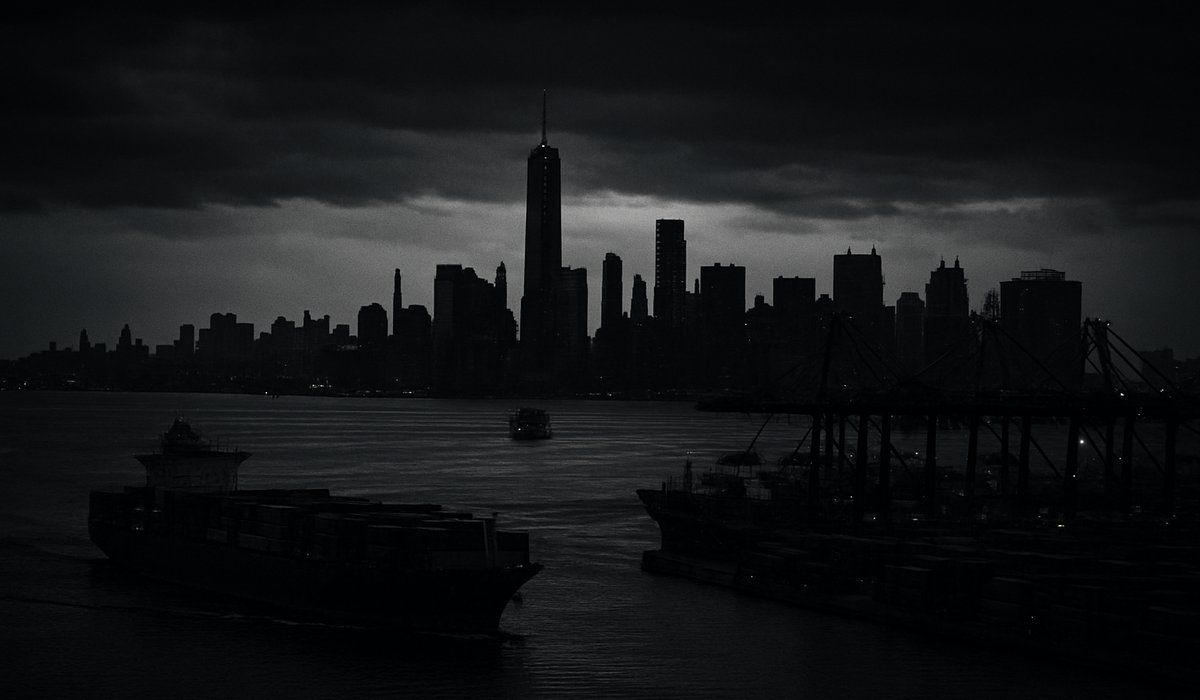
Image generated by AI
The Hidden Cost of Geopolitics on the Empire State
Striking a nearly invisible but utterly devastating blow against the backbone of the American hospitality industry, escalating protective federal import tariffs have begun severely hamstringing New York City's fragile tourism sector. Over the past twelve months, sweeping federal policies designed to heavily penalize foreign-manufactured goods have quietly triggered an economic domino effect, inflating operational overheads for luxury hotels, strangling Broadway production budgets, and violently suppressing the purchasing power of international tourists flocking to the Big Apple.
While federal trade officials argue that steep tariffs shield domestic manufacturing hubs, the macroeconomic reality for highly internationalized destinations like New York is deeply toxic. The hospitality sector fundamentally relies on mass-imported consumables—ranging from commercial linens and raw culinary ingredients to advanced hotel HVAC components. By forcefully taxing these imported assets at historic rates, the federal government has effectively forced Manhattan hoteliers and restaurateurs to pass those punishing margins directly to the consumer, making a weekend in New York City financially inaccessible for average travelers.
European and Asian Visitors Face Sticker Shock
Tourism is New York's economic absolute lifeblood. Historically fueled by deep-pocketed travelers from the UK, Germany, and China, the city is currently experiencing a stark reversal in consumer behavior.
Because domestic inflation (driven by tariffs) is heavily compounded by unfavorable foreign currency exchange rates for incoming tourists, international visitors are experiencing genuine sticker shock. A traditional five-day shopping itinerary down Fifth Avenue and dining in SoHo now structurally costs an international visitor roughly 35% more than it did explicitly due to the tariff-bloated supply chain. Consequently, massive NYC tourism boards are quietly tracking a deeply alarming trend: international tourists are drastically shortening their New York stays, or entirely bypassing the city for cheaper European or South American metropolitan hubs.
The Financial Shockwave Across NYC
| Hospitality Sector | Tariff Impact Vector | Consumer Consequence |
|---|---|---|
| Luxury & Boutique Hotels | 40% spike in imported building/textile costs | Nightly room rates surge beyond $600 |
| High-End Dining | Heavy taxation on imported wine and specialty food | Massive increases in menu pricing |
| Retail Shopping | Brutal tariffs on European and Asian luxury goods | Reduced tourist shopping sprees |
What Guests Get
- Understanding macro-economics — realizing that a political trade war in Washington D.C. literally dictates the price of a hotel pillow in Manhattan.
- Budget forecasting reality — grasping that New York City in 2026 is mathematically more hostile to budget travelers than at any point in the previous decade.
- Supply chain insight — breaking the illusion that tourism is a domestic product; hotels run globally on heavily imported fabrics, technology, and food.
What This Means for Travelers
If you are planning a trip to New York in 2026: You must radically recalibrate your daily budget entirely. If you traditionally allocated $150 a day for mid-tier dining and Broadway entertainment, you must easily bump that metric to $250. Be fiercely aware of "hidden fees." Because hotels are struggling to absorb the immense cost of imported operational supplies, many properties have aggressively instituted un-waivable "Urban Destination Fees" simply to artificially preserve their bottom line.
For International Visitors: Consider breaking the traditional "Manhattan-Only" mold. The severe inflation deeply concentrated in Manhattan is slightly diluted in the outer boroughs. Staying in highly developed corridors in Brooklyn (like Williamsburg or Downtown Brooklyn) or Queens (Long Island City) offers significantly faster access to the subway grid while somewhat shielding you from the absolute peak of the tariff-driven pricing surge found in Midtown.
FAQ: NYC Tourism and the Economy
Are tariffs the only reason New York is expensive? Absolutely not. New York has permanently been a premium destination due to extreme real estate taxes, unionized labor costs, and baseline inflation. However, the 2026 tariffs act as a heavy accelerant, drastically inflating the prices of the physical goods hotels need to operate.
Will these prices drop if the tariffs are reversed? Historically, no. The hospitality industry operates on a concept known as "sticky pricing." Once a hotel or restaurant successfully forces the consumer to pay a higher price and the market tolerates it, they rarely lower the prices back down if their own overhead costs subsequently drop.
Is Broadway affected by import taxes? Directly. Mega-musicals rely heavily on highly complex, custom-built stage automation technology and lighting rigs frequently manufactured in Europe or Asia. Tariffs drive up the physical cost of building a Broadway show, which is instantly reflected in higher box office ticket prices.
Related Travel Guides
Out-Pricing the Big Apple: Affordable Alternatives to New York City
Disclaimer
This article is for informational and educational purposes only. It does not constitute legal, financial, or professional advice. While we strive to provide accurate and up-to-date information, travel policies, regulations, and conditions change rapidly. Always verify information with official sources before making travel decisions. Nomad Lawyer makes no representations about the accuracy, reliability, completeness, or suitability of the information provided. Readers should consult qualified professionals for advice specific to their circumstances. The views expressed in this article are those of the author and do not necessarily reflect the views of Nomad Lawyer.
Raushan Kumar
Founder & Lead Developer
Full-stack developer with 11+ years of experience and a passionate traveller. Raushan built Nomad Lawyer from the ground up with a vision to create the best travel and law experience on the web.
Learn more about our team →