
Favorite Washington Cultural Hub for Book Lovers and Curious Travelers
A local guide reveals Washington, D.C.'s premier literary cultural destination in 2026. Book lovers and intellectually curious travelers discover this must-visit hub that celebrates literature, history, and political discourse.

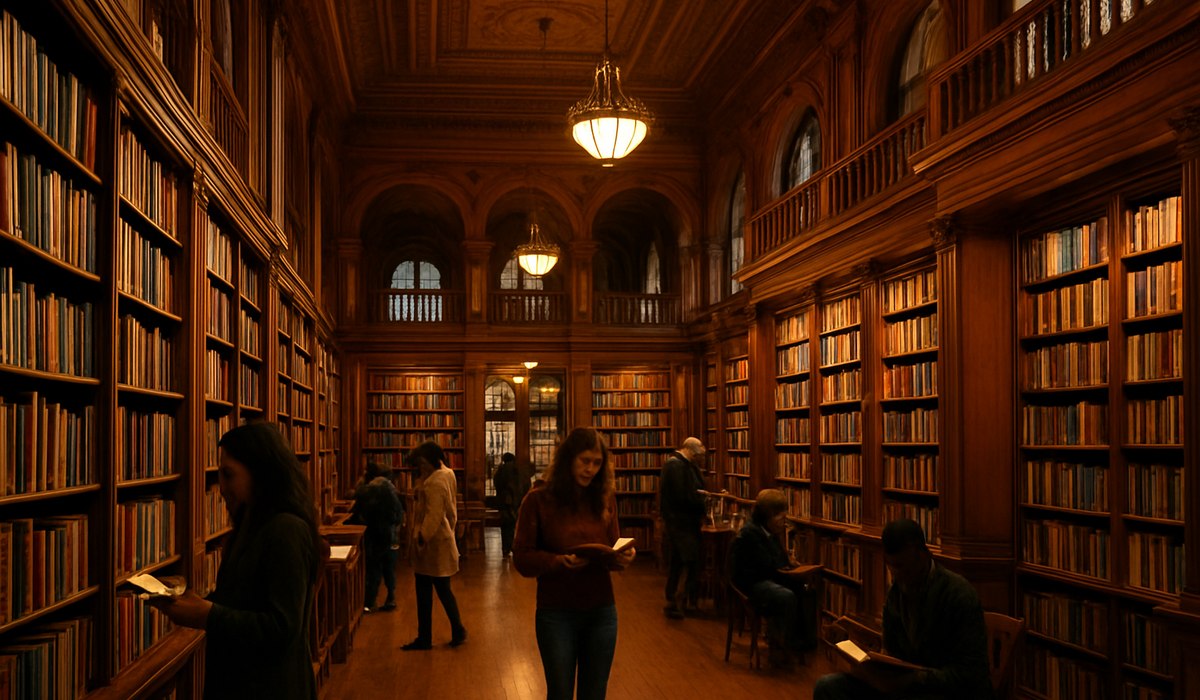
Image generated by AI
Washington, D.C.'s Premier Literary Destination Attracts Intellectually Curious Nomads
The Library of Congress Thomas Jefferson Building stands as Washington, D.C.'s most celebrated literary cultural destination for book lovers and inquisitive travelers seeking authentic intellectual engagement. A longtime D.C. resident reveals why this architectural masterpiece deserves top billing on your cultural itinerary. Located on Capitol Hill, this iconic institution welcomes over 1.9 million visitors annually who come to experience one of the world's most comprehensive collections. The favorite Washington cultural hub combines stunning Beaux-Arts architecture with unparalleled access to American literary heritage. Whether you're a digital nomad prioritizing research facilities or a curious traveler exploring political history through manuscripts, this destination delivers transformative experiences that extend far beyond typical museum visits.
Why This Cultural Hub Stands Out
The Library of Congress distinguishes itself through its extraordinary scope and accessibility. Unlike private collections, this institution provides free admission to its public spaces and reading rooms, making it genuinely welcoming to travelers on any budget. The Main Reading Room alone features a magnificent domed ceiling adorned with murals representing human achievement across disciplines.
Book lovers appreciate the specialized collections housed here, including first editions, rare manuscripts, and presidential archives that shaped American political discourse. The Library holds approximately 17 million books, plus millions of additional items spanning maps, photographs, manuscripts, and digital resources. This favorite Washington cultural landmark serves researchers, students, and casual visitors with equal enthusiasm.
The architecture itself tells stories. Completed in 1897, the Thomas Jefferson Building represents the height of Gilded Age design sensibilities. Ornamental details celebrate literature, science, and American values through intricate tilework, stained glass, and sculptural elements. For curious travelers interested in how physical spaces communicate cultural priorities, this building functions as a text itself. Learn more about the Library of Congress architecture and history.
What Book Lovers Will Find Here
The Collections and Reading Rooms offer extraordinary depth for literary enthusiasts. The Rare Book and Special Collections Reading Room houses treasures including early American imprints, medieval manuscripts, and signed author editions. Accessing these materials requires free registration but creates profound opportunities for hands-on literary research.
Thematic exhibitions rotate throughout the year, frequently highlighting connections between literature and American political movements. Recent displays have examined presidential libraries, political rhetoric through centuries, and how writers shaped national discourse. These exhibitions directly appeal to curious travelers seeking context for understanding Washington, D.C.'s cultural significance.
The American Memory Collections represent another essential resource. This digital initiative provides free online access to primary source materials spanning American history, culture, and literature. Book lovers conducting research on specific topics can often begin their journey online before visiting in person, maximizing their on-site experience. The favorite Washington cultural institution thus extends its reach globally to remote workers and traveling researchers. Explore the American Memory Collections online.
Planning Your Visit as a Curious Traveler
Visiting requires minimal advance planning but benefits from strategic timing. The Library operates six days weekly with extended summer hours accommodating traveling schedules. Flexible nomads should consider visiting mid-week when crowds diminish, allowing unhurried exploration of permanent exhibitions and reading room spaces.
Free guided tours occur multiple times daily and cover architectural highlights, collection overviews, and research opportunities. Book lovers specifically interested in particular collections should request specialized orientation through the information desk upon arrival. The favorite Washington cultural destination provides visitor maps highlighting different sections, though staff recommendations often lead to unexpected discoveries.
Photography policies vary by location within the building. Public spaces permit non-flash photography, while special collections areas restrict cameras entirely to preserve rare materials. This distinction matters for curious travelers planning social media documentation or personal memory records.
Comfortable walking shoes become essential as the building spans multiple levels and wings. Budget 2-4 hours for meaningful exploration, though dedicated researchers often spend full days here. The on-site café provides refreshment options, or nearby Capitol Hill restaurants offer abundant lunch choices for travelers exploring the neighborhood.
Beyond Books: The Broader Cultural Experience
The Library of Congress extends its cultural significance beyond literary collections. The institution regularly hosts lectures, author readings, and symposia exploring intersections between literature, history, and politics. These events create opportunities for curious travelers to engage directly with scholars and writers shaping contemporary discourse.
The Thomas Jefferson Building's cultural programming specifically benefits digital nomads seeking intellectual community. Many traveling professionals arrange their D.C. schedules around Library events, transforming passive tourism into active cultural participation. This favorite Washington cultural hub thus functions as both destination and community space.
The building's neighborhood context enriches the experience further. Adjacent Capitol Hill locations provide complementary cultural experiences, from the Folger Shakespeare Library to congressional buildings themselves. Curious travelers might structure multi-day itineraries combining this literary hub with political site visits, creating comprehensive narratives about American intellectual traditions and governance.
Key Data: Library of Congress Impact and Visitor Information
| Metric | Details |
|---|---|
| Annual Visitors | 1.9+ million guests explore public spaces |
| Total Collections | 17+ million books plus maps, manuscripts, photographs |
| Operating Hours | Monday-Saturday with extended summer schedules |
| Admission Cost | Free public access to exhibitions and reading rooms |
| Building Completion | 1897 (Beaux-Arts architectural period) |
| Main Reading Room Capacity | 216 reading seats with direct collection access |
| Special Collections Access | Free registration required, ID verification necessary |
| Annual Events | 100+ programs including author readings and symposia |
| Digital Access | 17+ million items available through American Memory |
| Photography Policy | Permitted in public spaces, restricted in rare collections |
What This Means for Travelers
Book lovers and curious travelers planning Washington, D.C. visits should prioritize the Library of Congress for several strategic reasons:
-
Maximize Research Efficiency: Digital nomads conducting serious research benefit from advance registration and collection familiarity. Email the reference desk before arriving to identify specific materials matching your projects, allowing productive same-day sessions.
-
Combine Cultural Depth with Flexibility: The favorite Washington cultural destination accommodates both rushed sightseeing and extended research. Structure shorter visits around architectural tours, or dedicate full days to specialized collections matching your interests.
-
Leverage Free Digital Resources: Start exploring collections online through the American Memory portal before traveling. This preparation transforms your in-person visit from introductory tourism to focused engagement with specific materials.
-
Engage Beyond Passive Observation: Register for lectures, author events, and symposia aligning with your intellectual interests. Curious travelers gain deeper context and community connection through active programming participation.
-
Explore Neighborhood Integration: Combine this institution with adjacent cultural sites including the Folger Shakespeare Library and Capitol Hill historic locations. Multi-site itineraries create comprehensive understanding of Washington's literary and political significance.
FAQ: Common Questions About This Favorite Washington Cultural Destination
What collections are most significant for book lovers visiting Washington, D.C.?
The Rare Book and Special Collections Reading Room houses first editions, signed manuscripts, and medieval texts that book enthusiasts find transformative. Additionally, the American Memory Collections provide online access to primary literary documents spanning American history, making pre-visit research invaluable for curious travelers.
Can I access the Library of Congress without advance registration?
Yes, public exhibition spaces require no registration and welcome walk-in visitors. However, reading room access and special collections handling require free on-site registration with valid government-issued identification. Most curious travelers find same-day registration straightforward and efficient.
How long should I budget for visiting this favorite Washington cultural hub?
Casual visitors explore exhibitions and public spaces comfortably in 2-3 hours. Book lovers interested in reading rooms or specialized collections often spend 4-8 hours. Dedicated researchers may return multiple days to thoroughly engage with specific materials.
**Are there guided tours specifically for literary or
Raushan Kumar
Founder & Lead Developer
Full-stack developer with 11+ years of experience and a passionate traveller. Raushan built Nomad Lawyer from the ground up with a vision to create the best travel and law experience on the web.
Learn more about our team →