
Florida State Underrated Gem: Hour From Key Largo's Underwater Shipwreck
Florida's secret underwater state park near Key Largo rewards adventurous boaters with pristine shipwreck exploration and marine biodiversity one mile offshore in 2026.

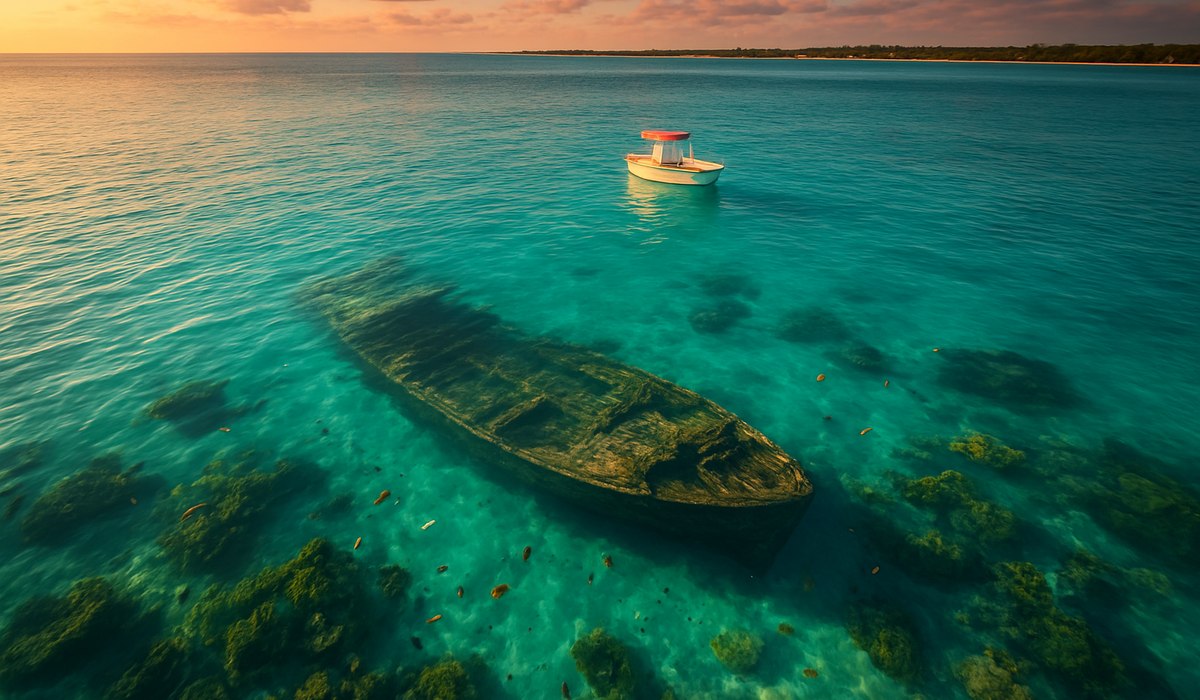
Image generated by AI
Remote Marine History: Florida's Best-Kept Boating Secret
Florida's most overlooked underwater state park, located an hour's voyage from Key Largo, sits over a mile offshore as one of the region's premier dive destinations for hands-on maritime exploration. This Florida state underrated treasure delivers what few tourists ever discover: direct access to authentic shipwreck remains and thriving coral ecosystems. Boaters seeking genuine historical immersion without crowds find this remote marine sanctuary unmatched. The park demands self-sufficiency—you'll captain your own vessel through open water—but rewards adventurous explorers with untouched underwater heritage.
Getting There: What You Need to Know
Accessing this Florida state underrated park requires watercraft competency and proper preparation. Located roughly 60 minutes by boat from Key Largo's public marinas, the site sits approximately 1.2 nautical miles offshore in federal waters adjacent to state-protected territory. Charter boat operators occasionally service the location, though independent boaters comprise the typical visitor base.
Launch facilities at Key Largo include both public ramps and private marina services with fuel, provisions, and navigation equipment. GPS coordinates and detailed nautical charts prove essential—cellular service remains unreliable at this distance from shore. The National Oceanic and Atmospheric Administration maintains updated depth soundings and hazard information for the approach corridor.
Plan for a full-day excursion including transit time, exploration windows, and return navigation before darkness. Weather conditions on the Straits of Florida shift rapidly, making morning departures advisable. Visit NOAA's marine weather portal for current conditions before launching.
Exploring the Shipwreck and Marine Life
The submerged vessel remains represent decades of maritime history preserved in remarkable condition. Encrusting corals, sponges, and algae transform the wreck into a living artificial reef supporting hundreds of fish species. Grouper, snapper, and moray eels inhabit the structure's cavities.
Visibility typically ranges from 30-60 feet depending on tide cycles and recent weather patterns. The wreck sits in 40-50 feet of water, accessible to recreational divers with proper certification and experienced snorkelers with adequate equipment. Archaeological significance requires all visitors respect artifact preservation protocols—removing items or disturbing deposits violates federal marine protection statutes.
Underwater photographers discover exceptional composition opportunities amid corals and fish schools framing the vessel's framework. Macro photography reveals nudibranchs, seahorses, and specialized crustaceans colonizing the wreck's surface. Check current regulations on the U.S. Fish and Wildlife Service website regarding protected species and handling restrictions.
Best Time to Visit and What to Bring
Optimal visiting windows occur during Florida's dry season from November through April, when Atlantic swells diminish and water clarity peaks. Summer months bring afternoon thunderstorm probability and stronger currents, though fewer tourists visit during this period. Hurricane season considerations make June through October increasingly risky for offshore voyages.
Essential equipment includes USCG-approved personal flotation devices for all passengers, functioning marine radio, GPS unit with updated charts, and comprehensive first-aid supplies. Bring extra fresh water, non-perishable food, and sun protection exceeding typical beach requirements. Underwater explorers need properly fitted wetsuits, regulators serviced within the past 12 months, and dive computers.
Navigation lights, anchoring gear suitable for sandy bottom conditions, and backup engine maintenance tools represent prudent additions for self-sufficient boaters. Carry tide tables and current charts—the area experiences 3-4 knot flows during peak exchanges between the Gulf and Atlantic.
Safety and Conservation Tips
Operating a private vessel requires valid boating certification in Florida, with specific attention to shallow-water navigation and anchoring techniques. Never approach the wreck site during strong current periods—incoming and outgoing tides create turbulent water conditions unsuitable for diving.
The marine ecosystem demands strict conservation practices: observe the no-collection policy for any organisms or artifacts, maintain 10-foot distances from sea turtles if encountered, and avoid touching corals or sponges. Improper anchoring damages bottom habitats and living coral colonies. Use designated mooring buoys where available, or employ proper anchoring techniques that minimize seafloor contact.
Report any injured marine life, vessel debris, or environmental concerns to the Florida Fish and Wildlife Conservation Commission through their wildlife alert hotline. Respect all signage marking protected area boundaries—federal enforcement agents conduct regular patrols.
Florida State Underrated Park: Key Facts
| Attribute | Details |
|---|---|
| Distance from Key Largo | 1.2+ nautical miles offshore |
| Transit time from marina | 45-70 minutes depending on sea state |
| Primary attraction | Intact shipwreck with marine ecosystem |
| Water depth at wreck | 40-50 feet |
| Visibility range | 30-60 feet (seasonal variation) |
| Best visiting season | November-April |
| Vessel requirement | Private boat or charter service |
| Diving certification | Recreational depth appropriate |
| Fish species count | 200+ documented species |
| Coral coverage | Extensive encrusting species |
| Protected status | State and federal water designation |
| Parking availability | Marina facilities at Key Largo |
What This Means for Travelers
This Florida state underrated destination represents a fundamental shift from conventional cruise-port tourism toward self-directed marine exploration. Consider these actionable recommendations:
-
Pre-trip preparation: Schedule your visit during November-April windows when Atlantic conditions optimize safety and visibility. Book marina slip space in Key Largo 4-6 weeks advance during peak season.
-
Vessel selection: Rent a 25-35 foot center console or cabin cruiser rather than kayaks—the offshore distance demands serious seagoing capability and fuel capacity for extended operations.
-
Certification requirements: Ensure all divers carry current Recreational Scuba Diver credentials or equivalent from PADI, SSI, or comparable agencies. Non-divers participate through snorkeling from the vessel platform.
-
Navigation training: Download nautical charts and practice GPS waypoint navigation before departure. Marine radio proficiency becomes essential safety infrastructure at this distance from shore.
-
Environmental commitment: Adopt strict leave-no-trace principles—the wreck's preservation depends entirely on visitor restraint and conservation discipline. Document experiences through photography rather than artifact collection.
-
Cost planning: Budget $400-800 for boat rental, $80-150 fuel costs, and $60-120 per-person dive/snorkel services or charter captaincy including navigation expertise.
FAQ: Florida State Underrated Park Questions
Can casual boaters without diving experience visit the shipwreck? Yes—snorkelers with swimming capability can view the wreck from the surface, though diving provides optimal observation. Charter captains familiar with site conditions handle navigation while passengers enjoy protected vessel decking during transitions.
What's the actual cost to visit this Florida state underrated park independently? Self-sufficient boaters invest $400-800 in boat rental, $100-200 fuel depending on vessel size and sea conditions, plus any gear rental fees. Charter services typically charge $150-300 per person for captain-guided experiences including all necessary equipment.
How crowded does this underwater park get during peak season? This Florida state underrated location remains remarkably undiscovered—you'll encounter fewer than five other vessels on typical visits compared to hundreds at popular reef sites. The offshore distance and boat requirement naturally limit visitor volume.
Is the wreck suitable for underwater photography and video documentation? Absolutely—the preserved structure provides exceptional composition opportunities. Stable platforms, abundant fish life, and coral encrustation create compelling visual narratives
Disclaimer
This article is for informational and educational purposes only. It does not constitute legal, financial, or professional advice. While we strive to provide accurate and up-to-date information, travel policies, regulations, and conditions change rapidly. Always verify information with official sources before making travel decisions. Nomad Lawyer makes no representations about the accuracy, reliability, completeness, or suitability of the information provided. Readers should consult qualified professionals for advice specific to their circumstances. The views expressed in this article are those of the author and do not necessarily reflect the views of Nomad Lawyer.
Raushan Kumar
Founder & Lead Developer
Full-stack developer with 11+ years of experience and a passionate traveller. Raushan built Nomad Lawyer from the ground up with a vision to create the best travel and law experience on the web.
Learn more about our team →