
FAA's AI Push Could Transform U.S. Aviation Safety and Passenger Experience
The FAA is integrating artificial intelligence into aviation safety and data analysis systems to identify risks sooner, improve flight reliability, and reshape the travel experience for millions of passengers globally.

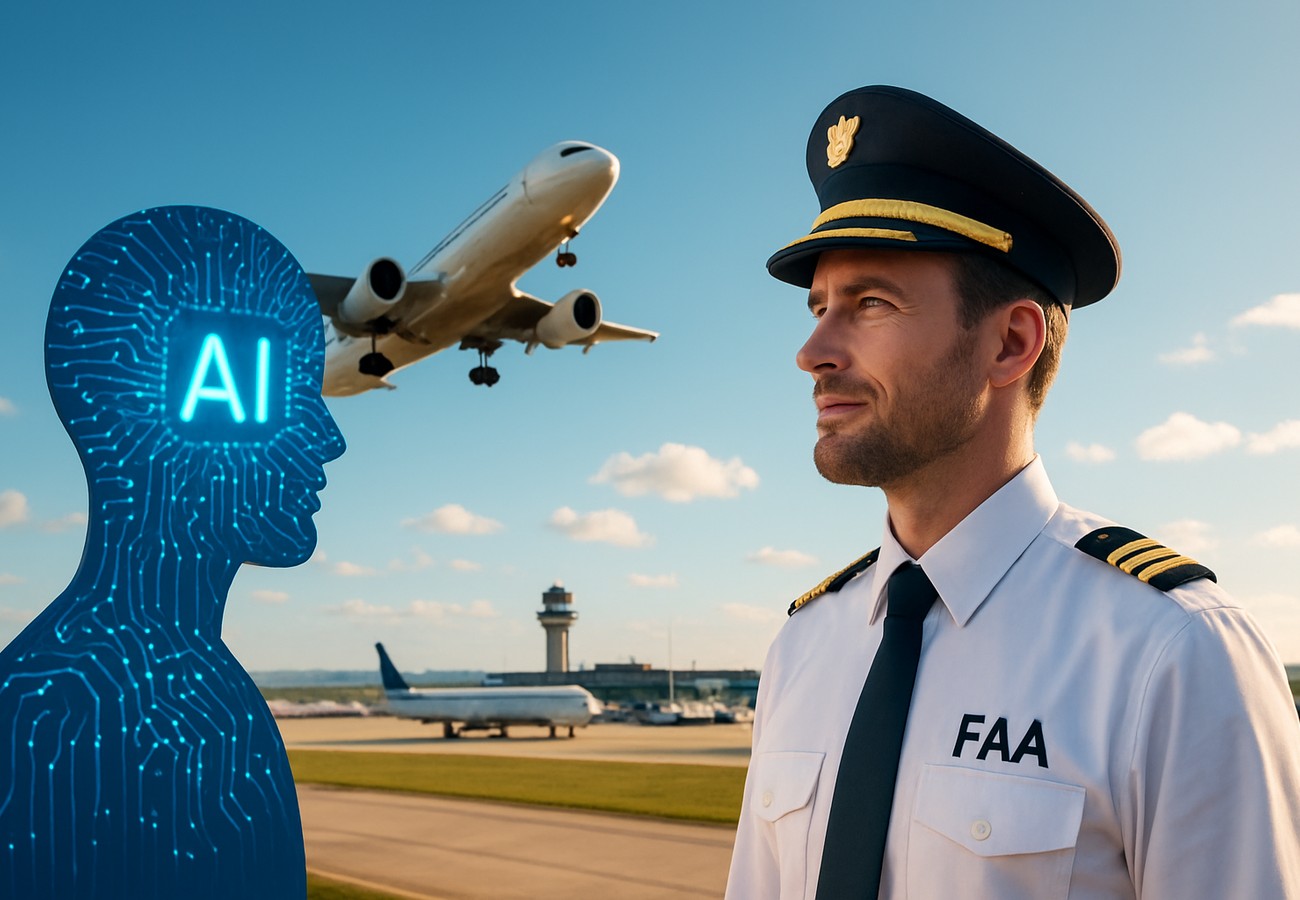
Image generated by AI
The intersection of artificial intelligence and commercial aviation is reshaping how the Federal Aviation Administration (FAA) approaches safety and operational efficiency. As I tracked this development, it became clear that millions of flyers—both domestically and internationally—stand to benefit from this technological shift. The FAA is actively exploring ways to incorporate AI into its aviation safety and data analysis systems, with a stated goal of spotting risks sooner and improving overall flight reliability across U.S. airspace and beyond.
This initiative arrives at a critical moment. Modern commercial aviation generates staggering volumes of data daily—aircraft performance metrics, air traffic control communications, radar tracking, and maintenance logs that challenge even the most experienced human analysts. The FAA has publicly acknowledged that traditional methods alone cannot adequately process and extract meaningful insights from this information deluge.
The Data Problem Aviation Faces Today
Every commercial flight produces enormous datasets that airlines and regulators must analyze to maintain safety standards. A single transcontinental flight generates performance data across hundreds of systems, yet identifying dangerous patterns in thousands of daily flights remains a fundamentally human-intensive process.
Traditional safety reviews can take years to surface latent issues that might eventually trigger accidents or near-misses. Reddit: "AI systems could spot problems we humans miss until it's too late." — r/aviation. The FAA's approach acknowledges this bottleneck and proposes AI as a analytical enhancement tool—filtering complex datasets to highlight trends and anomalies that warrant closer human examination.
For travelers on trans-Pacific or long-haul international routes, this promise could eventually translate into fewer cancellations, better routing decisions, and earlier identification of potential safety concerns. In congested corridors between North America, Europe, and Asia, where thousands of flights cross daily, even marginal improvements compound into significant reliability gains.
Why Human Pilots and Controllers Remain Essential
A critical distinction requires emphasis: AI is designed as a support tool, not a replacement for human operators. This cannot be overstated, particularly given sensationalized media coverage suggesting otherwise.
Pilots and air traffic controllers make split-second decisions based on real-time conditions, contextual awareness, and decades of experience that artificial intelligence cannot replicate. FAA officials and aviation safety professionals consistently emphasize that AI may assist data analysts by highlighting insights from massive datasets, but it cannot supplant the nuanced judgment humans bring to flight operations.
This distinction matters profoundly for passenger confidence. While rising automation sometimes triggers anxiety about detachment from human oversight, aviation authorities insist that humans remain absolutely central to all critical safety decisions. Enhancing data processing with AI could reduce human workload in predictive risk analysis, actually freeing controllers and pilots to focus more intensely on real-time decision-making during flight operations.
Predictive Safety: Identifying Risks Before They Materialize
One of the most compelling applications of AI in aviation involves predictive safety analysis. Rather than waiting for accidents or incidents to prompt regulatory changes, AI systems can sift through terabytes of safety reports, flight logs, and sensor data to identify subtle patterns that foreshadow problems.
These systems might predict mechanical issues before they materialize—detecting bearing wear in engines or hydraulic degradation—or identify recurring operational anomalies across multiple flights that suggest systemic issues. According to research from the FAA's safety initiative documentation, proactive pattern detection represents a fundamental shift from reactive to preventive safety culture.
For travelers, this approach reduces mid-flight disruptions, helps airlines maintain fleets more effectively, and gives regulators early warnings about emerging risks. It's not a guarantee of perfection, but it reflects the aviation industry's broader push toward data-driven reliability enhancement.
Efficiency and Travel Reliability Improvements
Beyond safety applications, AI tools under development could substantially benefit travel reliability. Machine learning systems can optimize airspace scheduling, predict congestion, and recommend flight routing adjustments that reduce delays and improve fuel efficiency.
By analyzing airline scheduling data, weather patterns, and air traffic loads, these systems help predict congestion before it develops. Controllers and airlines can then adjust flight paths proactively rather than reactively managing delays. For passengers planning multi-leg trips or complex international itineraries, fewer delays and more predictable flight operations represent tangible quality-of-life improvements.
In saturated airspace regions—such as North America's busiest hubs or trans-Atlantic corridors—even modest efficiency gains produce outsized effects on passenger experience. Reducing missed connections, lowering itinerary uncertainty, and improving schedule adherence all compound into measurably better travel outcomes.
Global Ripple Effects from U.S. Innovation
While the FAA's work focuses on U.S. airspace, aviation operates as an inherently global system. Aircraft registered in one country fly to dozens of others monthly, and air traffic control practices—including safety standards and technology adoption—influence airline operations worldwide.
AI applications proven effective in American airspace could establish precedents adopted by other aviation authorities, including those in Europe, Asia, and the Middle East. According to international aviation coordination mechanisms, best practices demonstrated in one region frequently influence global standards adoption. International travelers flying routes connecting major hubs—New York to London, Los Angeles to Tokyo, Miami to São Paulo—might benefit indirectly from AI innovations pioneered by the FAA and its domestic partners.
Cross-border aviation safety cooperation already exists through established channels. Insights from AI-powered systems could accelerate harmonization of safety analytics across regions, creating more consistent, predictable operations for global travelers.
Building and Maintaining Passenger Trust
Despite AI's promise, its integration into safety systems raises legitimate questions about passenger trust and public perception. Travelers fundamentally want reassurance that flights are safe and reliable, coupled with clarity about how new technologies influence their journeys.
Clear communication about AI's role—as an analytical assistant rather than autonomous decision-maker—will be critical for maintaining confidence in air travel. Airlines and regulators must balance innovation enthusiasm with transparent explanation of how AI insights integrate into safety reviews and operational decisions. Media literacy matters here; ensuring coverage doesn't mislead passengers into thinking AI pilots will replace flight crews is essential for preserving trust in aviation institutions.
Regulatory Challenges and Ethical Considerations
AI implementation brings real challenges requiring careful oversight. Ethical use of algorithms, potential bias in training data, and risks of over-reliance on automated systems represent active discussion points among aviation professionals and policymakers.
Regulatory frameworks must ensure that AI tools enhance safety without introducing new vulnerabilities or inadvertent biases. Research comparing policies across the United States, European Union, and other regions highlights the complexity of balancing innovation with rigorous oversight. For travelers, these debates underscore the importance of regulatory vigilance. The integration of AI technologies must prioritize safety above convenience.
What Passengers Will Actually Experience
In the near term, passengers are unlikely to notice dramatic changes in their flights resulting from AI implementation. These systems operate largely behind the scenes for analysts, controllers, and airline operations teams.
However, incremental improvements in safety data analysis and routing optimization may produce observable benefits: fewer delays and more reliable schedules. Over the longer term, as AI becomes more integrated into air traffic systems and safety frameworks, broader benefits in efficiency and safety responsiveness will likely emerge. Airlines adopting advanced analytics may better anticipate maintenance needs and reduce disruptions, while regulators detect emerging trends earlier through AI-enhanced pattern recognition.
The FAA's AI initiative represents a quiet revolution in how we'll fly—safer, more reliable, and increasingly informed by machine intelligence working alongside human judgment.
Related Travel Guides
Disclaimer
This article is for informational and educational purposes only. It does not constitute legal, financial, or professional advice. While we strive to provide accurate and up-to-date information, travel policies, regulations, and conditions change rapidly. Always verify information with official sources before making travel decisions. Nomad Lawyer makes no representations about the accuracy, reliability, completeness, or suitability of the information provided. Readers should consult qualified professionals for advice specific to their circumstances. The views expressed in this article are those of the author and do not necessarily reflect the views of Nomad Lawyer.
Preeti Gunjan
Contributor & Community Manager
A passionate traveller and community builder. Preeti helps grow the Nomad Lawyer community, fostering engagement and bringing the reader experience to life.
Learn more about our team →