
Eurostat 2025 Data: Croatia, Greece, and Bulgaria Lead EU Summer Tourism Surge
New Eurostat data reveals that 31.1% of all EU overnight tourist stays occurred in July and August 2025, highlighting extreme seasonality in Mediterranean hotspots.

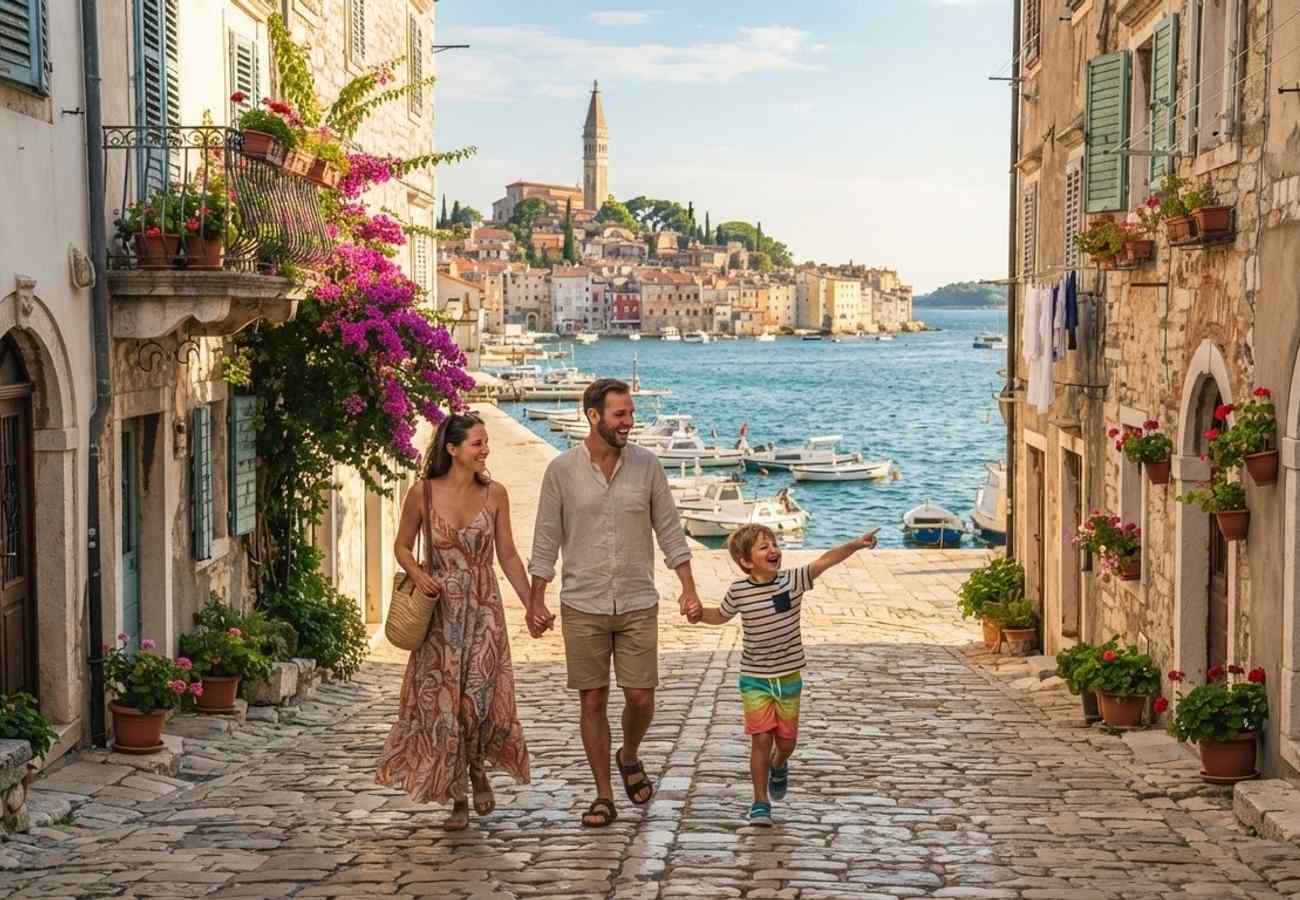
Image generated by AI
European travel patterns remain heavily anchored to the traditional summer window. New data from Eurostat indicates that July and August 2025 accounted for 31.1% of all overnight tourist stays across the European Union.
This concentration underscores a persistent reliance on warm-weather travel, driven by a combination of school holiday calendars, corporate vacation cycles, and the inherent appeal of coastal geography. While Mediterranean hubs saw an explosion of activity, other regions demonstrated a more resilient, year-round visitor economy.
The Geography of Seasonal Concentration
The disparity in how EU member states experience tourism is stark. For coastal nations, the summer months are not merely a peak—they are the primary economic engine for the entire year.
Croatia represents the most extreme example of this trend. Over half of the country's total annual accommodation demand—54.5%—was generated within the two-month window of July and August. This heavy reliance on the Adriatic coastline makes the national tourism sector highly sensitive to summer weather and short-term travel trends.
Bulgaria and Greece followed a similar trajectory, though with slightly less extreme concentration. Bulgaria recorded 43.4% of its annual stays in the summer peak, largely fueled by Black Sea resorts. Greece, bolstered by its world-renowned island networks and Mediterranean beaches, saw 41.6% of its annual overnight stays during these two months.
Destinations Achieving Year-Round Stability
Conversely, several EU nations have successfully decoupled their tourism industry from the summer rush. These destinations maintain a steadier flow of visitors, reducing the strain on infrastructure and creating more stable employment for the hospitality sector.
Malta reported the lowest summer concentration in the EU, with only 21.9% of its annual stays occurring in July and August. Germany (24.0%) and Finland (24.1%) also showed remarkably balanced distributions.
This stability is typically the result of a diversified tourism product. Rather than relying solely on beach tourism, these countries leverage:
- Corporate Travel: Strong business hubs in Germany ensure consistent hotel occupancy.
- Cultural Tourism: City breaks and museum visits remain popular regardless of the season.
- Winter Experiences: Finland's ability to attract visitors for winter activities offsets the summer peak.
The August Peak vs. January Lull
The volatility of European tourism is most evident when comparing the busiest month of the year to the quietest. Across the entire EU, August 2025 generated 3.6 times more overnight stays than January.
In Mediterranean hotspots, this gap is far more dramatic. In Croatia, the volume of overnight stays in August was 41.1 times higher than in January. Greece saw a similar surge, with August activity being 20.5 times greater than the January baseline.
Strategic Shift Toward Sustainable Tourism
In response to these fluctuations, Eurostat has introduced its first harmonized indicators on tourism sustainability. Seasonality is now a primary metric for evaluating the environmental and social impact of travel on a destination.
By tracking these peaks, policymakers can better address:
- Infrastructure Pressure: Managing waste, water, and energy during extreme surges.
- Capacity Planning: Optimizing hotel and transport availability to prevent over-tourism.
- Economic Resilience: Developing "off-season" attractions to provide year-round income for local communities.
EU Tourism Seasonality Comparison 2025
The following data highlights the percentage of total annual overnight stays that occurred during the peak months of July and August.
| Country | % of Annual Stays (July & August) | Seasonality Profile |
|---|---|---|
| Croatia | 54.5% | Extremely High |
| Bulgaria | 43.4% | High |
| Greece | 41.6% | High |
| Finland | 24.1% | Balanced |
| Germany | 24.0% | Balanced |
| Malta | 21.9% | Balanced |
| EU Average | 31.1% | Moderate |
Key Takeaways
- Summer Dominance: Nearly one-third of all EU tourism happens in July and August.
- Extreme Peaks: Croatia is the most seasonal EU destination, with over 50% of visitors arriving in two months.
- Stability Models: Malta, Germany, and Finland provide blueprints for year-round tourism stability.
- Sustainability Focus: Eurostat is now using seasonality data to help governments mitigate the environmental impact of "peak-season" crowds.
The contrast between a 41x surge in Croatia and the steady flow in Germany highlights the urgent need for diversified tourism strategies across the Mediterranean.
Related Travel Guides
Disclaimer
This article is for informational and educational purposes only. It does not constitute legal, financial, or professional advice. While we strive to provide accurate and up-to-date information, travel policies, regulations, and conditions change rapidly. Always verify information with official sources before making travel decisions. Nomad Lawyer makes no representations about the accuracy, reliability, completeness, or suitability of the information provided. Readers should consult qualified professionals for advice specific to their circumstances. The views expressed in this article are those of the author and do not necessarily reflect the views of Nomad Lawyer.
Raushan Kumar
Founder & Lead Developer
Full-stack developer with 11+ years of experience and a passionate traveller. Raushan built Nomad Lawyer from the ground up with a vision to create the best travel and law experience on the web.
Learn more about our team →