
Albania Rise Southern Europe's Fastest-Growing Beach Destination in 2026
Albania's tourism arrivals surged to 12.4 million visitors in 2025, nearly doubling since 2019 and establishing it as Southern Europe's fastest-growing Mediterranean escape with prices undercutting established rivals.

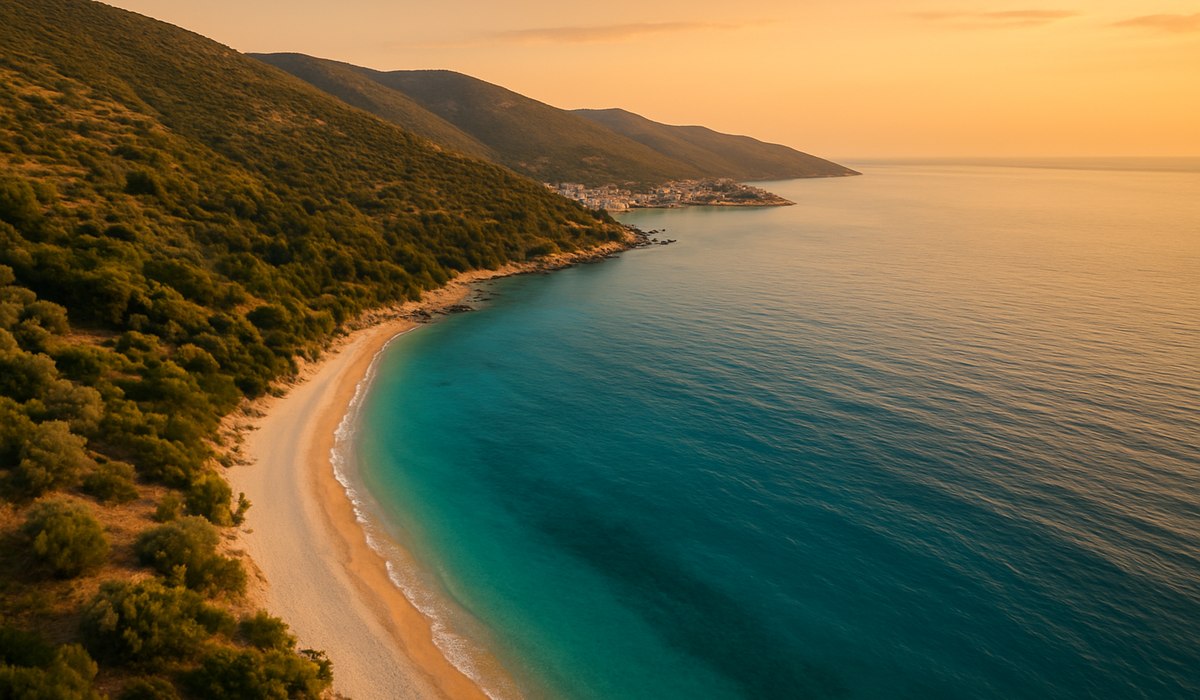
Image generated by AI
Albania's Dramatic Ascent: Southern Europe's New Tourism Champion
Albania has emerged as Southern Europe's fastest-growing Mediterranean destination, attracting 12.4 million international visitors in 2025—a nearly 100 percent increase since 2019. This small Balkan nation, once a blank spot on European holiday maps, now ranks among the continent's top tourism growth stories. Located along the Ionian Sea between Greece and Italy, Albania combines unspoiled beaches, authentic culture, and budget-friendly pricing that consistently undercuts established Mediterranean rivals. The surge reflects a fundamental shift in how travelers discover and value European escapes.
From Hidden Corner to Record-Breaking Hotspot
Albania's transformation from tourism afterthought to continental attraction represents one of travel's most dramatic reversals. Official statistics confirm that international arrivals have nearly doubled since 2019, positioning the country near Europe's growth summit. The 2025 visitor count of 12.4 million exceeded 2024's 11.7 million, demonstrating sustained momentum rather than a temporary spike.
What explains this acceleration? Tourism analysts point to improved infrastructure, particularly the 2024 opening of the Llogara Tunnel, which dramatically shortened travel times along the Albanian Riviera. Enhanced road networks and expanding low-cost airline routes from major European hubs have democratized access. Additionally, the global shift toward alternative Mediterranean destinations—driven by overtourism at traditional hotspots—has redirected millions of budget-conscious travelers eastward across the Adriatic.
For comprehensive insights into Europe's fastest-growing destinations, the European Travel Commission publishes annual tourism trends that confirm Albania's rank among continental leaders.
Why Albania's Prices Remain Competitive
Despite surging demand, Albania maintains its position as Southern Europe's most affordable Mediterranean option. Bank of Albania data for 2024 show average per-visitor spending remains substantially below Greece and Turkey, even as total tourism revenue reaches historic peaks. Hotel rooms, restaurant meals, and activities cost visibly less than Croatia, Italy, or Greece equivalents.
This pricing advantage stems from several factors. The country's late entry into mass tourism means infrastructure and labor costs haven't inflated to Western Mediterranean levels. Local guesthouses and family-run restaurants dominate the hospitality sector, undercutting international chain pricing. Additionally, businesses remain in growth phases, prioritizing volume over margin expansion—a strategy that benefits early arrivals before premium positioning takes hold.
Travelers booking now capture genuine savings unavailable in established resorts. A beachfront dinner in Sarandë costs a fraction of equivalent meals in Croatian Dalmatia. Mountain lodge stays in the Accursed Mountains rival Alpine guesthouse rates. These economics make Albania particularly attractive for families, extended trips, and travelers maximizing limited budgets.
The World Travel and Tourism Council tracks pricing dynamics across Mediterranean destinations, providing comparative analysis for destination researchers.
The Albanian Riviera: Mediterranean Tranquility Without Crowds
The 50-kilometer stretch of coastline between Vlorë and Sarandë—known as the Albanian Riviera—forms the foundation of Albania rise southern tourism. Unlike overcrowded Mediterranean beaches dominated by sprawling hotel complexes, the Riviera retains authentic character: turquoise waters lap white-pebble coves, and villages feel residential rather than resort-manufactured.
Infrastructure improvements have paradoxically enhanced accessibility while preserving remoteness. The Llogara Tunnel allows visitors to reach southern beaches without enduring mountain passes, redistributing crowds across smaller settlements. Outside peak July-August weeks, sunbeds remain available, traffic stays manageable, and many coves retain provincial quiet. Family-run guesthouses and boutique accommodations cluster above the shore rather than dominating entire stretches.
This balance—easy access combined with underdeveloped infrastructure—creates space for travelers seeking Mediterranean experiences without Amalfi Coast density or Spanish Costa package-tour saturation. Ksamil remains the most publicized destination, but lesser-known bays from Drymades to Himara offer comparable beauty with substantially fewer visitors.
However, rapid construction is advancing. New beach clubs and hotel projects are accelerating in certain zones, potentially reshaping the Riviera's character within five years. Early visitors encounter genuine tranquility; future arrivals may discover something different.
Tourism's Economic Transformation of Albania
Beyond visitor statistics, Albania rise southern reflects deeper economic restructuring. Tourism now contributes more than 25 percent of Albania's gross domestic product, elevating it from niche sector to primary economic pillar alongside remittances and manufacturing.
This structural shift is reshaping national priorities. Government authorities and private businesses increasingly target higher-value, longer-stay visitors over volume metrics. Infrastructure investment accelerates. Service quality improves. Marketing focuses on premium positioning rather than budget-only branding.
For economists, Albania's tourism expansion demonstrates how late-entrant Mediterranean destinations can rapidly capture market share through authentic differentiation and affordable pricing. For travelers, it signals that the current affordability window remains temporary. Prices will inevitably rise as infrastructure maturation, international investment, and brand positioning advance.
The UNWTO (United Nations World Tourism Organization) publishes detailed destination performance analysis, including Mediterranean regional comparisons.
Authentic Culture Beyond the Beaches
Albania's appeal extends far beyond coastal tourism. UNESCO-listed stone towns like Berat and Gjirokastër, with their Ottoman-era architecture and hilltop castles, attract growing numbers of culture-focused travelers. Northern mountains—particularly the "Accursed Mountains"—have emerged as serious hiking destinations rivaling Alpine trails.
Rural agritourism experiences in central highlands offer authentic alternatives to resort stays. Traditional villages preserve everyday cultures that mass tourism hasn't yet commodified. Home-cooked meals, vineyard visits, and evening music sessions remain genuine rather than performative.
Multi-stop itineraries pairing Riviera beaches with historic cities or mountain villages have become increasingly common. This diversification appeals to travelers seeking substance beyond sunbathing, making Albania competitive with longer-established Mediterranean circuits.
| Metric | 2019 | 2024 | 2025 | Growth Rate |
|---|---|---|---|---|
| Annual Visitors | 6.4M | 11.7M | 12.4M | +94% (2019-2025) |
| Average Daily Rate (Hotel) | €35 | €48 | €52 | +49% |
| Tourism Revenue (% GDP) | 14% | 24% | 26%+ | +86% |
| Llogara Tunnel Status | Not Built | Operational | Enhanced Access | 2024 Opening |
| UNESCO Sites | 2 | 2 | 2 | Stable |
| International Flights (Weekly) | 120 | 420 | 510+ | +325% |
What Travelers Need to Know
Actionable Takeaways for Planning Albanian Travel:
-
Book Accommodations Early: While prices remain competitive against Mediterranean rivals, peak-season availability tightens as visitor numbers climb. June and September offer optimal combinations of warm weather, manageable crowds, and reasonable booking options.
-
Prioritize Off-Peak Timing: Visit May, late September, or early October to experience the Riviera's primary appeal—unspoiled beaches with minimal crowds. July-August sees European holiday migrations; earlier/later months preserve tranquility.
-
Combine Coastal and Cultural Tourism: Design itineraries pairing 4-5 Riviera beach days with 2-3 days exploring Berat, Gjirokastër, or mountain villages. This multi-destination approach maximizes value and cultural depth.
-
Secure Budget Airline Seats: Low-cost carriers increasingly serve Albania from European hubs. Early booking (8-10 weeks ahead) captures substantially lower fares than last-minute reservations.
Disclaimer
This article is for informational and educational purposes only. It does not constitute legal, financial, or professional advice. While we strive to provide accurate and up-to-date information, travel policies, regulations, and conditions change rapidly. Always verify information with official sources before making travel decisions. Nomad Lawyer makes no representations about the accuracy, reliability, completeness, or suitability of the information provided. Readers should consult qualified professionals for advice specific to their circumstances. The views expressed in this article are those of the author and do not necessarily reflect the views of Nomad Lawyer.
Preeti Gunjan
Contributor & Community Manager
A passionate traveller and community builder. Preeti helps grow the Nomad Lawyer community, fostering engagement and bringing the reader experience to life.
Learn more about our team →