
European Island Tourism Shift 2026: Travelers Abandon Overcrowded Hubs for Sustainable Hidden Gems
New 2026 travel data reveals a significant pivot away from mass-market Mediterranean hubs toward lesser-known islands in Greece, Italy, and Spain as travelers prioritize sustainability and lower costs.

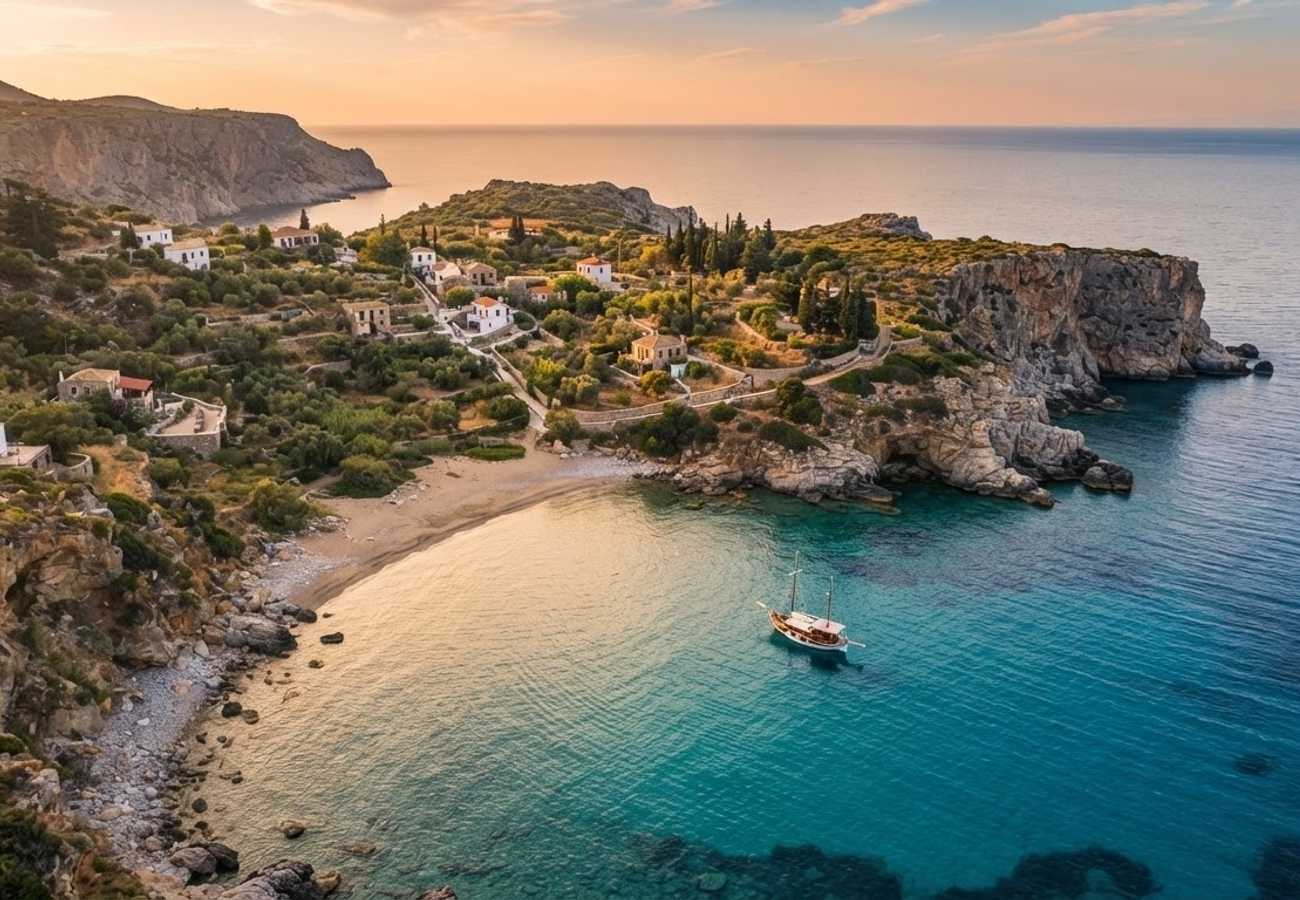
Image generated by AI
Industry data for the 2026 summer season indicates a systemic shift in European tourism, with travelers actively bypassing saturated hubs in favor of "next tier" island destinations. This movement is driving increased demand for multimodal transport links across the Mediterranean and Atlantic.
The Shift Toward "Next Tier" Destinations
Analysis of the Expedia 2026 Island Hot List and independent travel trend studies shows a marked increase in searches for alternative island getaways. Travelers are increasingly rejecting all-inclusive resort models in favor of intentional, experience-led itineraries.
This pivot is primarily a response to the volatility of classic Mediterranean hubs, where peak-season room rates and extreme visitor density have reached critical levels. The growth of these emerging hotspots is supported by expanded regional air links and modernized ferry networks, making remote territories more accessible to international arrivals.
Regional Impact and Emerging Hotspots
Greece: Beyond the Cycladic Giants
While Santorini and Mykonos remain high-profile, 2026 itineraries are diversifying toward the Dodecanese and North Aegean.
- Primary Alternatives: Syros, Samos, and Chios are seeing increased traffic due to reliable ferry connections and developed visitor infrastructure.
- The "Slow Hopping" Trend: Travelers are now linking major hubs like Naxos, Rhodes, or Kos with quieter neighbors, spending longer durations on fewer islands to reduce transit stress and support local heritage.
- Policy Driver: Greek regional authorities are actively promoting these islands to mitigate water resource depletion and housing pressure in overcrowded zones.
Italy: The Adriatic and Volcanic Outposts
Travelers are moving beyond Capri, Sicily, and Sardinia’s primary resorts to seek "Hidden Italy."
- Adriatic Focus: The Tremiti Islands are gaining traction for their marine reserves and clear waters.
- Sardinian Alternatives: The Maddalena archipelago is seeing a rise in low-impact tourism due to strict protected area regulations.
- Sicily Periphery: Ustica and Pantelleria are emerging as key destinations for diving and volcanic landscapes.
Spain: Atlantic Sustainability and Nature Reserves
Spanish tourism is seeing a surge in nature-focused outposts, particularly those with strong environmental certifications.
- Canary Islands: El Hierro is now a primary case study for low-impact tourism, leveraging its renewable energy infrastructure and limited accommodation capacity to cap visitor numbers.
- Balearic Islets: There is a noted shift toward smaller islets and protected marine parks for kayaking and birdwatching, moving away from mass-market entertainment strips.
Passenger Rights & Travel Advisory
For the passenger transitioning from a major hub to a remote island, the logistical risk profile increases. Our analysis of current European transport frameworks suggests the following protections and strategies:
Flight and Ferry Disruptions When utilizing multimodal trips (rail-to-ferry-to-flight), passengers must be aware that delays in one leg can trigger a domino effect.
- EU261/2004 Protections: If your regional flight to a gateway city (e.g., Athens or Naples) is delayed or canceled, you are entitled to care and compensation depending on the length of the delay and the cause. However, note that EU261 generally does not cover ferry delays.
- The Connection Gap: For the affected passenger, this means a missed ferry due to a flight delay is often not the ferry operator's responsibility. We strongly advise building in "buffer nights" in gateway cities to avoid total itinerary collapse.
Accommodation and Booking Risks Remote islands often lack the standardized inventory of large chains.
- Local Contracts: Booking through small, locally run guesthouses or agriturismos may mean fewer standardized cancellation policies. Always verify the refund terms in writing.
- Capacity Limits: Due to the sustainability caps mentioned in regions like El Hierro, last-minute bookings are virtually impossible.
Industry Analyst View
The transition toward "hidden" islands is not merely a trend but a necessary evolution of the European tourism model. By distributing visitor loads across a wider geographic area, regional governments are attempting to prevent the "tourism phobia" seen in major cities.
However, the reliance on multimodal transport introduces new vulnerabilities. The success of this shift depends on the reliability of secondary ports and regional airports, which often lack the redundancy of major international hubs. We expect to see a rise in specialized travel insurance products that cover "intermodal connection failure" as these routes become more popular.
Navigating the shift from mass tourism to sustainable exploration requires a strategic approach to logistics and a willingness to accept simpler infrastructure.
Related Travel Guides
Disclaimer
This article is for informational and educational purposes only. It does not constitute legal, financial, or professional advice. While we strive to provide accurate and up-to-date information, travel policies, regulations, and conditions change rapidly. Always verify information with official sources before making travel decisions. Nomad Lawyer makes no representations about the accuracy, reliability, completeness, or suitability of the information provided. Readers should consult qualified professionals for advice specific to their circumstances. The views expressed in this article are those of the author and do not necessarily reflect the views of Nomad Lawyer.
Preeti Gunjan
Contributor & Community Manager
A passionate traveller and community builder. Preeti helps grow the Nomad Lawyer community, fostering engagement and bringing the reader experience to life.
Learn more about our team →