
European Tourism Shift 2026: 40°C Heatwaves Drive Travelers to Mountain and Alpine Retreats
Extreme heatwaves exceeding 40°C across Italy, France, and Spain are triggering a massive migration toward cooler mountain retreats and northern European destinations in 2026.

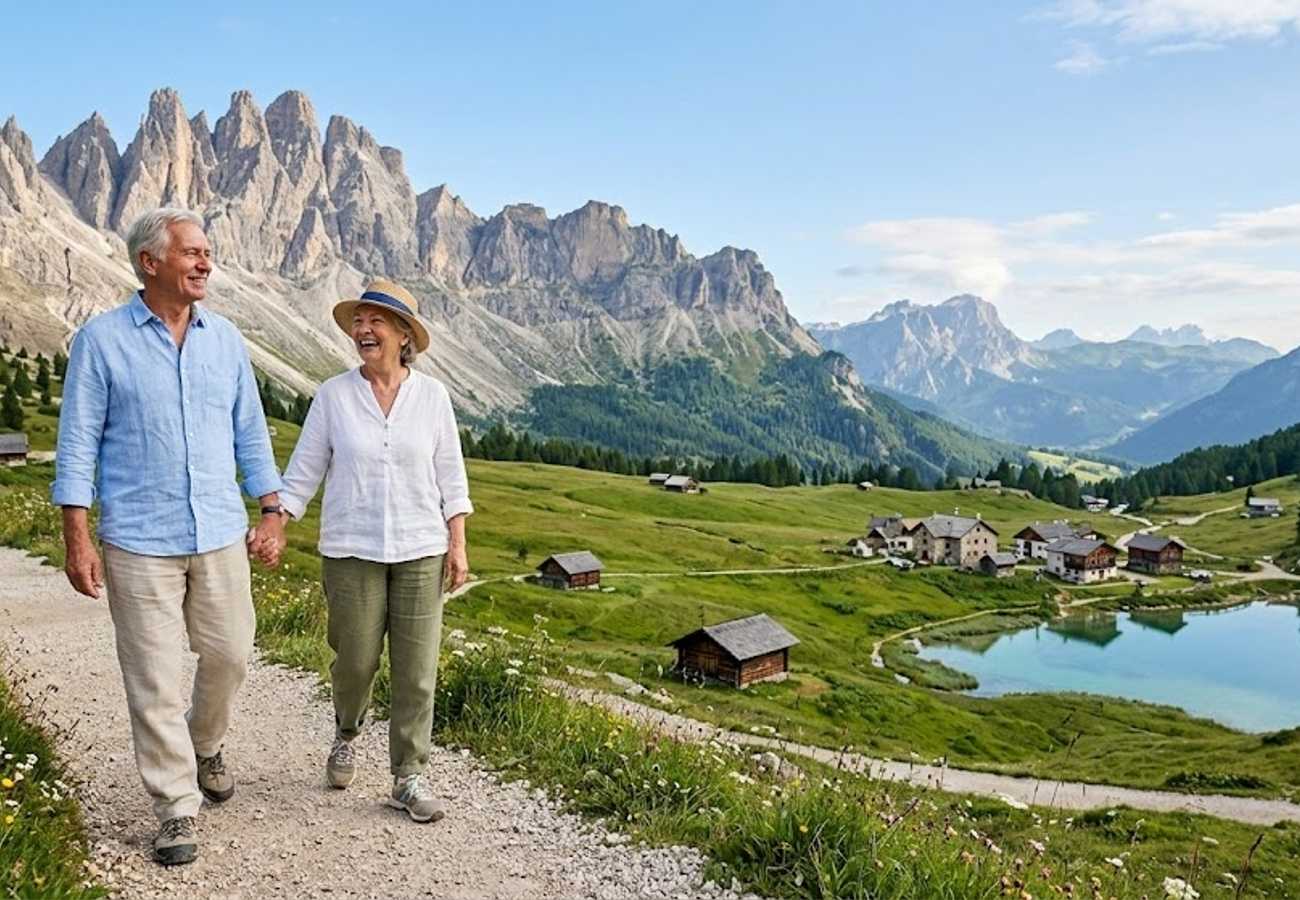
Image generated by AI
Extreme temperatures exceeding 40°C are fundamentally rewriting the rules of summer travel across Europe in 2026. Millions of tourists are abandoning traditional Mediterranean hotspots in favor of high-altitude retreats, lakeside destinations, and northern latitudes to escape lethal heat.
The 2026 summer season marks a pivot in European tourism. The historical reliance on July and August as peak months for beach and city holidays is fracturing as climate comfort becomes the primary driver of destination selection. From the urban heat islands of Germany to the wildfire-prone coasts of Portugal, the industry is witnessing a mass migration toward "cool havens."
Regional Impact Analysis
Italy: Economic Strain and Behavioral Shifts Italy is experiencing some of the most severe disruptions. The economic toll is significant, with business groups warning that prolonged extreme heat could result in annual losses between €6 billion and €12 billion. These figures stem from plummeted productivity, spiked energy costs, and shifting consumer habits.
In historic centers like Rome, Florence, and Venice, the traditional sightseeing model is failing. Travelers are now adopting "split-schedule" tourism—exploring cities in the early morning or late evening and prioritizing hotels with advanced cooling infrastructure. Consequently, the Alps and Dolomites are seeing a surge in demand.
France: Mediterranean Retreat Southern France, including Provence and the French Riviera, is facing a dual threat of extreme temperatures and increased wildfire risks. This has pushed visitors toward the French Alps, northern forest regions, and lakeside villages. The French tourism sector is responding by aggressively promoting nature-based wellness and shifting outdoor activities to off-peak daylight hours.
Portugal and Spain: The Atlantic Pivot In Portugal, temperatures hitting 40°C have put immense pressure on the Algarve region, impacting golf tourism and beach activities. Travelers are pivoting toward Northern Portugal’s greener landscapes and wine regions.
Similarly, Spain is seeing a migration away from Andalusia and Madrid. The trend is a clear shift toward Northern Spain and the Atlantic coastal areas, where ocean influences provide a necessary thermal buffer.
Germany: The Urban Heat Challenge While traditionally cooler, Germany is now battling urban heat islands. Berlin and other major cities are seeing higher cooling demands and productivity losses. This has increased the appeal of the Bavarian Alps, the Black Forest, and various lakeside countryside destinations.
Critical Shift in Traveler Preferences
Industry observers note that the "climate-conscious traveler" is no longer a niche demographic but the new market standard. The following preferences have become dominant in 2026:
- Altitude over Coastline: Preference for alpine villages and mountain resorts.
- Seasonality Shifts: A move toward "shoulder season" travel (spring and autumn).
- Nature-Centric Escapes: Increased searches for forest-based wellness and lakeside retreats.
- Infrastructure Requirements: High-efficiency cooling systems are now a non-negotiable booking criterion for hotels.
Economic Impact Summary: Italy
| Impact Area | Primary Driver | Estimated Annual Loss |
|---|---|---|
| National Economy | Productivity & Energy Costs | €6 Billion – €12 Billion |
| Historic Tourism | Daytime Heat Stress | High Vulnerability |
| Hospitality | Increased Cooling Demand | Rising Operational Costs |
Why This Matters: The Industry Implication
The 2026 heatwaves represent more than a temporary weather event; they signal a permanent structural shift in the European travel economy. For decades, the Mediterranean "Sun, Sea, and Sand" model was the gold standard. However, when temperatures consistently exceed 40°C, these destinations transition from "desirable" to "dangerous."
The "Information Gain" here is the emergence of Thermal Migration. We are seeing a redistribution of tourism capital from the south to the north and from the coast to the mountains. This creates a massive opportunity for regions like the Bavarian Alps or Northern Portugal to capture market share, but it also threatens the economic stability of southern regions that lack the infrastructure to pivot toward year-round or shoulder-season tourism.
Forward Outlook
Expect a rapid acceleration in the development of "cool-climate" tourism infrastructure. This will likely include:
- Diversification of Marketing: Southern European nations will stop promoting "summer sun" and start marketing "autumnal elegance" and "spring rebirth."
- Infrastructure Retrofitting: Massive investment in urban cooling and green architecture in cities like Rome and Madrid to maintain viability as tourist hubs.
- Rise of the "Cool-Cation": The formalization of the "cool-cation" trend, where high-latitude and high-altitude destinations become the primary summer targets, potentially leading to over-tourism in previously quiet mountain villages.
The era of the Mediterranean summer is evolving into an era of climate-driven destination agility.
Related Travel Guides
Disclaimer
This article is for informational and educational purposes only. It does not constitute legal, financial, or professional advice. While we strive to provide accurate and up-to-date information, travel policies, regulations, and conditions change rapidly. Always verify information with official sources before making travel decisions. Nomad Lawyer makes no representations about the accuracy, reliability, completeness, or suitability of the information provided. Readers should consult qualified professionals for advice specific to their circumstances. The views expressed in this article are those of the author and do not necessarily reflect the views of Nomad Lawyer.
Kunal K Choudhary
Co-Founder & Contributor
A passionate traveller and tech enthusiast. Kunal contributes to the vision and growth of Nomad Lawyer, bringing fresh perspectives and driving the community forward.
Learn more about our team →