
European Capitals Tighten Security to Protect Tourists from Scams
European cities, including Paris and Barcelona, are boosting police patrols and deploying surveillance systems to target tourist scams and pickpocketing.
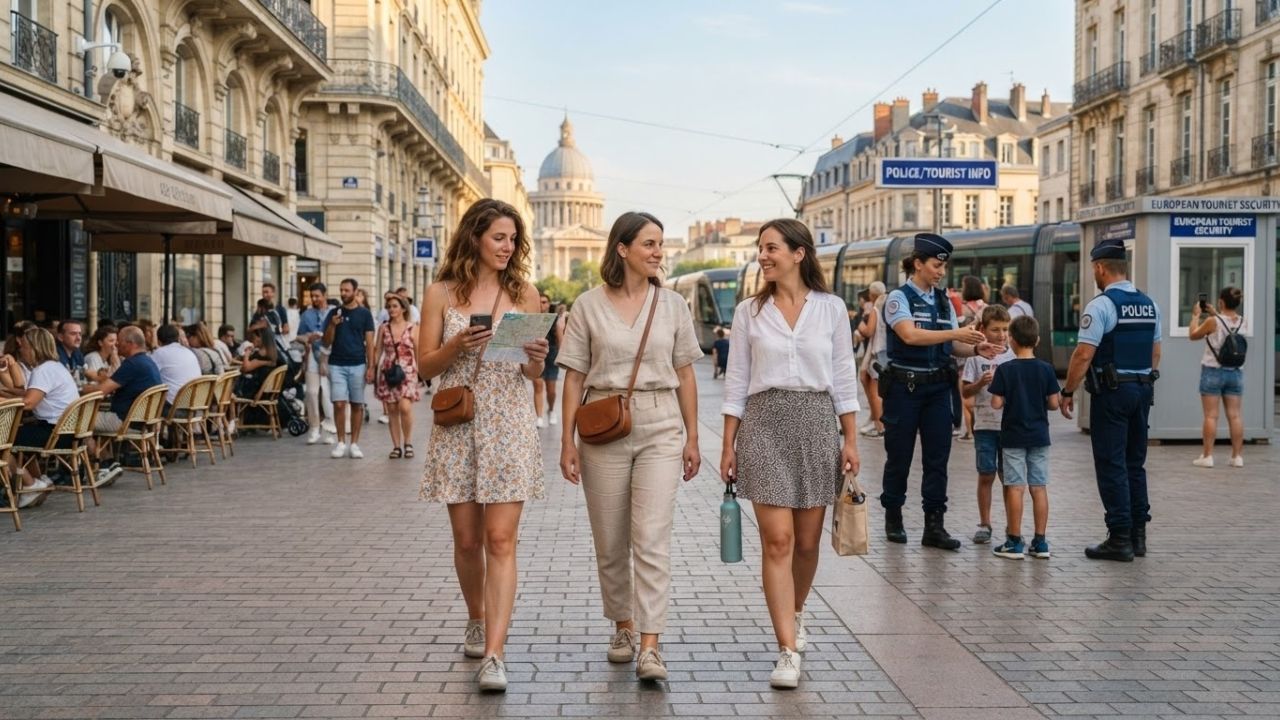
Image generated by AI
European capitals are stepping up security patrols and surveillance to protect international tourists from organized pickpocketing and distraction scams.
The Core Transit Update
Urban transit corridors and pedestrian routes in Europe are undergoing safety reviews as city authorities step up measures to protect tourists. In response to rising reports of organized pickpocketing, distraction scams, and phone snatchings, municipalities in France, Spain, Italy, Belgium, and Greece are deploying targeted security systems.
Stricter police patrols, surveillance cameras, and tourist assistance centers are being concentrated around high-density transit hubs, metro stations, and historic monuments to preserve the region's visitor economy.
High-Risk Hotspots & Security Countermeasures
Coordinating travel itineraries across European railway networks requires identifying municipal high-risk zones and local security resources. The following table provides specifications for safety operations across key cities.
| Affected European City | High-Risk Tourist Hotspots | Common Theft & Scam Tactics | Deployed Municipal Security Countermeasures |
|---|---|---|---|
| Paris (France) | Eiffel Tower, Louvre, Notre-Dame, Metro | Fake petitions, friendship bracelets, metro pickpocketing | Enhanced police patrols & passenger warnings |
| Barcelona (Spain) | La Rambla, Gothic Quarter, Metro, Beachfront | Smartphone grabbing, bag snatching, distraction scams | Increased police presence & warning signs |
| Rome (Italy) | Colosseum, Trevi Fountain, Spanish Steps, Vatican | Bag theft, phone grabbing, unofficial guide scams | Enhanced surveillance & tourist assistance teams |
| Brussels (Belgium) | South, Central, and North Railway Stations | Luggage theft, pickpocketing (especially after dark) | Targeted patrols & hotel safety brief materials |
| Athens (Greece) | Acropolis metro, archaeological sites | Opportunistic pickpocketing & distraction tricks | Tourist police deployments & warning notices |
European municipal safety coordinates and security measures.
Traveler Logistics Guide
From a ground-level perspective, the best way to navigate this is to store your digital passports and cash cards inside a concealed body pouch under your clothing rather than in a backpack, as pickpockets typically target distracted travelers in crowded boarding queues. Checking emergency numbers is recommended.
To stay safe during transit across European hubs:
- Metro Passenger Precautions: In Paris and Barcelona, keep your bags zipped and held in front of your body when boarding metro carriages. Phone snatchers often strike just as train doors prepare to close.
- Railway Station Awareness: Brussels South (Midi) Station and Brussels North Station require high alertness, particularly after dark. Do not leave your luggage unattended when buying train tickets.
- Friendly Assistances: Reject help from unofficial guides offering to purchase train tickets or carry bags at terminal gates. Utilize official ticketing machines or ask uniformed railway agents.
- Reporting Incident Logs: If you experience theft, report the incident immediately to the nearest tourist police office to secure a police report for your travel insurance carrier.
Infrastructure Impact Assessment
The enforcement of strict anti-scam regulations highlights the link between transport security and destination reputation. By utilizing digital surveillance networks in metro stations and targeting organized repeat offender rings, European transit agencies prevent theft without disrupting tourist flows.
These security protocols support the long-term viability of the continent's rail and air networks, ensuring that millions of solo and independent explorers can navigate European gateways with confidence.
Related Travel Guides
Mekong Delta Farmers Launch Digital Community Tourism Initiative
Disclaimer
This article is for informational and educational purposes only. It does not constitute legal, financial, or professional advice. While we strive to provide accurate and up-to-date information, travel policies, regulations, and conditions change rapidly. Always verify information with official sources before making travel decisions. Nomad Lawyer makes no representations about the accuracy, reliability, completeness, or suitability of the information provided. Readers should consult qualified professionals for advice specific to their circumstances. The views expressed in this article are those of the author and do not necessarily reflect the views of Nomad Lawyer.