
Seven European Cities Rank Among World's Best Destinations for Tourism Safety and Service Quality, Supporting Travel to Europe: New Travel Alert
Seven European cities, including London, The Hague, and Copenhagen, secure top global rankings for safety, contactless transit, and visitor services.

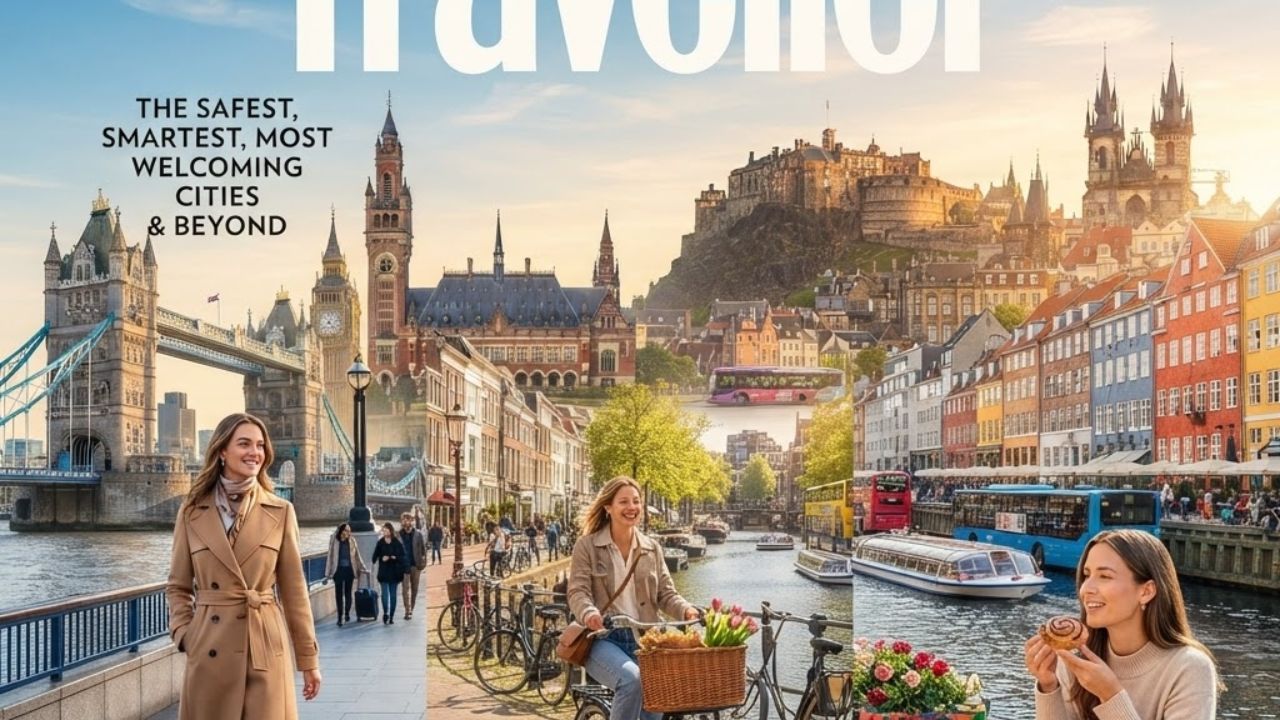
Image generated by AI
A landmark global ranking of tourist-friendly cities is highlighting the resilience of regional urban centers, helping holidaymakers prepare their next travel to Europe. According to a comprehensive index of safety, visitor infrastructure, and digital accessibility, seven European destinations have secured top-tier positions.
[LONDON, July 31, 2026] — A landmark global ranking of tourist-friendly cities is highlighting the resilience of regional urban centers, helping holidaymakers prepare their next travel to Europe. According to a comprehensive index of safety, visitor infrastructure, and digital accessibility, seven European cities—London, The Hague, Copenhagen, Aarhus, Edinburgh, Utrecht, and Prague—have secured top-tier positions. The report indicates that modern travelers are prioritizing safety, cashless payment systems, and walkable city designs alongside historical monuments.
Context: Rising Infrastructure Standards in Travel to Europe
The international tourism sector is adapting to changing traveler priorities, with safety, transport efficiency, and digital connectivity becoming just as important as famous landmarks. Holidaymakers are increasingly looking for cities that offer convenient transits, English-language communication, and secure walking districts. This demand has led to a new generation of hospitality rankings that evaluate how effectively urban centers support visitors.
By integrating digital transport networks, cashless convenience, and multilingual visitor services, European destinations continue to perform strongly in global markets. These infrastructure investments help build traveler confidence, ensuring a reliable holiday experience for tourists planning their next travel to Europe.
London: Leading Europe’s Hospitality with Contactless Systems and Transit Hubs
Securing the second spot globally and the top rank in Europe, London remains a primary gateway for international visitors:
- Visitor Centers: The city offers 54 dedicated visitor assistance centers and information points located near major railway stations, airports, and landmarks.
- Seamless Payments: Transport for London (TfL) operates a contactless payment network across all buses, Underground services, and the Elizabeth Line. Visitors can tap bank cards or mobile wallets directly at fare gates, bypassing traditional ticketing systems. For route maps and fare details, travelers can consult Transport for London (TfL).
- Major Attractions: Iconic sights include the British Museum, Tate Modern, the National Gallery, the Natural History Museum, the Tower of London, and the West End theatre district.
London is connected internationally via high-speed Eurostar trains departing from St Pancras International to Paris and Brussels, and through major airports like Heathrow, Gatwick, and Stansted.
The Hague: Coastal Tourism, International Diplomacy, and Safety
Ranking seventh globally and second in Europe, the Dutch city of The Hague serves as the leading European Union destination in the index:
- Safe Environment: Known as the International City of Peace and Justice, it offers a secure environment supported by organized urban planning and reliable tram networks.
- Seaside Proximity: Travelers can combine cultural heritage with beach tourism because Scheveningen Beach is situated close to the historic city center and accessible via local trams.
- Key Landmarks: The city houses the Mauritshuis Museum (featuring Johannes Vermeer’s Girl with a Pearl Earring), the Peace Palace, and the Binnenhof parliament complex.
Direct train services link Den Haag Centraal to Amsterdam Schiphol Airport in less than 45 minutes, offering convenient regional connectivity.
Denmark: Sustainable Transport and Compact Culture in Copenhagen and Aarhus
Denmark placed two cities in the global top ten, highlighting the country's welcoming travel atmosphere:
Copenhagen (Global Rank #9)
Denmark's capital is recognized for its driverless, 24-hour metro system and extensive bicycle lanes. Tourists can explore Nyhavn harbor, Tivoli Gardens, and Rosenborg Castle, or experience the city's food tourism sector, which includes several world-class Nordic restaurants.
Aarhus (Global Rank #10)
Denmark's second-largest city offers a compact, walkable center influenced by a large student population from Aarhus University. Main attractions include the ARoS Aarhus Art Museum (famous for the Your rainbow panorama rooftop artwork), Den Gamle By open-air museum, and the historic Latin Quarter.
United Kingdom and Netherlands: Walkable Charm in Edinburgh and Utrecht
Both Edinburgh and Utrecht perform strongly by offering historic heritage and easy pedestrian mobility:
Edinburgh (Global Rank #11)
The Scottish capital features UNESCO-listed Old Town and New Town districts that are easily explored on foot. Visitors are drawn to Edinburgh Castle, the Royal Mile, and Arthur’s Seat, as well as seasonal cultural events like the Edinburgh Festival Fringe.
Utrecht (Global Rank #12)
Utrecht provides a quieter alternative to Amsterdam, featuring historic canals with wharf cellars, the Dom Tower, and the Rietveld Schröder House. The car-free city center is designed for walking and cycling, and Utrecht Centraal station connects to Amsterdam Schiphol Airport in under 25 minutes.
Prague: Combining Affordable Travel with Preserved Heritage Monuments
Ranking sixteenth globally and seventh in Europe, the Czech capital is the top performer in Central Europe:
- Heritage Landscapes: Prague is famous for its preserved architecture, including Charles Bridge, Prague Castle, Old Town Square, and the Astronomical Clock.
- Affordable Options: The city offers competitive pricing on lodging, dining, and museum entry compared to western European capitals.
- Public Transport: An efficient network of trams, buses, and metro lines connects all major tourist districts, supported by multilingual signage.
Global and European Hospitality Rankings of Top Destinations
The following table summarizes the rankings and key features of Europe's top-performing cities:
| City | Country | Global Rank | European Rank | Primary Tourism Infrastructure Strength | Key Transit Hub |
|---|---|---|---|---|---|
| London | United Kingdom | #2 | #1 | 54 visitor centers, TfL contactless ticketing, international rail | St Pancras, Heathrow Airport |
| The Hague | Netherlands | #7 | #2 | Low crime rates, coastal beach access, diplomatic safety | Den Haag Centraal |
| Copenhagen | Denmark | #9 | #3 | 24-hour driverless metro, green cycling mobility, public spaces | Copenhagen Airport |
| Aarhus | Denmark | #10 | #4 | Walkable university center, compact design, regional rail | Aarhus Central Station |
| Edinburgh | United Kingdom | #11 | #5 | UNESCO walkability, heritage preservation, large arts festivals | Edinburgh Waverley |
| Utrecht | Netherlands | #12 | #6 | Car-free historic center, canal walks, central rail connections | Utrecht Centraal |
| Prague | Czech Republic | #16 | #7 | Low-cost services, multilingual support, historic architecture | Prague Main Station |
Why This Matters (Information Gain & Experience)
For the traveler, these rankings indicate which destinations offer the most hassle-free arrival experiences. Landing in London or Copenhagen means you do not need to buy paper transit tickets or decipher complex local fare zones; you can simply use your phone or contactless card at the gates.
From a planning perspective, smaller cities like Utrecht or Aarhus offer the same level of safety and public transit efficiency as nearby capitals but with significantly fewer crowds. If you are looking for an authentic regional experience, choosing these secondary hubs allows you to explore historic canals and local markets at a more relaxed pace.
Future Urban Planning and Long-Term Travel to Europe
To maintain their high rankings, these cities are investing in further upgrades to their pedestrian zones, digital services, and green transport options. By focusing on visitor convenience and public safety, these urban centers show how modern infrastructure can successfully support international tourism, securing the future of travel to Europe.
Conclusion
The success of London, The Hague, and Copenhagen highlights the value of visitor-focused infrastructure in modern tourism. By offering reliable transit, clear safety measures, and digital conveniences, these cities make travel easier and more comfortable. This balanced approach helps ensure that European destinations remain popular choices for global travelers.
Related Travel Guides
- Timor-Leste Simplifies Visa on Arrival Policies and Updates Safety Advisory to Support Travel to Timor-Leste: New Travel Alert
- Brunei Expands MICE Partnerships and Launches Professional Training to Promote Sustainable Travel to Brunei: New Travel Alert
- SriLankan Airlines Partners with Maldivian to Simplify Booking and Expand Travel to the Maldives: New Travel Alert
Suggested SEO Metadata & Assets
Disclaimer
This article is for informational and educational purposes only. It does not constitute legal, financial, or professional advice. While we strive to provide accurate and up-to-date information, travel policies, regulations, and conditions change rapidly. Always verify information with official sources before making travel decisions. Nomad Lawyer makes no representations about the accuracy, reliability, completeness, or suitability of the information provided. Readers should consult qualified professionals for advice specific to their circumstances. The views expressed in this article are those of the author and do not necessarily reflect the views of Nomad Lawyer.
Kunal K Choudhary
Co-Founder & Contributor
A passionate traveller and tech enthusiast. Kunal contributes to the vision and growth of Nomad Lawyer, bringing fresh perspectives and driving the community forward.
Learn more about our team →