
Europe Jet Fuel Shortage Hormuz: Summer Travel Alert April 2026
European airports warn of imminent jet fuel shortage within three weeks if Strait of Hormuz disruptions persist into 2026, threatening peak summer travel season operations across the continent.

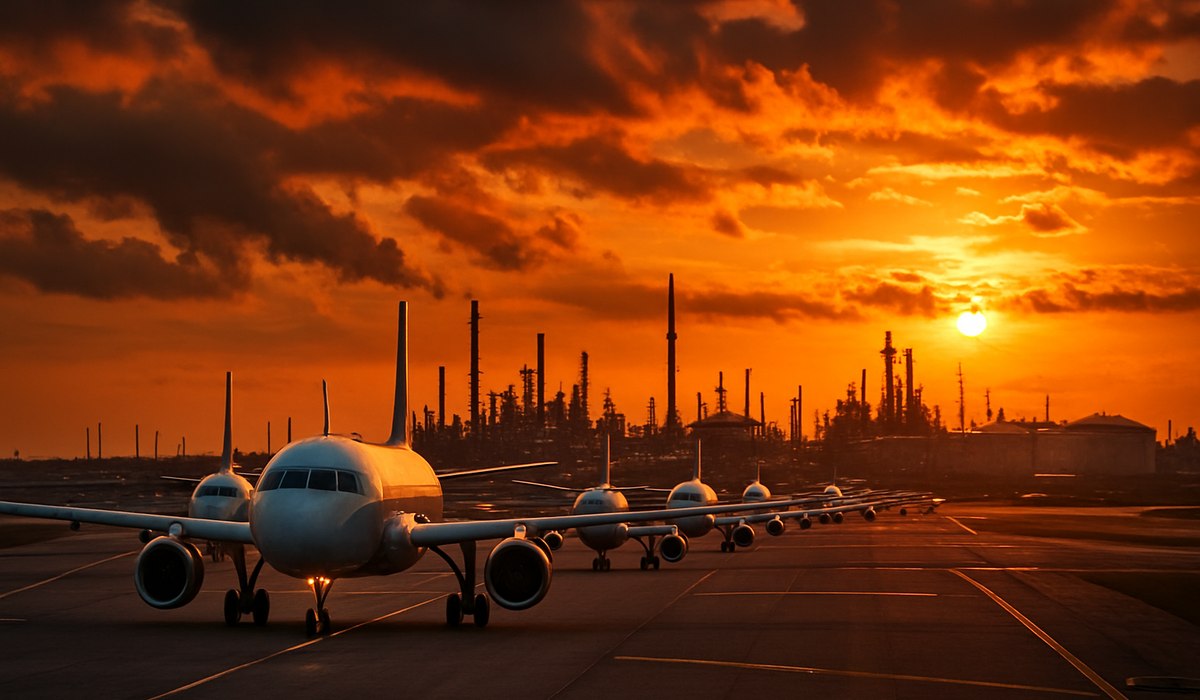
Image generated by AI
Europe Faces Critical Jet Fuel Supply Crisis as Hormuz Disruption Threatens Summer Travel
European airports are sounding alarm bells over a looming jet fuel shortage that could disrupt the continent's peak summer travel season. Airports Council International (ACI) Europe has warned EU officials that if maritime disruptions through the Strait of Hormuz persist beyond the next three weeks, the European Union faces a systemic aviation fuel crisis. Current fuel stockpiles and contracted deliveries may prove insufficient to meet demand as leisure travel surges in May and June 2026. This supply chain vulnerability exposes millions of summer travelers to potential flight cancellations, delays, and higher airfares across popular holiday routes.
The crisis stems from ongoing restrictions on shipping through one of the world's most critical energy chokepoints. The Strait of Hormuz, located between Oman and Iran, typically handles approximately 20 percent of global petroleum trade. When tanker movements slow or halt, European refineries struggle to maintain consistent aviation fuel supplies. Industry analysis confirms that Europe sources 25-40 percent of its jet fuel from Gulf region refineries and regional hubs, creating substantial exposure to any prolonged Hormuz disruption.
Airports Council International Issues Stark Warning on Systemic Fuel Risk
ACI Europe's recent letter to European Union energy and transport officials presents an urgent scenario. The organization outlined that current aviation fuel reserves combined with pre-arranged deliveries cannot sustain normal flight operations if the Hormuz disruption extends through late spring and early summer. The warning has shifted industry rhetoric from discussing a "potential concern" to addressing an imminent "systemic shortage."
The three-week timeline represents a critical decision point. Airlines, airport operators, and EU policymakers now face mounting pressure to implement emergency measures before fuel availability reaches crisis levels. Conflict-driven restrictions on maritime traffic have already driven crude and refined product prices sharply higher. Jet fuel has experienced particularly acute price volatility because airlines lack immediate alternatives to switch away from conventional aviation kerosene.
ACI Europe's communications with Brussels include proposals for coordinated EU-wide jet fuel purchases, temporary easing of import restrictions, and targeted mandates requiring European refineries to prioritize kerosene production. Energy analysts note that Europe's refining infrastructure possesses some capacity to rebalance output toward aviation fuel, though technical constraints and competing demand for diesel present significant limitations.
Strait of Hormuz Dependency Exposes European Aviation Vulnerability
Europe's reliance on Gulf region fuel sources reveals structural vulnerabilities within the continent's energy supply chain. Approximately one-third of the EU's jet fuel typically originates from refineries concentrated in the Persian Gulf and surrounding maritime hubs. This geographic concentration creates dependency risk whenever geopolitical tensions disrupt shipping lanes.
The Strait of Hormuz disruption particularly affects European airports because alternative supply routes require weeks to activate. Unlike crude oil, which can be rerouted through land pipelines or longer sea routes, refined jet fuel depends heavily on efficient tanker movements. When Hormuz traffic restrictions persist, refineries elsewhere cannot immediately compensate for lost Gulf exports.
Regional airports across Southern Europe, particularly in Mediterranean nations and secondary leisure destinations, face heightened vulnerability. These facilities typically maintain only several days of fuel reserves, compared to multi-day stockpiles at major international hubs. Limited storage capacity and fewer alternative suppliers mean regional airports can exhaust available fuel rapidly if delivery schedules slip.
Smaller airports handling fewer than one million annual passengers already report implementing precautionary fuel conservation measures. Some Italian and other regional facilities have adopted temporary fuel limits designed to stretch available supplies while prioritizing essential operations. These localized responses suggest that supply tightening has already begun affecting peripheral aviation networks.
Summer Travel Season at Heightened Risk from Aviation Fuel Crisis
The timing of the Europe jet fuel shortage hormuz disruption coincides dangerously with the peak summer travel season. From late May through August, European airports operate near maximum capacity as school holidays drive leisure travel demand across Mediterranean, Alpine, and Scandinavian destinations. Any reduction in available jet fuel during this period amplifies disruption impacts across interconnected flight networks.
Industry observers warn that even modest fuel rationing at major European hubs could cascade through the network, affecting connecting flights and popular holiday routes. A single day of reduced operations at Frankfurt, Amsterdam, or Paris airports impacts thousands of connecting passengers heading to beach destinations and mountain resorts. Regional airports serving holiday markets face particular pressure because they depend on steady fuel deliveries to maintain seasonal surge capacity.
Higher fuel costs already appear in ticket pricing. Airlines have implemented fuel surcharges, and additional fees will likely emerge if spot market jet fuel prices remain elevated. Travelers booking summer 2026 flights should expect 5-15 percent price increases compared to previous years, with fuel-related costs representing a significant portion of the premium.
Flexibility in travel planning becomes increasingly valuable given the uncertainty. European national aviation authorities advise passengers to monitor airline communications, maintain flexible booking terms, and allow buffer time between connecting flights. The situation remains fluid, with emergency measures potentially stabilizing supplies before severe disruption occurs.
What Airlines and Travelers Need to Know About the Fuel Crisis
Industry sources indicate that large European airlines are implementing three-part strategies to manage fuel availability pressures. First, carriers are increasing "tankering"—carrying extra fuel from less affected regions—though this approach carries efficiency penalties. Additional weight increases fuel consumption and operating costs, and runway constraints at some airports limit how much extra fuel aircraft can carry.
Second, airlines are adjusting route scheduling and flight frequencies. Some airlines have announced minor reductions in scheduled flights on routes with lower profitability or where fuel conservation provides maximum benefit. Leisure carriers operating to holiday destinations face pressure to maintain schedule commitments despite fuel uncertainties.
Third, airlines are negotiating longer-term fuel supply contracts and exploring alternative suppliers. Some carriers have contacted refineries in Northern Europe and Atlantic region suppliers as backup sources, though these options typically cost 10-20 percent more than Gulf-sourced fuel.
Travelers should expect several outcomes. Direct flight availability may tighten on certain summer routes. Some flights may operate with larger aircraft requiring more total fuel but offering better per-seat economics. Booking windows may shorten as airlines avoid locking in future fuel costs. Baggage allowances might decrease on weight-sensitive routes.
Key Data Table: Europe Jet Fuel Shortage and Hormuz Impact Metrics
| Metric | Value | Impact |
|---|---|---|
| EU Jet Fuel from Gulf Sources | 25-40% | Primary supply concentration risk |
| Strait of Hormuz Global Oil Trade | ~20% | Critical chokepoint for refined products |
| Warning Timeframe to Crisis | 3 weeks | Urgent decision window for EU policy |
| Regional Airport Fuel Storage (days) | 3-5 days | Rapid depletion risk if delivery delays occur |
| Major Hub Fuel Storage (days) | 7-10 days | Greater resilience but cascading failure risk |
| Expected Ticket Price Increase | 5-15% | Fuel surcharges and market pricing effects |
| Affected Summer Travel Period | May-August 2026 | Peak season coincides with supply vulnerability |
| European Refineries Producing Kerosene | ~30 facilities | Limited capacity to increase production quickly |
| Airlines Using Fuel Tankering Strategy | 60%+ | Partial mitigation with efficiency penalties |
| Passenger Impact If Disruption Occurs | Millions | Cancellations, delays, and schedule changes |
What This Means for Travelers Planning Summer 2026 Trips to Europe
1. Book Early and Confirm Flexibility: Reserve summer European flights now to secure availability before routes fill or airlines reduce capacity. Select tickets offering free date changes, as schedule adjustments become more likely if fuel availability tightens. Avoid non-refundable "basic economy" fares that provide minimal flexibility.
2. Monitor Airline and Airport Communications: Subscribe to alerts from your airline and destination airport. European airports publish operational updates,
Disclaimer
This article is for informational and educational purposes only. It does not constitute legal, financial, or professional advice. While we strive to provide accurate and up-to-date information, travel policies, regulations, and conditions change rapidly. Always verify information with official sources before making travel decisions. Nomad Lawyer makes no representations about the accuracy, reliability, completeness, or suitability of the information provided. Readers should consult qualified professionals for advice specific to their circumstances. The views expressed in this article are those of the author and do not necessarily reflect the views of Nomad Lawyer.
Preeti Gunjan
Contributor & Community Manager
A passionate traveller and community builder. Preeti helps grow the Nomad Lawyer community, fostering engagement and bringing the reader experience to life.
Learn more about our team →