
Europe's Hidden Wedding Gems: Affordable Luxury Destinations for Couples in 2026
Budget-conscious couples are bypassing traditional luxury hubs for hidden wedding gems in Portugal, Slovenia, and Croatia, leveraging mature tourism infrastructure to secure premium experiences at lower costs.

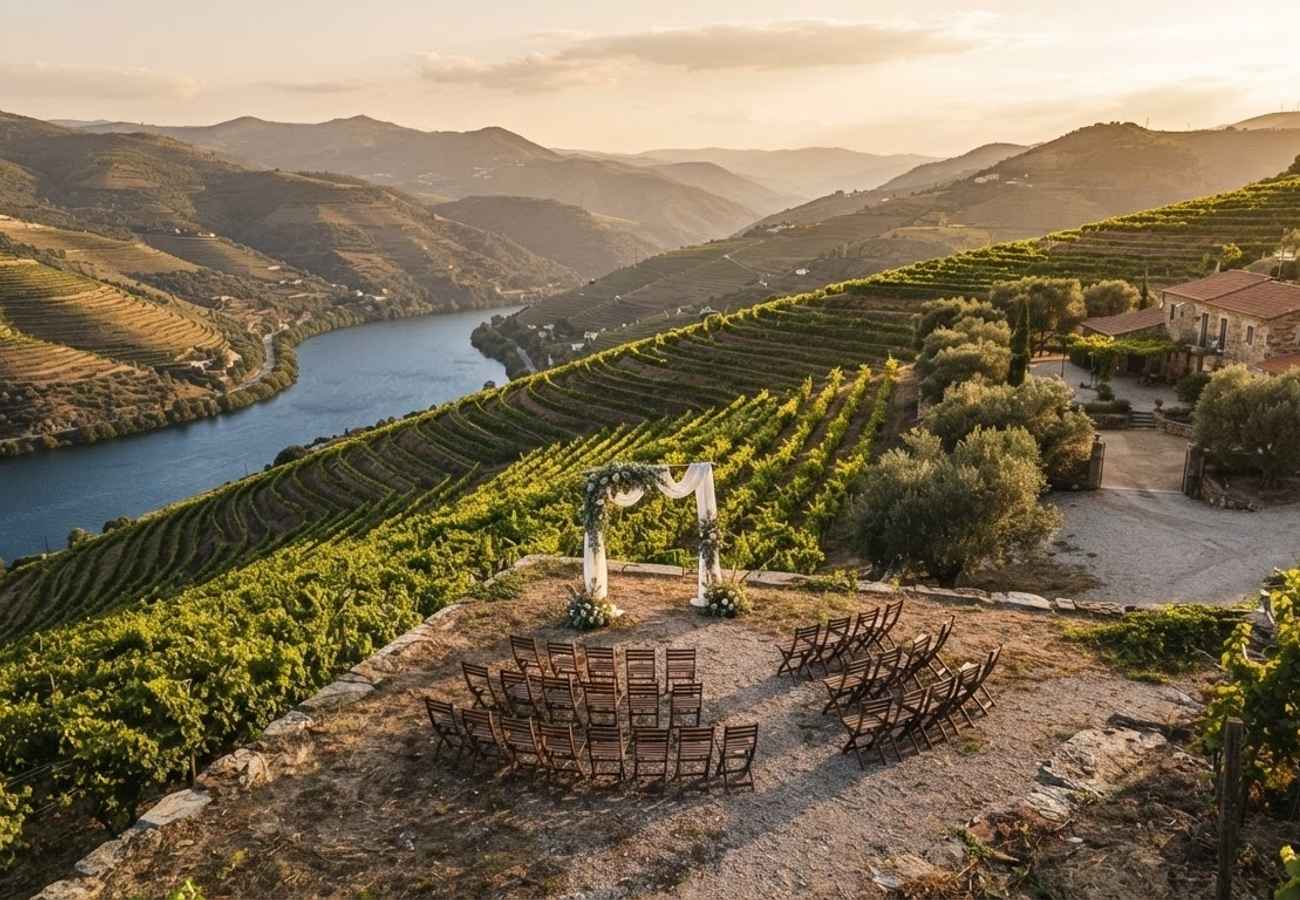
Image generated by AI
Rising travel costs and a shift toward meaningful, value-driven celebrations are pushing couples away from overpriced luxury hubs toward Europe's secondary cities and rural regions. These hidden gems offer the same architectural grandeur and scenic beauty as famous hotspots but with significantly more flexible pricing and authentic local charm.
The Shift Toward Value-Driven Romance
The era of the "prestige-at-any-cost" wedding is evolving. Modern couples are increasingly prioritizing experience over brand-name locations, leading to a surge in interest for regions that combine high-end hospitality with regional pricing. This trend is not about sacrificing quality; it is about strategic selection. By leveraging mature tourism networks in less commercialized areas, couples are accessing premium venues—from Atlantic cliffsides to Alpine lakes—without the "luxury tax" associated with cities like Paris or Venice.
Official tourism data indicates that the success of these emerging wedding hubs relies on established hospitality networks and international accessibility. When a region has a high volume of overnight stays and a diverse accommodation supply, it creates a competitive market among vendors, allowing couples to negotiate better packages and customize their celebrations.
Regional Spotlights: Where Luxury Meets Affordability
Portugal: Beyond the Mainstream
Portugal has emerged as a primary alternative for those seeking "cheap luxury." According to Turismo de Portugal, the country's diverse tourism products—spanning rural, coastal, and cultural experiences—provide a versatile backdrop for weddings.
While the Algarve remains a staple for beach celebrations, the Douro Valley is seeing a spike in vineyard weddings. For those seeking total seclusion, the Alentejo region offers a quiet, countryside atmosphere that maintains a sophisticated edge. The strength of Portugal lies in its ability to provide a high-end feel through its heritage architecture and world-class wine regions while keeping operational costs manageable.
Slovenia: The Alpine Fairytale
Slovenia is gaining traction as a sustainable and romantic alternative to the crowded Swiss or Italian Alps. Data from the Statistical Office of the Republic of Slovenia highlights the country's strong accommodation activity, which supports international event planning.
Lake Bled remains the crown jewel for fairytale aesthetics, but the region of Brda is becoming a favorite for vineyard enthusiasts. The primary draw here is geographical compactness; guests can transition from urban venues in Ljubljana to mountain retreats without grueling travel times, simplifying the logistics for international guest lists.
Croatia and Greece: Mediterranean Alternatives
In Croatia, the trend is moving away from the hyper-commercialized center of Dubrovnik toward Istria and the Zadar and Šibenik regions. The Croatian Bureau of Statistics notes a vast accommodation network that allows couples to pivot from luxury boutique hotels to traditional village estates.
Similarly, Greece is seeing a diversification of its wedding market. While Santorini and Mykonos dominate social media, the Peloponnese and Crete offer comparable coastal beauty and ancient heritage with greater price flexibility. The Greek government's push for regional tourism development has made these "second-tier" islands and mainland regions more accessible and equipped for large-scale events.
Spain and Central Europe: The Scale of Choice
Spain utilizes its massive tourism scale to offer variety. While Ibiza and Barcelona command premium rates, Andalusia and Galicia provide historic estates and coastal landscapes at a fraction of the cost. Eurostat statistics confirm that Spain's extensive international connectivity makes it one of the easiest "hidden" gems to coordinate for global guests.
Further east, Hungary and Romania are entering the conversation. Budapest offers a cultural urban vibe, while the Transylvanian landscapes of Romania provide a gothic, historic allure that is virtually unmatched in Western Europe.
Cultural & Environmental Value
For the visitor, the real impact of choosing these hidden gems is a deeper connection to the local community. Moving weddings away from "tourism bubbles" redirects capital into rural economies and family-run estates. Many of these venues—particularly in Slovenia and Portugal—are integrating eco-tourism practices, such as farm-to-table catering and carbon-offsetting for guest travel.
By opting for a vineyard in the Douro Valley or a village in Istria, couples are not just saving money; they are supporting the preservation of regional heritage sites and traditional crafts that might otherwise be overshadowed by mass tourism.
Visitor Insider Tips
To maximize value and authenticity when planning a wedding in these regions, consider these local insights:
- The "Shoulder Season" Window: Visit Portugal or Greece in May or September. You will secure the same Mediterranean weather but avoid the peak summer pricing and crowds.
- Local Dining Specialties: Instead of importing a standard "international" menu, integrate regional staples. In Slovenia, utilize local honey and alpine cheeses; in Portugal, focus on Alentejo-style slow-cooked meats and regional wines.
- Cultural Etiquette: In rural Spain and Italy, "Siesta" hours are real. When coordinating with local vendors in smaller towns, avoid scheduling critical meetings or deliveries between 2:00 PM and 5:00 PM.
- Hidden Spot: For those eyeing Croatia, look into the island of Vis. It is less frequented than Hvar but offers pristine beaches and a slower pace of life.
Tourism Outlook
The long-term impact of this trend is a more balanced distribution of tourism wealth across Europe. As couples continue to seek "information gain"—searching for unique, non-generic experiences—regional tourism boards are likely to invest more in specialized event infrastructure. This shift transforms these destinations from mere vacation spots into sophisticated event hubs, ensuring sustainable growth for local hospitality sectors.
Choosing a hidden gem isn't just a budget decision—it's a design choice for a more authentic legacy.
Related Travel Guides
Disclaimer
This article is for informational and educational purposes only. It does not constitute legal, financial, or professional advice. While we strive to provide accurate and up-to-date information, travel policies, regulations, and conditions change rapidly. Always verify information with official sources before making travel decisions. Nomad Lawyer makes no representations about the accuracy, reliability, completeness, or suitability of the information provided. Readers should consult qualified professionals for advice specific to their circumstances. The views expressed in this article are those of the author and do not necessarily reflect the views of Nomad Lawyer.
Preeti Gunjan
Contributor & Community Manager
A passionate traveller and community builder. Preeti helps grow the Nomad Lawyer community, fostering engagement and bringing the reader experience to life.
Learn more about our team →