
US Outbound Travel Hits Record 56 Million in 2026 as American Tourists Reshape European Tourism
Over 56 million US residents traveled overseas in the past year, driving a massive surge in European tourism across France, Greece, Italy, and Portugal.

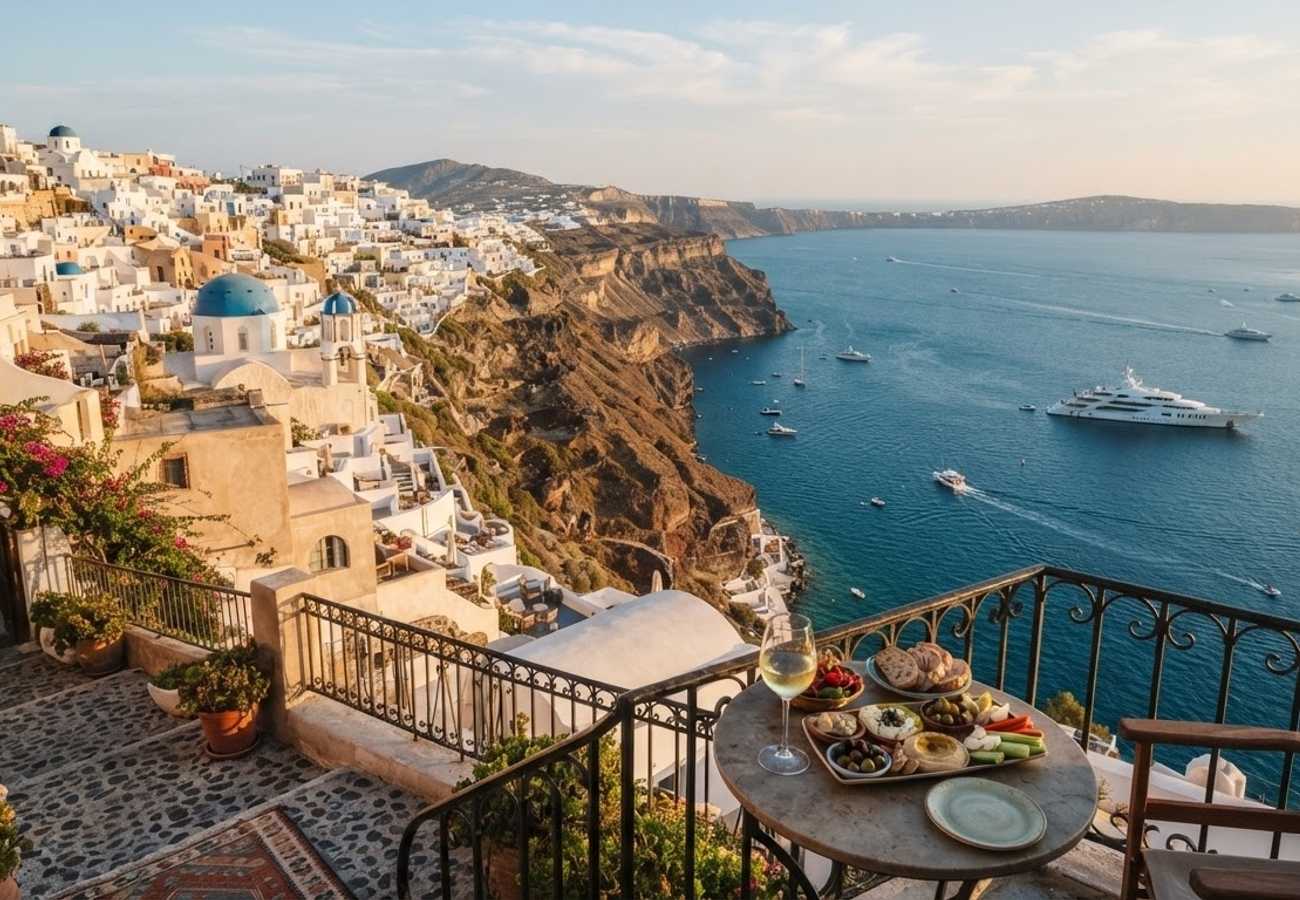
Image generated by AI
Over 56 million US residents traveled overseas in the past year, marking a historic surge in outbound tourism that is fundamentally altering the economic and operational landscape of European destinations.
The scale of American international travel has shifted from an occasional luxury to a primary lifestyle priority. According to data from the International Trade Administration, the volume of US citizens traveling abroad has climbed to 56 million, a significant increase from 53.7 million in 2024 and a stark jump from the 32.7 million recorded a decade ago.
This influx is not evenly distributed but is concentrated in high-spending corridors. Higher-income households are driving demand for premium accommodations and private tours, while Millennials and Gen Z are pivoting toward "slow travel," sustainable tourism, and authentic local interactions.
Regional Demand and Market Distribution
Europe remains the primary beneficiary of this trend, with approximately 24 million trips made by Americans to the continent in 2025. The demand has evolved from simple capital-city visits to complex, multi-destination itineraries.
US Visitor Volume and Destination Trends
| Destination | Primary US Driver | Key Growth Areas | Market Segment |
|---|---|---|---|
| France | Cultural Heritage | Provence, Bordeaux, Normandy | Luxury & Gastronomy |
| Greece | Mediterranean Lifestyle | Santorini, Mykonos, Crete, Corfu | History & Leisure |
| Portugal | Affordability & Lifestyle | Lisbon, Porto, The Algarve | Remote Work & Value |
| Italy | Art & Cuisine | Tuscany, Amalfi Coast, Sicily | Multi-generational |
Destination Analysis: The New American Corridors
France: Beyond the Capital
While Paris remains a cornerstone due to the Louvre and Eiffel Tower, American demand is diversifying. There is a measurable shift toward regional France, specifically Provence for landscapes and Bordeaux for viticulture. The luxury sector in France is seeing a disproportionate boost from US spending in high-end hotels and retail.
Greece: The Rapid Growth Hub
Greece has emerged as one of the fastest-growing markets. US travelers are increasingly opting for extended stays that blend the historical density of Athens with the leisure infrastructure of the islands. Food tourism—specifically authentic seafood and local markets—is now a primary motivator for US visitors.
Portugal: The Value and Lifestyle Play
Portugal is winning market share by offering a more affordable alternative to Western European neighbors. Beyond the historic appeal of Lisbon and Porto, the Algarve is seeing a surge in US outdoor activity tourism. Notably, Portugal has become a hub for Americans interested in remote work and extended residency.
Italy: The Consistent Performer
Italy maintains its status as a top-tier destination through a combination of Renaissance art in Florence, the canal networks of Venice, and the culinary draw of Tuscany. The "return visitor" rate is highest here, as Americans frequently return to explore different regions like Sardinia or Sicily.
Traveler Logistics Guide: Navigating the 2026 Surge
From a ground-level perspective, the best way to navigate the current European surge is to avoid the "Golden Triangle" (London-Paris-Rome) during peak July and August windows. The increase in US volume has led to severe congestion at major landmarks.
Booking Connections and Layovers With 24 million US visitors, transatlantic hubs are operating at near-capacity. When booking multi-city flights (e.g., arriving in Lisbon and departing from Athens), ensure a minimum layover of 4 hours if changing terminals or airlines. Use digital transit tools like the ETIAS (European Travel Information and Authorisation System) well in advance to avoid boarding delays.
Navigating Customs and Digital Policies For those pursuing the "slow travel" trend in Portugal or Italy, ensure your digital nomad visas or long-stay permits are processed through official national portals. To bypass queues at major French and Italian museums, pre-booked timed-entry tickets are no longer optional—they are mandatory for avoiding 3-hour wait times.
Optimal Route Planning To maximize the experience, utilize the high-speed rail networks (such as the TGV in France or the Frecciarossa in Italy) rather than short-haul flights. This reduces transit stress and aligns with the sustainable tourism preferences seen in Gen Z and Millennial cohorts.
Infrastructure Impact Assessment
The surge in US tourism is forcing a reallocation of resources across European hospitality. We are seeing a rapid increase in the development of "boutique" luxury offerings in secondary cities to accommodate the shift away from capitals.
Economically, the high spending power of the 56 million outbound US travelers is providing a critical hedge for European economies against regional volatility. However, this puts immense pressure on local infrastructure, particularly in Greece and Portugal, where "overtourism" in specific hubs like Santorini or Lisbon is prompting local governments to consider visitor caps or tourist taxes.
The shift in American travel behavior from sightseeing to "experience-seeking" is permanently redefining the European hospitality model.
Related Travel Guides
Disclaimer
This article is for informational and educational purposes only. It does not constitute legal, financial, or professional advice. While we strive to provide accurate and up-to-date information, travel policies, regulations, and conditions change rapidly. Always verify information with official sources before making travel decisions. Nomad Lawyer makes no representations about the accuracy, reliability, completeness, or suitability of the information provided. Readers should consult qualified professionals for advice specific to their circumstances. The views expressed in this article are those of the author and do not necessarily reflect the views of Nomad Lawyer.
Raushan Kumar
Founder & Lead Developer
Full-stack developer with 11+ years of experience and a passionate traveller. Raushan built Nomad Lawyer from the ground up with a vision to create the best travel and law experience on the web.
Learn more about our team →