
Europe Cruise Industry Pivot to Astrotourism: Mobile Skywatching Platforms for 2026 Celestial Events
European cruise operators are transforming vessels into mobile astronomical observation platforms to capitalize on rare 2026 celestial events and the rising demand for experience-based travel.

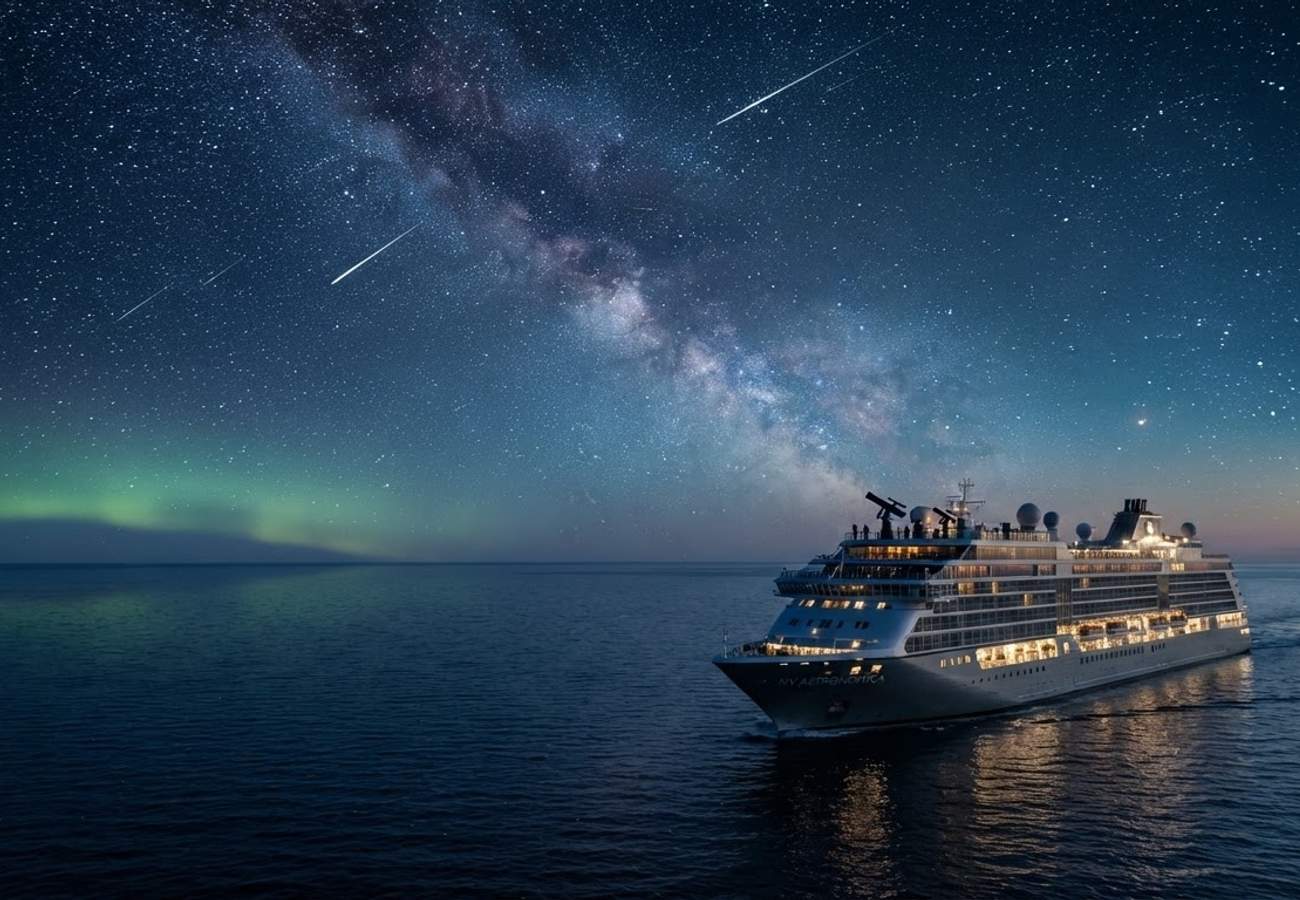
Image generated by AI
European cruise operators are aggressively pivoting toward "astrotourism," converting luxury vessels into mobile observation platforms to track rare 2026 celestial events. This shift marks a departure from traditional sightseeing toward high-value, science-based experiential travel.
The Evolution of European Cruise Tourism
The European cruise sector is undergoing a structural shift in passenger demand. Analysis indicates that travelers are moving away from standardized luxury and entertainment packages in favor of journeys centered on rare natural phenomena, scientific discovery, and cultural immersion.
This transition has positioned the cruise ship not merely as a transport vessel, but as a strategic tool for astronomical observation. By utilizing the mobility of ships, operators can navigate toward coordinates with optimal visibility, open sea horizons, and minimal light pollution—conditions that are increasingly difficult to find in land-based European tourist hubs.
Strategic Advantages of Mobile Observation Platforms
Our analysis of current maritime trends shows that cruise ships provide three distinct advantages for the growing astrotourism market:
- Dynamic Routing: Unlike land-based observatories, vessels can alter course in real-time based on meteorological data and visibility forecasts to ensure passengers are in the optimal position for an event.
- Light Pollution Mitigation: By moving into open waters, ships bypass the "sky glow" of urban centers, providing the dark-sky conditions necessary for viewing meteor showers and planetary alignments.
- Integrated Infrastructure: Modern vessels are being adapted to include professional-grade telescope installations on upper decks and educational seminar spaces for expert-led lectures.
Impact on European Maritime Hubs and Routes
The integration of astronomy into cruise itineraries is impacting several key regions across the continent:
- Northern Europe: Leveraging existing dark-sky corridors to target seasonal astronomical displays and the Aurora Borealis.
- Mediterranean Basin: Combining traditional cultural port visits with evening celestial observation programs.
- Atlantic Coastal Routes: Utilizing the vast, unobstructed horizons of the Atlantic for deep-sky observation.
This trend aligns with data from the United Nations World Tourism Organization (UN Tourism), which highlights a global increase in nature-based and authentic experience-seeking behavior.
Passenger Rights and Advisory for Specialized Cruises
For passengers booking these specialized "event-based" cruises, the legal and contractual landscape differs from standard leisure cruises. Because these itineraries are often dependent on weather and celestial timing, passengers should be aware of the following:
Route Alterations and Contractual Obligations For the affected passenger, a "celestial event" cruise often includes clauses allowing the operator to deviate from the planned itinerary to seek better viewing conditions. Our analysis suggests that passengers should verify if such deviations constitute a "significant change" under their travel contract, which may trigger rights to partial refunds or credits if a primary destination is skipped.
Insurance and Event Failure If a cruise is marketed specifically for a rare event (e.g., a specific meteor shower) and the event is obscured by weather, standard cruise contracts typically do not offer refunds for "acts of God." Passengers are strongly advised to secure "Cancel for Any Reason" (CFAR) insurance to mitigate the financial risk of poor visibility.
Accessibility and Onboard Safety Specialized skywatching often involves late-night activity on upper decks. Passengers with mobility issues should request specific accessibility audits for observation areas to ensure safety during night-time events.
Industry Analyst View: The Economic Shift
The rise of astrotourism is a critical component of the broader recovery of the European cruise sector following the pandemic. By diversifying the product offering, cruise lines are reducing their reliance on traditional port-hopping and creating a new revenue stream based on "educational luxury."
This shift supports a wider network of resources, including partnerships with science organizations and professional astronomers, effectively turning the cruise industry into a bridge between mainstream tourism and scientific education.
The era of the passive passenger is ending; the era of the explorer-passenger has arrived.
Related Travel Guides
Disclaimer
This article is for informational and educational purposes only. It does not constitute legal, financial, or professional advice. While we strive to provide accurate and up-to-date information, travel policies, regulations, and conditions change rapidly. Always verify information with official sources before making travel decisions. Nomad Lawyer makes no representations about the accuracy, reliability, completeness, or suitability of the information provided. Readers should consult qualified professionals for advice specific to their circumstances. The views expressed in this article are those of the author and do not necessarily reflect the views of Nomad Lawyer.
Raushan Kumar
Founder & Lead Developer
Full-stack developer with 11+ years of experience and a passionate traveller. Raushan built Nomad Lawyer from the ground up with a vision to create the best travel and law experience on the web.
Learn more about our team →