
European Cities Pivot to Shoulder Season Strategy for 2026 Autumn Surge
Analysis of the 2026 European autumn travel surge. Explore how Gothenburg, Copenhagen, Paris, Munich, and Florence are redefining shoulder season tourism.

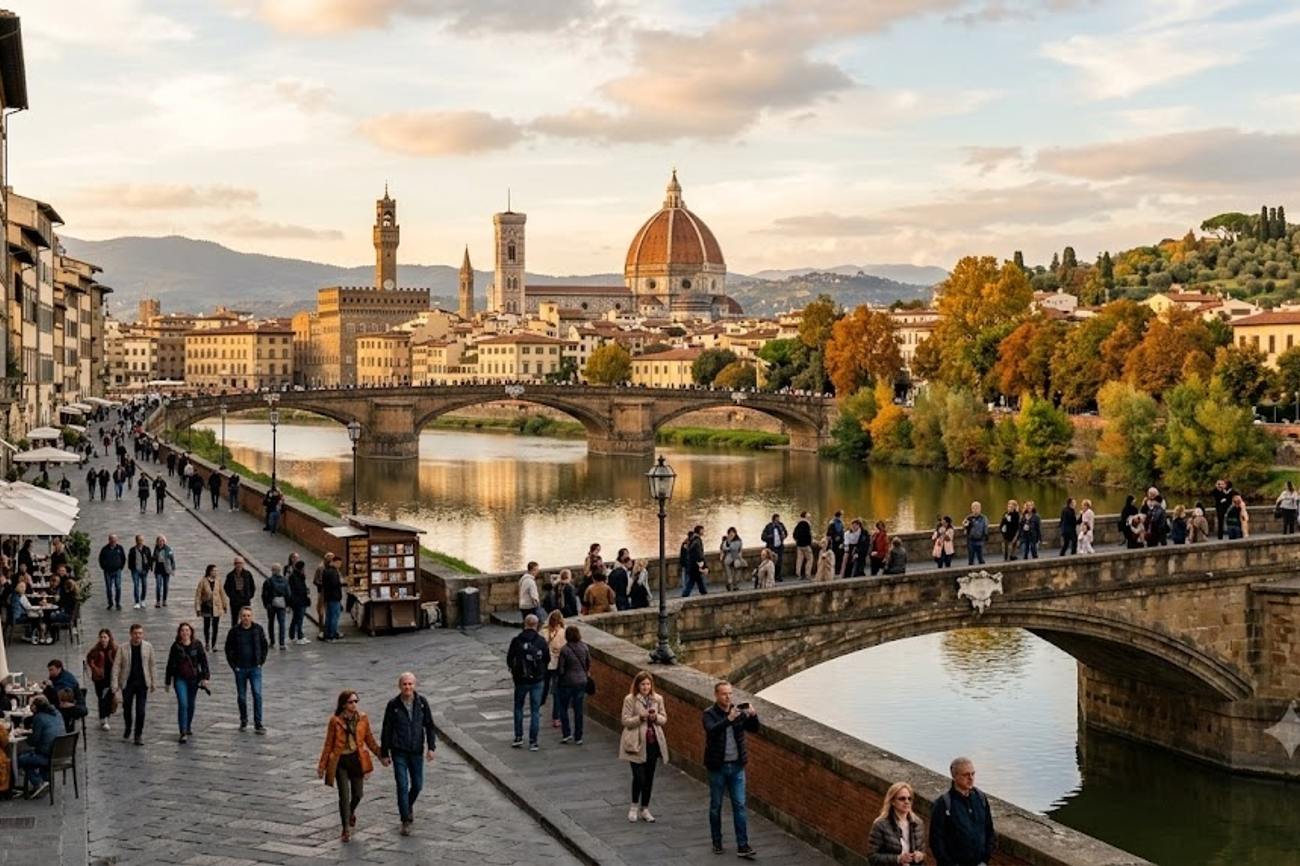
Image generated by AI
European Cities Pivot to Shoulder Season Strategy for 2026 Autumn Surge
European travel is shifting toward the shoulder season as five major cities leverage cultural events and seasonal gastronomy to attract visitors in September, October, and November.
The Core Development
A strategic shift in European tourism is underway for 2026. Travelers are increasingly bypassing the peak summer heat and crowds in favor of the "shoulder season." This trend is driven by a demand for lower travel stress, cooler climates, and authentic cultural engagement.
Five primary hubs—Gothenburg, Copenhagen, Paris, Munich, and Florence—have developed specific seasonal identities to capture this market, focusing on harvest festivals, culinary milestones, and niche cultural events.
Key Facts Breakdown
- Gothenburg, Sweden:
- Hummerpremiären: The lobster season officially opens the first Monday after September 20.
- Cinnamon Bun Day: Observed on October 4, centered in the historic Haga district.
- Gothenburg Book Fair: Attracts over 90,000 visitors annually.
- Key Attractions: Liseberg Halloween programming and the car-free southern archipelago.
- Copenhagen, Denmark:
- Kulturnatten (Culture Night): An October event opening 200+ museums, churches, and private venues.
- Seasonal Focus: Integration of "hygge" (comfort/warmth) and autumn displays at Tivoli Gardens.
- Paris, France:
- Fête des Vendanges de Montmartre: A harvest festival centered around the Clos Montmartre vineyard.
- Munich, Germany:
- Primary Draw: Oktoberfest and traditional Bavarian markets.
- Florence, Italy:
- Primary Draw: Tuscany harvest and seasonal gastronomy.
Data Table: Autumn Tourism Transformation 2026
| Destination | Country | Main Autumn Attraction | Best Travel Experience |
|---|---|---|---|
| Gothenburg | Sweden | Seafood season & cultural events | Coastal escapes & Nordic food |
| Copenhagen | Denmark | Culture Night & autumn hygge | Design, museums & city walks |
| Paris | France | Harvest festivals & cultural season | Art, fashion & neighborhood exploration |
| Munich | Germany | Oktoberfest & Bavarian traditions | Festivals, markets & landscapes |
| Florence | Italy | Tuscany harvest & culinary tourism | Renaissance culture & gastronomy |
Why This Matters
From a logistical perspective, this shift represents a critical move toward tourism load balancing. By incentivizing travel in September through November, these cities reduce the infrastructure strain seen in July and August.
For the traveler, the real impact is a transition from "sightseeing" to "experiencing." The focus has moved from ticking off monuments to participating in time-sensitive events—such as the specific Monday opening of the lobster season in Gothenburg or the limited-window harvest in Montmartre. Our analysis suggests that the "shoulder season" is no longer a budget alternative but a premium choice for high-value travelers seeking exclusivity and authenticity.
Industry Outlook
Expect a continued rise in "event-based" tourism packages. We anticipate more European cities will introduce dedicated "cultural passes" similar to Copenhagen’s Culture Night model to streamline visitor flow. Additionally, the success of the Gothenburg Book Fair and Munich's Oktoberfest indicates that large-scale, niche-interest events will become the primary drivers for hotel occupancy during the traditional off-peak months.
Internal Link Suggestions:
- Guide to Nordic Culinary Trends 2026
- Managing Overtourism in European Capitals
- The Rise of Gastronomy-Driven Travel in Italy
Related Travel Guides
Disclaimer
This article is for informational and educational purposes only. It does not constitute legal, financial, or professional advice. While we strive to provide accurate and up-to-date information, travel policies, regulations, and conditions change rapidly. Always verify information with official sources before making travel decisions. Nomad Lawyer makes no representations about the accuracy, reliability, completeness, or suitability of the information provided. Readers should consult qualified professionals for advice specific to their circumstances. The views expressed in this article are those of the author and do not necessarily reflect the views of Nomad Lawyer.
Preeti Gunjan
Contributor & Community Manager
A passionate traveller and community builder. Preeti helps grow the Nomad Lawyer community, fostering engagement and bringing the reader experience to life.
Learn more about our team →