
Eurofighter Typhoon vs F-15, F-16, F/A-18: 2026 Fighter Jet Showdown
Western air forces extend Eurofighter Typhoon and legacy fighter jet lifespans through 2026 with advanced upgrades, reshaping global military aviation strategy and impacting airspace security across travel routes.

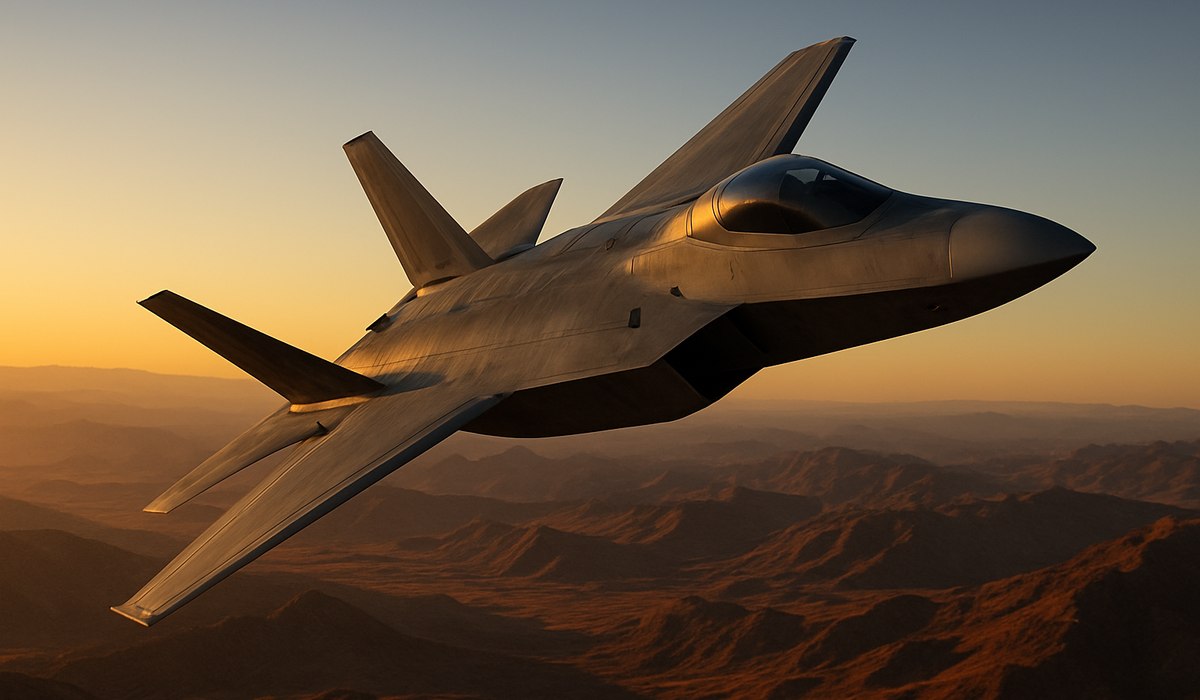
Image generated by AI
Legacy Fighter Jets Define 2026 Military Aviation Landscape
The Eurofighter Typhoon and its American counterparts—the F-15, F-16, and F/A-18—remain workhorses of Western air forces in 2026, decades after their initial deployments. Rather than retirement, these aircraft are receiving comprehensive upgrades with cutting-edge sensor technology, extended service contracts, and expanded operational roles. From Baltic air policing missions to Red Sea strike operations, these aging platforms now execute tasks their original designers never anticipated, fundamentally reshaping military aviation strategy through the remainder of this decade.
Eurofighter Typhoon Capabilities in 2026
The Eurofighter Typhoon has evolved significantly since joining the Royal Air Force over two decades ago. This European-built multirole fighter now operates with integrated avionics packages, advanced radar systems, and expanded weapons compatibility that rivals newer platforms. The 2026 variant supports beyond-visual-range air combat, ground attack missions, and electronic warfare operations across multiple theater environments.
Recent upgrades include enhanced sensor fusion capabilities and improved cockpit displays that streamline pilot decision-making. The aircraft's operational ceiling exceeds 55,000 feet, and its maximum speed reaches Mach 2 under optimal conditions. With a service ceiling allowing operations over challenging terrain, the Eurofighter Typhoon maintains strategic value for NATO operations spanning European airspace and extended Mediterranean deployments. Visit the RAF official website for current deployment information affecting European airspace.
How F-15, F-16, and F/A-18 Compare
The American fighter fleet represents diverse mission capabilities within Western air forces. The F-15, now in its Eagle and Strike Eagle variants, functions as a heavy air superiority platform with unmatched range and payload capacity. The F-16, originally designed as a lightweight air combat fighter, has transformed into a versatile multirole aircraft operating across multiple international air forces.
The F/A-18 Super Hornet bridges fighter and attack roles with carrier-based flexibility, making it essential for naval aviation operations worldwide. Each platform has undergone structural modernization, software upgrades, and sensor enhancements through 2026. The F-15 operates with conformal fuel tanks extending endurance, the F-16 utilizes advanced AESA radar systems, and the F/A-18 maintains integration with carrier strike group operations. Military Aviation Daily provides comprehensive coverage of these fleet developments.
Modern Upgrades Extending Aircraft Lifespan
Aircraft lifecycle extensions represent significant strategic shifts in Western military planning. Rather than retiring platforms after planned service lives, air forces implement phased upgrade packages that introduce contemporary avionics, extended fatigue life, and enhanced structural integrity. These programs cost substantially less than procuring entirely new aircraft while maintaining operational relevance.
The Eurofighter Typhoon benefits from incremental software releases, radar performance improvements, and compatibility upgrades for emerging weapon systems. F-15 variants receive conformal fuel tank systems and Open Mission Systems architecture enabling rapid capability updates. F-16 modernization packages include AESA radar installation, cockpit glass upgrades, and improved landing gear systems. Each upgrade cycle extends operational service life by five to ten years, fundamentally altering military aviation economics. Defense procurement specialists estimate these programs will sustain current fighter fleets through 2035.
Strategic Deployment Across Global Theaters
Modern fighter jets operate across diverse geographic regions, affecting international airspace management and traveler awareness. The Eurofighter Typhoon maintains permanent stations in Poland supporting NATO's Eastern flank, rotates through the Red Sea for anti-shipping and maritime patrol missions, and participates in multinational exercises across Northern Europe. F-15 variants operate from bases across the Middle East, supporting regional stability operations and protecting critical shipping corridors.
F-16 platforms deploy globally through bilateral military partnerships, with particular concentration across Eastern Europe, the Arabian Peninsula, and the Mediterranean. F/A-18 Super Hornets operate from carrier strike groups traversing the Indo-Pacific, supporting freedom of navigation operations and alliance commitments. These deployments create dynamic airspace restrictions, temporary military exercises, and operational security measures that occasionally impact commercial aviation routing. Understanding these patterns helps travelers anticipate potential flight delays or routing changes during peak deployment periods.
Fighter Jet Comparison Data Table
| Platform | Service Entry | Max Speed | Service Ceiling | Primary Role | 2026 Status |
|---|---|---|---|---|---|
| Eurofighter Typhoon | 1994 | Mach 2.0 | 55,000 ft | Multirole Fighter | Extended Service Life |
| F-15 Strike Eagle | 1976 | Mach 2.5 | 65,000 ft | Air Superiority/Strike | Fleet Modernization |
| F-16 Fighting Falcon | 1978 | Mach 2.0 | 50,000 ft | Lightweight Multirole | Continuous Upgrades |
| F/A-18 Super Hornet | 1995 | Mach 1.6+ | 50,000 ft | Carrier-Based Multirole | Enhanced Avionics |
| RAF Eurofighter Typhoon | 2003 (RAF) | Mach 2.0 | 55,000 ft | NATO Operations | Extended Lifespan |
| Global F-16 Fleet | 1978+ | Mach 2.0 | 50,000 ft | 25+ Nations | Ongoing Modernization |
What This Means for Travelers
Extended fighter aircraft deployment cycles and modernization programs create tangible impacts on commercial aviation operations:
-
Expect occasional airspace restrictions during military exercises. NATO training operations across Central and Eastern Europe periodically create temporary flight corridors. Check flight status updates 24 hours before departure when traveling through Germany, Poland, or the Baltic states during exercise periods.
-
Monitor airport closures near military bases. Airports adjacent to fighter jet stations occasionally implement temporary closures during major exercises. Rerouting can add 30-60 minutes to journey times. Verify runway status through your airline when booking flights near major military installations.
-
Plan for potential routing changes. Commercial flights may receive alternative routing during military operations. Transcontinental flights crossing Eastern European airspace sometimes add 20-40 minutes of flight time. Factor flexibility into tight connection schedules.
-
Allow extra time for security screening. Enhanced military operations increase security protocols at civilian airports near major airfields. International departures may require additional screening time during heightened alert periods.
-
Track regional stability for itinerary confidence. Understanding fighter jet deployment cycles helps predict tourism patterns. Peak military exercise seasons correlate with potential hotel and attraction availability changes in affected regions.
FAQ
Q: How do Eurofighter Typhoon and F-16 capabilities compare for modern air combat? A: The Eurofighter Typhoon provides superior maneuverability and advanced avionics, while the F-16 offers proven reliability and cost-effectiveness across 25+ international operators. Both platforms receive continuous modernization, maintaining comparable operational effectiveness through 2026. Neither platform demonstrates decisive advantage in current combat scenarios.
Q: Will fighter jet deployment changes affect my commercial flight routes? A: Military operations occasionally create temporary airspace restrictions affecting commercial routing. European flights may experience 15-30 minute routing adjustments during NATO exercises. Airlines provide advance notification through flight status systems, so verify booking details before departure.
Q: How long will Western air forces continue operating F-15, F-16, and F/A-18 platforms? A: Current modernization programs extend service lives through the 2030s for most variants. The F-15
Disclaimer
This article is for informational and educational purposes only. It does not constitute legal, financial, or professional advice. While we strive to provide accurate and up-to-date information, travel policies, regulations, and conditions change rapidly. Always verify information with official sources before making travel decisions. Nomad Lawyer makes no representations about the accuracy, reliability, completeness, or suitability of the information provided. Readers should consult qualified professionals for advice specific to their circumstances. The views expressed in this article are those of the author and do not necessarily reflect the views of Nomad Lawyer.
Preeti Gunjan
Contributor & Community Manager
A passionate traveller and community builder. Preeti helps grow the Nomad Lawyer community, fostering engagement and bringing the reader experience to life.
Learn more about our team →